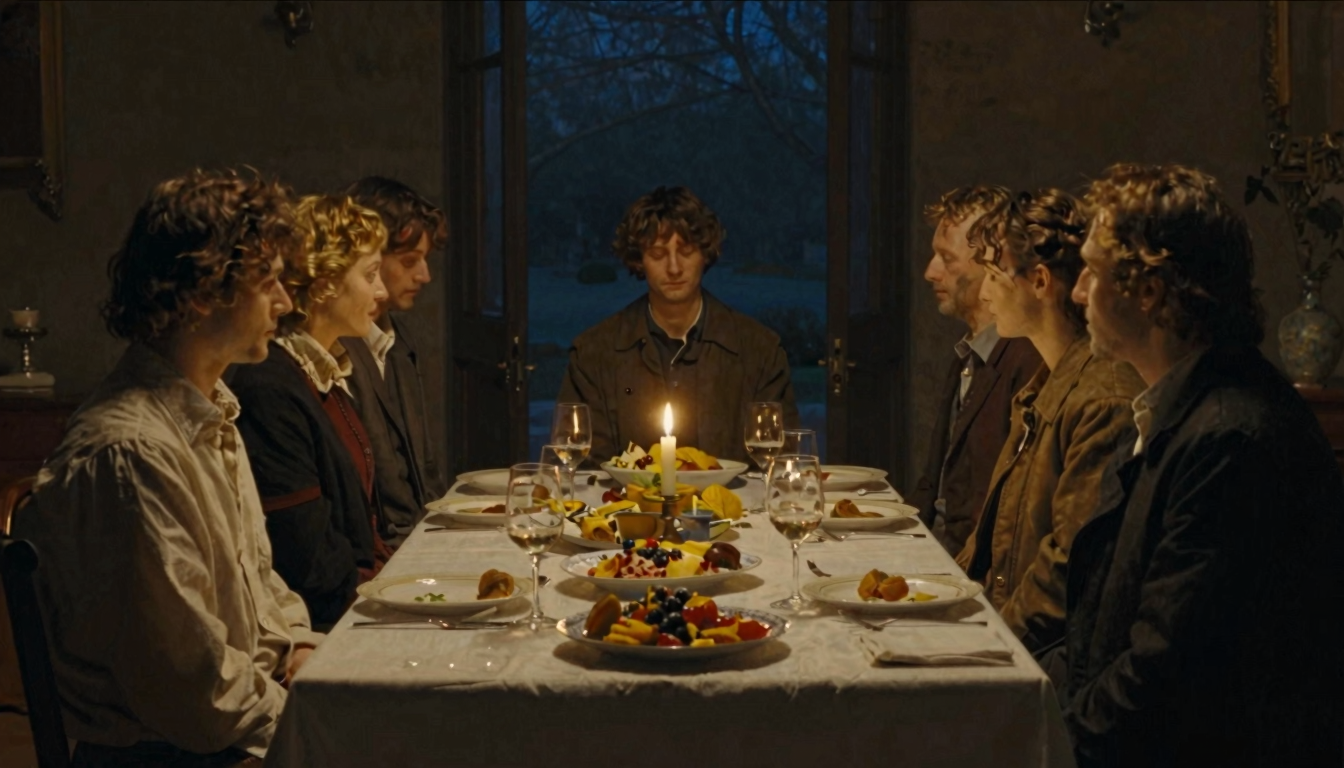
Summary
A feast can symbolize shared provision; when nobody speaks, the dream may point to withheld words, ritual restraint, or uncertain belonging.
At a glance
A silent feast may suggest shared abundance held behind withheld words, ritual reserve, or uncertain belonging; compare the atmosphere and your role before taking a practical step.
Distinguishes silence, participation, atmosphere, and timing in feast symbolism.
Name the feeling, compare a lively feast, identify the unspoken matter, and take one proportionate real-world step.
What the common feast-dream questions are asking
Dreams about a feast often raise the question of whether abundance is available to the dreamer. A table full of food can be an image of support, opportunity, or shared responsibility. If the dream about the feast felt warm and voices flowed, the emphasis may be fellowship and participation. If everyone ate in silence, the same abundance can feel guarded: something is present, but its meaning is not being spoken.
When readers ask for the dream about feast meaning, the useful distinction is between the object and the relationship around it. The feast supplies the symbolic setting; the silence supplies the tension. A feast dream can therefore suggest a season of gathering, while a silent feast can suggest that a decision, apology, invitation, or expectation remains unexpressed.
The short query dream about feast points to the same broad symbol. Its reading may lean auspicious when the dreamer feels nourished, included, and able to receive. It may lean cautionary when plates are untouched, faces are closed, or the dreamer is waiting for permission to speak. These are traditional tendencies, not guaranteed outcomes.
Why silence changes the symbol
In folk interpretation, speech animates a gathering. Conversation confirms kinship, agreement, bargaining, or celebration. Silence can be protective and reverent, but it can also mark distance. At a feast, this contrast often makes the dream about an unspoken agreement: people are together physically while their intentions remain hidden.
Notice who is silent. If everyone is silent, the dream may reflect a group transition or shared restraint. If only you cannot speak, the image may center on your position, respect, fear, or uncertainty about your right to participate. If one important person refuses to answer, the feast may symbolize resources or recognition that seem dependent on that person's decision.
Notice the food's condition. Fresh, plentiful food can keep the reading oriented toward provision and possibility even when the room is quiet. Cold, spoiled, or unreachable food may add a caution about timing, neglect, or an offer that is not ready to receive. The food does not automatically predict money, marriage, or health. It gives the silence a material setting.
Spiritual meaning of feast in a dream
The spiritual meaning of feast in a dream is interpreted differently across cultures. Some traditions treat a feast as fellowship, blessing, ancestral memory, or a rite of passage. A quiet table can then suggest contemplation, respect for the unseen, or a period in which a person is being asked to listen before acting. Other folk readings treat unexplained silence as a warning to examine hidden resentment or promises that have not been kept.
These readings should remain conditional. The dream may invite prayer, reflection, or a respectful conversation if those practices belong to your life, but it does not establish a religious ruling or announce a supernatural event. The most reliable clue is the emotional aftertaste: peace can support a reading of solemn preparation; dread can signal a boundary that deserves attention; embarrassment can point to belonging and voice.
How the dream shifts across ordinary life
In family life A silent feast may appear when relatives are gathering around a decision that nobody wants to name. If the dreamer sits at the table, one next step is to ask a calm, specific question rather than interpret every pause as rejection.
With money A lavish but wordless meal can symbolize an offer, promotion, or financial possibility whose terms are unclear. Write down what is actually promised, what is assumed, and what still needs to be negotiated before accepting.
In relationships When a partner or friend is present but silent, the feast may mirror closeness without emotional access. A direct conversation about one concrete need is more useful than testing the other person's feelings through hints.
For health and energy The table may represent recognition or a shared project. Silence can reflect waiting for feedback or fearing that your contribution will not be noticed. Request a defined review point and keep working on the part you can control.
At home A quiet feast can mark a reflective threshold. Set aside a short period for prayer, journaling, or observing the feeling without turning it into a fixed prediction.
A modern example
Maya dreamed that she sat at a long table covered with warm food while her relatives looked toward an empty chair. Nobody spoke, yet no one asked her to leave. She had been waiting for her family to discuss a move that would affect her work. She read the silence as a sign of exclusion, then noticed that the dream's strongest detail was the empty chair and her continued place at the table. The next day she asked one relative what decision was actually being considered and requested a time for a family discussion. The conversation revealed uncertainty rather than a final rejection, and she made a work plan that left room for either outcome.
The ordinary result matters: the dream did not predict the decision. It helped her separate a felt absence of communication from the facts she could confirm.
A simple way to judge the difference
First, name the dominant feeling before assigning a symbol. Second, compare the silent feast with a similar dream in which people speak: what changed in your access, role, or confidence? Third, list the real-life matter that is abundant in appearance but unclear in terms. Finally, take one proportionate step—ask, verify, prepare, or wait—without treating the dream as proof.
A feast where nobody speaks can therefore carry a more inward and conditional meaning than a lively feast. It may suggest provision held behind restraint, belonging that needs confirmation, or a transition asking for patience. Let the atmosphere guide the question, and let waking evidence guide the decision.
Frequently asked questions
What do dreams about a feast usually mean?
Dreams about a feast may symbolize provision, reunion, recognition, or a shared transition. The feeling and your place at the table change the emphasis.
What is the dream about feast meaning when everyone is silent?
Silence may suggest withheld words, formal restraint, unresolved tension, or a period of listening. It does not guarantee a negative event.
What does a dream about feast point to if the food is plentiful?
Plentiful food can preserve an auspicious sense of support or possibility, while the silence suggests that access, agreement, or appreciation is not yet expressed.
What is the spiritual meaning of feast in a dream?
Some traditions read a feast as fellowship or blessing and a quiet table as contemplation or a call to listen. These are conditional spiritual readings, not religious rulings.