Summary
Dreaming about a turkey may symbolize provision, gathering, pride, or the wish to make enough available for others. A live bird differs from turkey being prepared, served, or eaten. These are conditional symbolic readings, not promises of abundance or warnings of certain conflict. Notice whether the scene concerns display, nourishment, preparation, or an encounter that has become intrusive.
At a glance
Dreaming about a turkey may symbolize provision, gathering, pride, or the wish to make enough available for others. A live bird differs from turkey being prepared, served, or eaten. These are conditional symbolic readings, not promises of abundance or warnings of certain conflict. Notice whether the scene concerns display, nourishment, preparation, or an encounter that has become intrusive.
Distinguishes readiness from reception and bird imagery from country plant vulture and media names.
Record form action setting role reception; make one offering usable.
A turkey can bring two kinds of visibility into a dream: the living bird's presence and the meal around which people gather. One may emphasize being noticed; the other may emphasize offering and receiving. The useful question is what the attention or provision is doing within the actual scene.
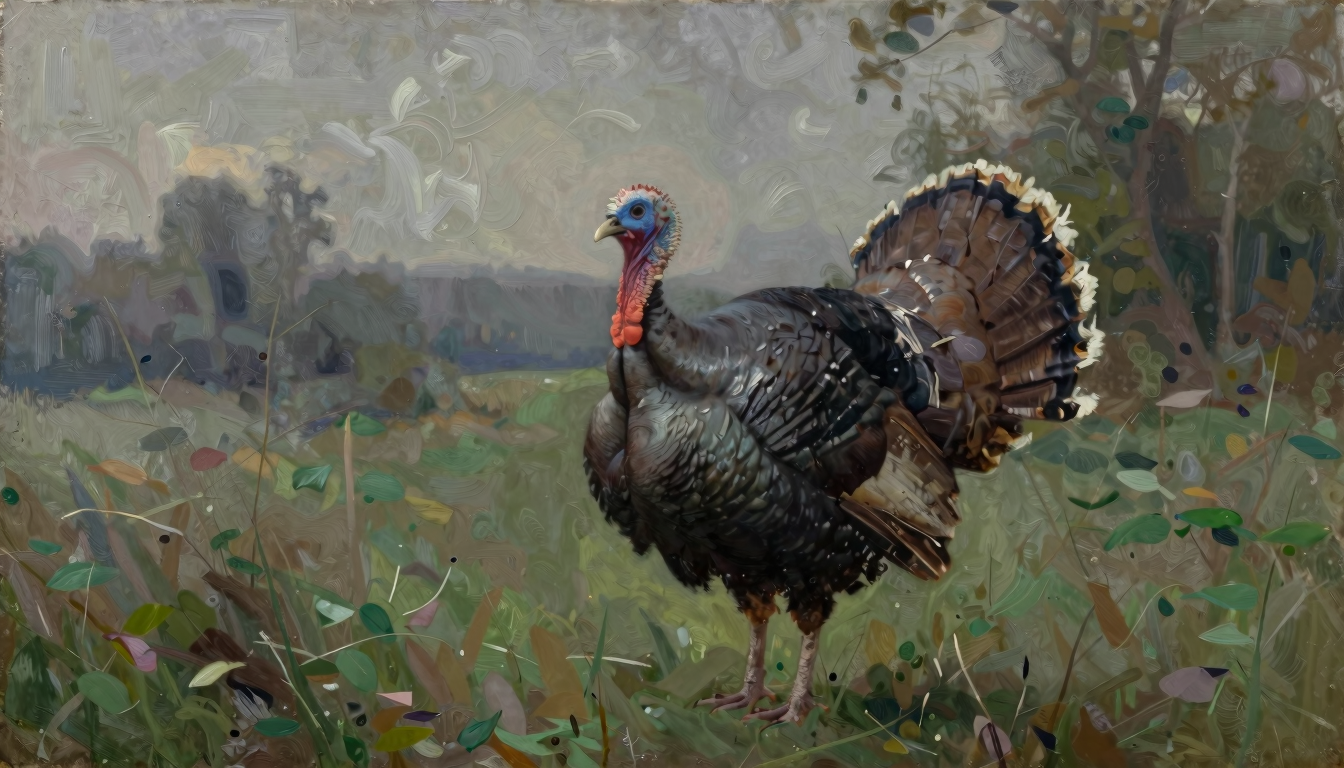
A live or wild turkey
A live turkey may symbolize confident presence, ordinary vitality, or a need that has not yet become an offering. If it moves calmly, the image may evoke something substantial that can exist without being immediately used or displayed.
A wild turkey can suggest independence, unfamiliar company, or provision outside a planned setting. Watching it at a distance differs from trying to capture or direct it. The dream may concern whether you can appreciate something without needing to control its place in your life.
A bird displaying itself may evoke pride, invitation, or concern about how others see you. Display is not necessarily vanity. Consider whether being visible serves connection or whether it makes every interaction feel like a performance.
A turkey chasing or attacking you
Being chased by a turkey may symbolize a seemingly manageable demand that keeps following you. A small social obligation, an expectation to host, or a need for recognition can feel much larger when it will not leave room for other concerns.
A chase differs from an attack. Pursuit may emphasize anticipation and avoidance, while an attacking turkey may symbolize contact with a boundary you feel has been crossed. Remember whether the animal actually strikes, blocks movement, or merely approaches.
The comic or surprising quality of the animal can matter. You may feel embarrassed that something ordinary frightens you. That does not make the concern meaningless, but it also does not establish another person's hostile intentions.
If you find a door, distance, or a calmer way past the bird, the ending may suggest proportion and limits. The dream can invite a more precise response to a recurring demand without turning it into an enemy.
A turkey in the house
A turkey in the house may bring provision, display, or gathering into private life. A welcome animal in a roomy place differs from one occupying the kitchen or preventing anyone from moving comfortably.
The scene may concern how hospitality enters your routines. A house can make room for others, but an invitation that occupies every corner may feel difficult to maintain. Notice whether the bird is cared for, contained, or simply allowed to take over.
If the scene feels warm, the turkey may evoke shared resources and company. If it feels crowded, the image may emphasize expectations that have entered a space usually reserved for rest. The setting helps distinguish generosity from a loss of usable room.
Raw frozen cooked and cooking turkey
Raw turkey may symbolize provision that is available but not ready to be received. The dream may focus on preparation, timing, or a task that needs more attention before it can serve its purpose. Rawness does not establish a warning about illness.
Frozen turkey adds delay or preservation. Something may be held for later, protected from immediate use, or difficult to work with at the present moment. The symbolic distinction is between waiting that serves a plan and postponement with no clear next step.
Cooking a turkey may emphasize the work of turning resources into a shared experience. If preparation proceeds steadily, it can evoke care and readiness. If the task expands endlessly, it may resemble the wish to make an offering perfect before anyone can enjoy it.
Cooked turkey may symbolize readiness, completion, or something now available to share. A prepared meal nobody touches differs from one received with ease. The meaning may rest in whether the work has reached its purpose, not simply whether it looks finished.
Eating turkey meat or a sandwich
Turkey meat may shift attention from a living creature to usable provision. It can symbolize resources divided into portions, the practical value of an effort, or what remains available after a larger event.
Eating turkey may symbolize receiving nourishment, joining a gathering, or accepting what someone has prepared. Pleasure can suggest ease in receiving; discomfort may concern pressure, excess, or an offering that does not suit you.
Eating a turkey sandwich may make the symbolism more ordinary and personal. A large occasion has become a manageable meal, or something substantial is being used in a simpler way. It may suggest making good use of what is already available instead of creating another elaborate event.
The useful distinction is whether eating feels chosen and sufficient. The dream does not forecast a feast or require you to accept every invitation. Receiving can be meaningful when it allows a real need to be met.
White and dead turkeys
A white turkey may evoke clarity, an unusual presence, or an idealized picture of generosity. If the bird draws attention because it is different, the scene may concern visibility more than purity. White does not establish guaranteed blessing.
A dead turkey may symbolize an ending, unused capacity, or a change from living presence to provision. The sequence matters: finding a dead bird differs from seeing one prepared for a meal. Avoid assigning the same loss meaning to every scene.
If the dream feels mournful, it may concern something no longer available in its former form. If it focuses on practical preparation, it may emphasize a transition in use. Neither reading predicts a death or proves that an opportunity has disappeared in waking life.
Similar names can point to different images
A turkey vulture is a different bird. If that was the actual dream image, reflection may turn toward what remains after an ending or how you respond to something discarded, rather than the turkey's gathering and provision themes. It is not evidence of an approaching death.
Turkey berries are plant imagery, not the bird. Their meaning may concern growth, gathering small resources, or a familiar food association, depending on what actually happened. Do not substitute an animal reading merely because the names share a word.
Turkey as a country may concern travel, unfamiliar surroundings, belonging, or personal associations with a place. A country dream should be read through those details rather than poultry symbolism. A remembered channel name containing “dream turkey” may likewise reflect media exposure; the wording alone does not give it an omen.
Spiritual and Islamic reflection
Spiritually, a turkey may invite reflection on gratitude, generosity, sufficiency, or pride. A gathering scene can suggest the value of giving and receiving without requiring abundance to be impressive. A display scene may ask whether visibility supports connection or replaces it.
In an Islamic context, no binding conclusion about fortune, religious duty, or another person's character follows here. Personal circumstances and appropriate qualified guidance matter if you seek a religious interpretation. Food or animal imagery alone does not establish a promised blessing or a required action.
Provision and attention in daily life
Work and shared effort
A cooked turkey nobody receives may resemble completed work that has not reached its intended audience. Check who needs the result and in what form, then arrange one clear handover. Symbolically, readiness matters when it becomes usable rather than remaining on display.
Relationships and hospitality
A gathering scene may evoke generosity, while a crowded house may suggest hospitality without limits. Check what you have actually offered, then agree on a manageable time or contribution. The useful question is whether company can be welcomed without every need becoming yours to meet.
Home and family routines
Cooking may symbolize the hidden work behind an apparently simple occasion. Check which preparation tasks others can share, then assign one before the event. Care can remain central while the effort becomes visible and distributed.
Money and personal resources
Frozen or raw turkey may evoke resources reserved for later or not yet ready for use. Check the actual timing and costs before making a commitment, then keep a workable margin. The dream is not a forecast of income; its symbolic value may be in distinguishing enough from the pressure to provide more.
A modern example of making enough usable
Clara was arranging a meal for a small neighborhood group. She kept expanding the menu because she wanted everyone to feel welcome. In her dream, a cooked turkey stood untouched on a crowded table while guests balanced plates with nowhere to sit.
She connected the finished food with preparation already completed, and the crowded table with her attention to quantity rather than comfort. Her judgment was that welcoming people required space and a usable meal, not another dish.
She reduced the menu, moved two serving bowls to a side table, and asked a friend to help set chairs. Everyone had a place, and the meal was served at the planned time. The ordinary result came from making the offering easier to receive rather than making it larger.
Reading what is offered and received
Record whether the turkey is alive, pursuing, prepared, or eaten. Include the setting, your role, how much room is available, and whether anyone receives what is offered. Preserve the distinction between the bird and similarly named plants, places, or media.
A turkey dream may help you consider how provision and attention meet. Its useful question can be whether what you give is sufficient, usable, and welcome, with enough room for you to take part too.
Frequently asked questions
What does a turkey bird symbolize in a dream?
It may symbolize provision gathering pride or visibility. Its behavior and whether it remains alive or becomes food shape the reading.
What does a live turkey mean?
A live bird may evoke vitality confident presence or provision not yet turned into an offering.
What does a wild turkey mean?
It may suggest independence or an encounter outside a planned setting. Watching differs from trying to capture or control it.
What does turkey chasing you mean?
Pursuit may symbolize a recurring ordinary demand. It does not establish hostile intentions or bad luck.
What does turkey attacking me mean?
An attack may symbolize a felt boundary being crossed. Actual contact differs from anticipation during a chase.
What does turkey in the house mean?
It may bring hospitality or visibility into private routines. A welcome presence differs from one occupying every usable space.
What does raw turkey mean?
Raw turkey may symbolize available provision that still needs preparation. It is not a medical warning.
What does frozen turkey mean?
It may suggest resources preserved for later or a delayed next step. Planned waiting differs from indefinite postponement.
What does cooking a turkey mean?
Cooking may symbolize care that makes resources shareable. Endless preparation can emphasize pressure to make an offering perfect.
What does cooked turkey mean?
Cooked turkey may symbolize readiness or completion. A meal received differs from one left untouched.
What does turkey meat mean?
Meat may emphasize usable provision or resources divided into manageable portions.
What does eating turkey mean?
Eating may symbolize accepting nourishment or joining a gathering. Chosen sufficiency differs from pressured excess.
What does eating a turkey sandwich mean?
A sandwich may symbolize making a substantial offering simpler and more personal, or using what is already available.
What does white turkey mean?
White may evoke clarity or unusual visibility. It does not confirm purity or guaranteed blessing.
What does dead turkey mean?
It may symbolize an ending or a change in use. Finding a dead bird differs from a meal preparation scene; no death forecast follows.
What does turkey vulture mean?
A vulture is a different bird and may evoke what remains after an ending. It should not be assigned poultry gathering symbolism or treated as a death omen.
What do turkey berries mean?
They are plant imagery and may concern growth gathering or familiar food associations. Preserve the actual plant scene.
What does Turkey as a country mean?
The country may concern travel place and belonging. Personal experiences matter more than bird symbolism.
What does dream turkey channel wording mean?
A remembered channel name may reflect media exposure. The wording alone supplies no omen.
What does a turkey dream mean in Islam?
No binding conclusion about fortune duty or character is established here. Context and qualified guidance matter for a religious reading.