Summary
Dreaming about a leopard may symbolize quiet capability, watchfulness, independence, or power you cannot easily read. A leopard resting at a distance differs from one following, chasing, or attacking you. These are conditional symbolic readings, not proof of a hidden enemy, betrayal, or a coming event. Notice when the animal becomes visible, how much distance remains, and whether its presence gives you confidence or makes you feel exposed.
At a glance
Dreaming about a leopard may symbolize quiet capability, watchfulness, independence, or power you cannot easily read. A leopard resting at a distance differs from one following, chasing, or attacking you. These are conditional symbolic readings, not proof of a hidden enemy, betrayal, or a coming event. Notice when the animal becomes visible, how much distance remains, and whether its presence gives you confidence or makes you feel exposed.
Separates following from pursuit and living leopard from print or similarly named creatures.
Record visibility distance response; compare observable facts; clarify one expectation.
The leopard's symbolic force may come from the contrast between stillness and sudden movement. It can suggest competence held in reserve, a concern that becomes noticeable late, or uncertainty about another presence. Your own response helps distinguish admiration from vigilance.
Seeing a leopard without an attack
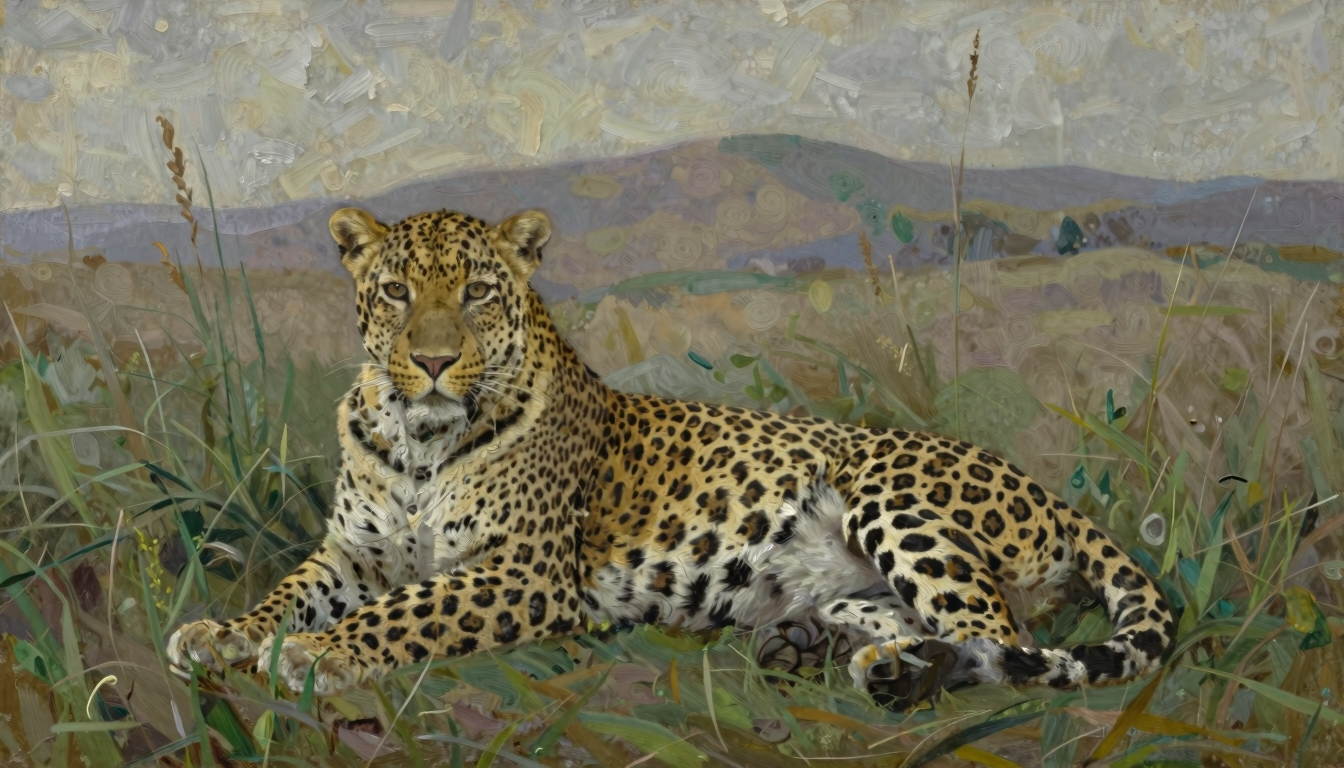
A calm leopard may symbolize self-possession or an ability that does not need constant display. If you feel comfortable observing it, the dream can suggest respect for independence. Its quiet presence may invite you to recognize a capacity you have overlooked.
If you feel watched, the same stillness may express uncertainty about being assessed. The animal has not necessarily acted against you; your attention is on what it might do. That difference matters when comparing the image with a waking relationship or decision.
A leopard appearing from cover can symbolize something becoming visible: an ability, a condition, or an unresolved concern. The dream does not prove concealed danger exists. It may simply give uncertainty a shape you can finally see.
A dream dictionary may offer stealth, power, or independence as leopard symbolism. Those associations are useful only when connected with the actual action and ending. They cannot identify a deceptive person on your behalf.
Following differs from chasing
A leopard following you may symbolize a powerful concern or capacity staying near you. If it keeps a steady distance without threatening you, the dream can express accompaniment, observation, or unresolved awareness. Following does not automatically mean pursuit.
A leopard chasing you adds urgency and a wish for distance. It may symbolize a decision or pressure that seems to gain speed whenever you try to avoid it. Notice whether you have a clear route or keep returning to the same place.
If the chase ends when you enter an open space, the image may suggest that more room brings options. If the animal turns away, the concern may pass without becoming contact. If it catches up, consider what happens next rather than treating the chase itself as the whole meaning.
The useful question is whether you need to recognize a presence, address a postponed issue, or establish distance. Each calls for a different response. An intense dream does not measure the likelihood of waking danger.
Attack and witnessing someone else's attack
A leopard attacking you may symbolize a sudden challenge, exposed vulnerability, or force experienced as direct confrontation. An attack after you approach differs from one that surprises you. The first can emphasize a boundary crossed; the second can express uncertainty about preparation.
If the leopard attacks someone else, your role becomes important. Helping may symbolize responsibility or concern; watching helplessly may express limited influence. The scene does not predict that person's injury or establish who threatens them.
Read the ending. Finding shelter, receiving help, or escaping can shift the emphasis toward response and recovery. A scene that remains unresolved may express how unfinished the concern feels. Neither ending should become an accusation against a real person.
A leopard inside the house or kept as a pet
A leopard in your house brings independent power into familiar space. A doorway can evoke what you allow in; a bedroom, privacy; a shared room, how others' needs occupy your daily life. Its behavior matters more than the room alone.
A peaceful animal can symbolize making room for a strong part of yourself. One you cannot manage may represent a demand that exceeds the arrangements you have made. The image may concern a new responsibility rather than an intruder.
A pet leopard adds the idea of an ongoing relationship with something powerful. Affection can suggest trust; constant vigilance can suggest that the arrangement asks more than you expected. Calling it a pet does not erase its independence within the dream.
The distinction is between sharing space and assuming complete control. A meaningful boundary can allow closeness without requiring every uncertainty to disappear.
Cubs and developing capability
A baby leopard or leopard cub may symbolize emerging confidence, a developing responsibility, or a strong potential that currently needs care. Holding it gently can evoke protection. Feeling overwhelmed may express uncertainty about what the responsibility will become.
A cub is different from a small adult leopard. Youth emphasizes development; small size may emphasize distance or how manageable the concern feels. Neither predicts pregnancy, a child, or future success.
Notice whether care helps it move independently or keeps it dependent. A cub leaving safely may symbolize growth; searching for one that disappears may express concern about losing something you have begun to nurture.
Fighting or killing the leopard
Fighting a leopard may symbolize an escalating struggle with a force you find difficult to read. Trying to overpower it can express a wish to replace uncertainty with victory. If the fight continues without changing anything, the dream may suggest that confrontation has become the pattern itself.
Killing a leopard may symbolize ending a perceived threat or suppressing an independent part of life. Relief differs from regret. The ending helps show whether the scene feels like protection, loss, or a wish for complete control.
These actions are dream images, not directions to harm. In waking circumstances, a clear condition, a different position, or help from someone else may address the concern more effectively than treating it as a contest.
Black white and snow leopards
A black leopard may emphasize obscurity, intensity, or a power that feels less visible. It does not establish evil or betrayal. A white leopard may emphasize unfamiliarity, contrast, or an appearance you associate with calmness or clarity. It does not guarantee purity or good fortune.
A snow leopard dream may bring the image of independent strength into a remote, cold, or difficult landscape. If that setting feels peaceful, the dream may evoke solitude and self-reliance. If it feels isolating, the same scene can express distance from support.
A white leopard and a snow leopard should not automatically be treated as identical dream images. Record what you actually saw: color, setting, movement, and your feeling. Those details are more useful than assigning a fixed prediction to a name.
Leopard print and similarly named creatures
Leopard print in a dream concerns a pattern on clothing, fabric, or another object rather than a living animal. It may symbolize visibility, bold presentation, or wanting to borrow an appearance of confidence. Feeling comfortable in it differs from feeling conspicuous.
A leopard seal dream should be read through the creature and its water setting. It may evoke capable movement in an environment where you feel less at ease. That is different from a land cat emerging from cover.
A leopard gecko dream may focus on a small creature, close observation, or manageable care. A leopard snake dream should likewise follow the snake's actual movement and your response. The shared word or spotted appearance does not transfer every leopard interpretation to these animals.
If you are uncertain which creature appeared, describe its form before reaching for a label. A remembered picture or recent encounter may explain the image without requiring an elaborate symbolic reading.
Religious and language perspectives
A spiritual reading may connect the leopard with discernment, independent strength, or choosing when to act. The useful reflection is how capability can coexist with restraint. Calling the dream a warning does not make it evidence against anyone.
A Biblical reading can reflect on vigilance, conduct, or trust through your faith, but this image alone does not establish one scriptural interpretation or divine message. For an Islamic reading, personal context and qualified guidance matter; the dream does not establish an enemy, punishment, or required action.
For a Hindu reading, personal religious associations may shape the scene without making it a binding forecast. An explanation in Hindi changes the language of the reading, not the evidence supplied by the dream. In either case, seeing, following, chasing, and attacking deserve distinct interpretations.
Bringing the image into ordinary life
At work, a quiet leopard may resemble capability that remains unnoticed or a requirement you have not clarified. Check the actual task and what others know about your contribution. Share one concrete example of your work or ask one direct question about expectations.
In relationships, being followed may symbolize uncertainty about another person's attention. Check what they have actually said or done rather than assuming hidden intentions. Ask for clarity about one interaction and decide what distance feels workable.
At home, a pet leopard may resemble a powerful commitment brought into shared space. Check who carries its demands and where privacy is affected. Agree on one boundary or responsibility before allowing the arrangement to expand.
In personal projects, a cub may symbolize developing confidence. Check whether you are giving the new skill enough practice without expecting immediate mastery. Choose a small repeatable session and a review date, allowing growth without turning potential into a promise.
A modern example of making capability visible
Omar dreamed of a leopard resting behind tall grass beside a path. He kept waiting for it to attack. When he stepped into a clearing, it remained where it was, and he could see it clearly without moving closer.
He had joined a local photography group and worried that experienced members would dismiss his work. He stayed quiet during discussions, even when he had useful observations. Omar connected the dream with the distance between imagined judgment and what had actually happened.
At the next meeting, he shared one photograph and asked a specific question about framing. Two members discussed possible crops, and he tried one suggestion before the following session. He returned with a revised image and joined the discussion more easily. The ordinary result came from making one contribution visible, not from proving that the dream predicted acceptance.
Reading visibility distance and response
Record when the leopard appears, whether it approaches, and how the scene ends. Separate quiet presence from following, pursuit, and contact. Then compare those details with one situation you can describe using observable facts.
A leopard dream may help you recognize strength without forcing it into either a protector or an enemy. Its useful meaning often lies in choosing how close to move, what to make visible, and when a clear response is needed.
Frequently asked questions
What does a leopard dream generally mean?
It may symbolize quiet capability, independence, watchfulness, or power you cannot easily read. Visibility, distance, and action shape the interpretation.
What does seeing a leopard mean?
A calm sighting may evoke self-possession or observation. Feeling watched differs from actual pursuit or attack.
What does a leopard following me mean?
Following may symbolize a concern or capacity remaining near you. Steady distance without threat differs from urgent pursuit.
What does a leopard chasing me mean?
A chase may symbolize pressure or a postponed issue you want to avoid. Notice available routes and whether the ending restores options.
What does a leopard attacking me mean?
An attack may symbolize direct confrontation or exposed vulnerability. It does not prove another person intends harm.
What does a leopard attacking someone else mean?
Your role may express care, responsibility, or limited influence. It does not predict an injury to that person.
What does a leopard in my house mean?
It may bring independent power or a demanding commitment into familiar space. The room and animal’s behavior help clarify the boundary involved.
What does a pet leopard dream mean?
A pet may symbolize an ongoing relationship with something powerful. Affection differs from constant vigilance or assuming complete control.
What does a baby leopard or cub mean?
A cub may symbolize developing confidence or a responsibility needing care. It does not predict pregnancy or future success.
What does fighting or killing a leopard mean?
Fighting may emphasize escalation; killing may express ending a threat or suppressing independence. Relief and regret give different readings.
What does a black leopard mean?
Black may emphasize obscurity or intensity. It does not establish evil, betrayal, or a hidden enemy.
What does a white leopard mean?
White may emphasize unfamiliarity or contrast. Read it with the animal’s action instead of treating it as guaranteed luck.
What does a snow leopard dream mean?
Its remote or cold setting may evoke solitude and self-reliance, or isolation if support feels distant. The setting and feeling matter.
What does leopard print mean in a dream?
A pattern may symbolize bold presentation or borrowed confidence. Wearing it comfortably differs from feeling conspicuous.
What does a leopard seal dream mean?
Read it through the creature’s water setting and movement. It may evoke capability in an environment where you feel less at ease.
What does a leopard gecko dream mean?
A gecko may emphasize small scale, observation, or manageable care. Its shared name does not make it a large-cat dream.
What does a leopard snake dream mean?
Follow the snake’s actual movement and your response. A spotted appearance alone does not transfer leopard meanings to it.
What is a Biblical meaning of a leopard dream?
You may reflect on vigilance, conduct, or trust through your faith. The dream alone establishes neither a fixed scriptural meaning nor divine communication.
What does a leopard dream mean in Islam?
No binding conclusion about an enemy, punishment, or action follows here. Personal context and qualified guidance matter for a religious reading.
What does a leopard dream mean in Hindu belief or in Hindi?
A Hindu reading may involve personal religious associations without becoming a forecast. Hindi identifies the language of explanation rather than a separate automatic meaning.