Summary
When a partner cries, sharing their distress and understanding it are different responses. The writer explores how listening, paraphrasing and acknowledging hurt may help someone feel accepted.
At a glance
There is no single right response when your girlfriend feels wronged and cries. The writer recommends attentive listening, paraphrasing what happened in your own words and acknowledging why it hurt. Understanding her feelings does not require experiencing the same distress, and comfort can leave room for later self-reflection.
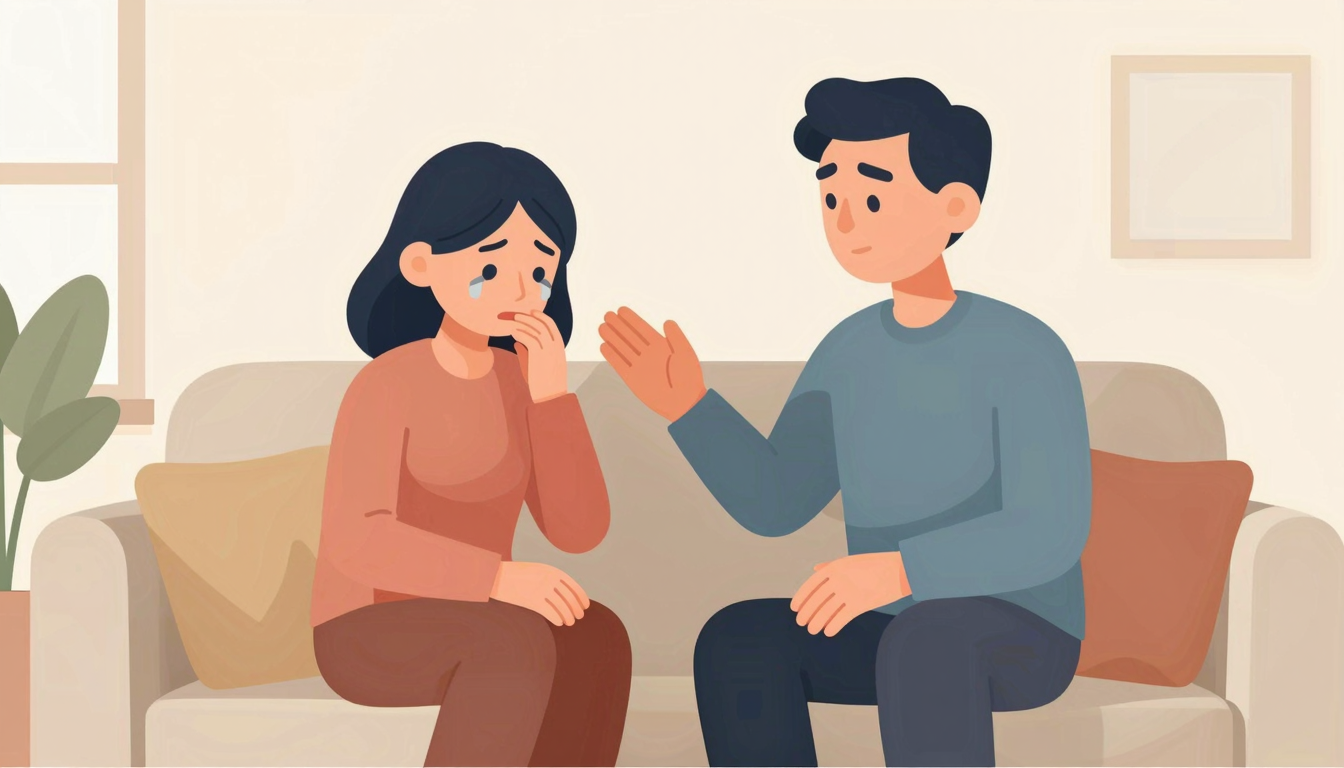
What should you do when your girlfriend feels wronged and starts crying in front of you? A discussion associated with the book on empathy opens with Xiao A facing that question.
When his girlfriend comes home from work, he notices that something is wrong. He thinks back over whether he might have done anything to upset her. After deciding that he hasn’t, he asks, “What happened?”
She bursts into tears. “My boss was harsh with me!”
There is no single right answer to how we should respond when someone expresses emotion in front of us, the writer observes. Some psychologists might suggest giving more thought to the other person’s perspective while sharing a little less of their emotional experience.
That may sound troubling. What is the point of being together if you cannot understand your partner’s feelings? But understanding those feelings and experiencing them yourself are different processes. You can be less caught up in a partner’s emotion and still understand what they are feeling.
Should you cry along when your partner cries? The writer describes emotional empathy as emotional arousal stirred by someone else’s feelings: your partner’s tears make you uncomfortable, or their frown leaves you agitated. This emotional contagion happens involuntarily. You may be able to control how you act in response while finding the feelings themselves much harder to suppress.
For people especially susceptible to emotional empathy, the writer suggests, this may develop into a state called “unmitigated communion.” You can feel happy only when your partner is happy. You find it hard to say no when their views differ from yours. You spend so much time worrying about their affairs that you may worry more than they do.
That degree of involvement can be exhausting, and it may also make you clingy. If your partner seems not to appreciate it—even by disregarding your advice on one occasion—you may feel particularly insecure and find yourself asking again and again, “Do you still love me?”
What if you instead give more thought to what your crying partner is experiencing? The writer argues that having different feelings from your partner is often normal and beneficial. Becoming caught up in the same distress may carry those costs without doing much to help your partner’s feelings settle.
Think about what you want when you are sad. Would you prefer your partner to become sad too, or to comfort you, give you a hug and show that they understand? The writer’s view is that considering and understanding a partner’s feelings is more often what helps them feel better.
This is where cognitive empathy comes in: reasoning about another person’s inner experience. Tears might express sadness, a sense of being wronged or anger. A frown might signal disappointment, or the person might simply be thinking. Understanding involves considering these possibilities rather than assuming that an expression tells you exactly what someone feels.
Reasoning about a partner’s experience can go astray if it becomes an immediate lecture: “Your boss probably reprimanded you because you did something wrong.” That assigns blame before understanding her distress. The writer offers an illustrative alternative: “Does being reprimanded leave you feeling wronged? You’ve put in so much effort, and it hasn’t been recognized. It makes sense that you feel hurt.”
The writer sees this attention to another person’s inner experience as indispensable in romantic relationships and everyday life. Understanding others helps us avoid hurting them and recognize what we can do to make them happy.
The practical question, then, is how that understanding reaches someone who is upset. Imagine being angry or sad and having a partner who understands why, comforts you and helps you feel secure enough to regain the energy to address the source of your distress. Compared with having them become just as angry or sad, which response would better meet your needs?
Attentive listening and paraphrasing are the writer’s recommendations for expressing cognitive empathy. Listening involves showing that you are taking in what your partner says. Reassuring eye contact, a nod or a brief response such as “Mm-hmm” or “Yes, exactly” can help them feel that you are genuinely listening.
Paraphrasing offers a further way to communicate what you have understood. The writer considers it simple to use and often effective: slowing the usual pace of conversation can give both people a chance to become more attuned to each other. It means processing what your partner has said and expressing the substance in your own words, rather than mechanically repeating theirs.
After restating what happened, acknowledge why it hurt. The response might take this shape: “You expected things to go one way, and then this happened. It makes sense that you feel wronged.” The connection is between what your partner expected, what happened and how they feel about it. A response like this gives the feeling room to exist and may help your partner feel attended to and accepted.
Once she has dried her tears, the writer suggests, Xiao A’s girlfriend may reflect on her own part in what happened. That reflection can come later. We are already accustomed to staying calm and composed around people we are less close to. With someone she trusts, let her cry: “After something like that, it’s completely understandable to feel like crying.”
Frequently asked questions
Do you need to feel the same distress to understand your partner?
Understanding a partner’s feelings and experiencing those feelings yourself are different processes. The writer argues that having different feelings from your partner is often normal and beneficial.
How does the writer recommend paraphrasing an upset partner?
Process what your partner has said and express the substance in your own words. Then acknowledge how what happened connects with their feelings, rather than mechanically repeating their words or immediately assigning blame.