Summary
Which traits would you choose to develop? This reflection explores the Big Five, the interaction of personality and experience, and practices for pursuing change that fits your values.
At a glance
The writer argues that personality can change gradually as traits, experiences, environments and habits influence one another. The proposed approach combines clear goals, belief in the possibility of change and repeated practice, guided by personal values. Change may involve strengthening useful traits or easing painful tendencies, with sustained effort rather than a fixed deadline.
Imagine you were God, creating yourself. Would you change any of your personality traits? The writer of a reflection on a book about personality development would add a few more spoonfuls of optimism and courage. What, if anything, would you choose?
Wanting to become a better version of yourself raises a further question: can people really change their personalities? What determines the traits we have, and how might we change them?
Understanding the patterns
Personality consists of relatively stable patterns in how we think, behave, and feel. It influences whether we prefer an evening alone at home or a gathering with friends, how readily we become tense or anxious, and whether we feel drawn to new experiences or familiar surroundings. For the writer, these patterns fundamentally shape the kind of person we are.
Modern psychologists describe personality through five broad traits, known as the Big Five: extraversion, neuroticism, conscientiousness, agreeableness, and openness. Their everyday expressions offer ways to recognize our tendencies.
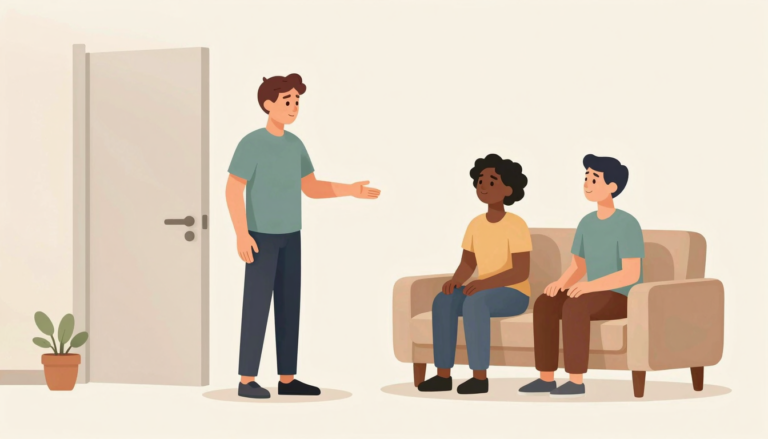
Extraversion concerns how actively we engage with the external world. People who score highly generally enjoy socializing and parties. Those who score lower, described as introverted, tend to prefer quiet and time alone to a party.
Neuroticism concerns sensitivity to negative emotions and emotional instability. Frequent worry, feeling hurt by perceived slights in social situations, dwelling on past failures, or feeling apprehensive about approaching challenges may indicate a higher level of this trait.
Conscientiousness involves the willpower, self-discipline, diligence, and organization we bring to pursuing goals. You may score highly if you like to keep your room tidy, dislike being late, or have clear goals for your future.
Agreeableness concerns warmth and friendliness. Patience, tolerance, and an initial inclination to like and trust someone you have just met may suggest a high level of agreeableness.
Openness describes receptivity to new ideas, activities, cultures, and places. Reluctance to try unfamiliar dishes, or a preference for staying in one place rather than traveling to different places, may suggest a lower score. These examples describe possible tendencies rather than rules that apply to everyone.
The writer argues that personality also finds expression throughout the body, beyond descriptions such as serious, shy, impulsive, generous, vain, or anxious. In this account, introverts' preference for calm and quiet is accompanied by greater sensitivity to noise in their brains. The writer also reports a finding that people high in neuroticism have a smaller area of cortex involved in regulating emotion, with fewer folds.
A study attributed to the University of Texas at Austin reportedly found an association between high openness and conscientiousness and fewer markers of chronic inflammation. Separately, the writer describes an association involving the gut: people higher in neuroticism reportedly have more microorganisms characterized in the account as harmful.
What leaves room for change?
A common assumption is that personality depends on genes, that genetic influence is fixed, and that our nature must therefore be difficult to change. The writer challenges that conclusion while acknowledging personality's biological foundations, putting the genetic contribution to personality differences between people at 30–50%.
In this explanation, genes influence traits directly and also indirectly, through the lifestyles and experiences they help shape. Someone who is naturally extraverted, for instance, may find social interaction especially enjoyable. Those positive feelings may then encourage greater extraversion. Experience shapes personality, while personality influences how we live and which experiences we have. This ongoing exchange keeps personality dynamic.
The writer therefore argues that deliberately choosing environments, developing new hobbies, and spending time with people suited to the changes we want to make can gradually help our personalities move in that direction.
But does your personality need to change? That depends on what you want from the change. You might want to develop an existing strength: someone who is already responsible may hope to put that quality to better use and perform tasks especially well. Or you might want relief from something painful, as when a person prone to intense anxiety hopes to feel less anxious.
The writer invokes the Ship of Theseus to address a different concern: would changing your traits mean losing who you are? In the writer's view, you can change and still be yourself; doing so need not make you false. Becoming more at ease and happier can be an expression of authenticity. That might mean accepting the many ways people live, making friends with different kinds of people, pursuing your genuine desires, and doing more of what you truly want to do.
Giving change a practical shape
For someone who wants to change, the writer offers three principles. The first is to set a clear goal. A specific aim offers more motivation and a better chance of success than a vague wish. If you want to become more extraverted, for example, you might decide to talk to a stranger at least once a day or get together with classmates at least once a week. Either gives concrete expression to the broad wish to be more outgoing.
The second principle is to believe that personality can change, an outlook the writer calls a growth mindset. In this view, believing that you can alter your patterns of thought, behavior, and emotion is a necessary starting point for changing your personality and improving your life, work, and relationships.
That encouragement applies when your way of engaging with the world feels ill-suited to you, when your traits stand in the way of what you want, or when your life feels out of step with your values. The writer expresses strong confidence that, with appropriate strategies and sustained effort, you can become the person you hope to be.
The third principle is to keep practicing new behaviors until they become natural. In the writer's explanation, personality traits are, in a sense, the sum of our habits. Automatic patterns sustain our familiar ways of thinking and acting without deliberate effort. Changing them means disrupting old habits and developing new ones.
The writer reports a study in which a new behavior took an average of 66 days to become automatic. That figure concerns habit formation rather than a timetable for changing an entire personality, and an average does not set a deadline for everyone.
Give yourself time to practice. One or two lapses need not mean giving up or slipping back into old habits. Forgive yourself for those lapses, then return to the behavior you are trying to establish before a small setback grows into a larger one. With repetition, what initially requires deliberate effort can begin to feel natural. The writer's argument is that as new habits and ways of responding to the world take hold, personality change follows.
Practices to explore
One place to begin is with the stories you tell about your life. The writer offers an exercise labeled narrative therapy: take some paper and a pen, close your eyes, and recall two high points, two of your darkest moments, two turning points, and two important memories from early life. A turning point is an event that changes the course of your life, such as deciding to pursue graduate study.
Write one or two paragraphs about each event. Include who was involved, when and where it happened, and why you chose that particular event or memory. Then reread what you have written, looking for patterns in how you tell these stories.
A story that begins well but ends badly is called a contamination narrative. For example, someone might write, “The midterm wasn't difficult, but I did poorly because I was careless.” A redemptive narrative moves in the other direction, with a challenge becoming an opportunity: “Although the task was difficult, I completed it well and made good friends along the way.”
The writer reports research associating more frequent redemptive narratives with greater happiness, while more frequent contamination narratives are associated with feeling more dejected. Drawing on that relationship, the writer suggests that if contamination narratives recur in your writing, you might try retelling those experiences in a redemptive form.
Gratitude offers another regular practice. You could keep a short daily journal of things you are grateful for, or write a thank-you letter to someone you appreciate. The writer reports research associating both experiencing and expressing more gratitude with less harmful impact from stress. The writer's further explanation is that reducing the negative effects of stress can, in turn, lead to lower neuroticism.
Where gratitude directs attention to what you appreciate, the best-possible-self exercise turns toward a hoped-for future. Set aside some free time each day to imagine how beautiful your life could be if you had worked hard, circumstances had gone smoothly, and you had achieved all your life goals. The writer suggests that regularly practicing this thought experiment can help you maintain an optimistic outlook.
Moving toward a desired future may still involve anxious thoughts. For these, the writer offers another visualization: imagine them as a group of unruly, noisy children on a school bus, with you in the driver's seat. The passengers may distract you, but they do not prevent you from moving toward your destination. The writer suggests that the sense of control this image brings might help you remain more emotionally stable and, in turn, reduce neuroticism.
The destination itself is yours to consider. The writer sees a common wish behind most people's desire to change their personalities: to live, work, and relate to others in healthier, happier ways. What matters most to you? Who do you want to become? Discovering a new sense of purpose, or reflecting on the values you hold most deeply, can lay the foundation for change that feels meaningful and true to who you are.
Once you have identified your goals, keep cultivating the ways of thinking and the behavioral habits that support them. Becoming the person you hope to be is gradual work, requiring sustained effort.
Frequently asked questions
Does the 66-day average describe how long personality change takes?
The writer reports an average of 66 days for a new behavior to become automatic. That figure concerns habit formation rather than a timetable for changing an entire personality, and an average does not set a deadline for everyone.
Does personality change require becoming more extraverted?
The writer presents change as developing an existing strength or easing a painful tendency. The direction depends on what you want from the change and the values that matter to you.
What three principles does the writer suggest for personality change?
The writer suggests setting a clear goal, believing that personality can change and practicing new behaviors until they become natural. Appropriate strategies and sustained effort remain central to the account.