Summary
A pale-green cover, a carefully stitched spine and another reader’s notes turn an unexpected encounter with old books into an intimate return to youthful hopes.
At a glance
In “Encounter,” a writer sees protective covers, repairs, bookmarks and annotations as traces of affection, youthful dreams and private longings. The books seem to her like wandering hearts. Able to take only a few, she chooses those with the most notes.
In her essay “Encounter,” the writer recalls an unexpected sight at a corner: old books spread thickly yet neatly across the ground. One glance stopped her in her tracks.
The first book to catch her eye wore a cover of pale-green glossy paper, added by its owner. Inside was a novel. Its pages had not a single crease; for a moment, she wondered whether it was new.
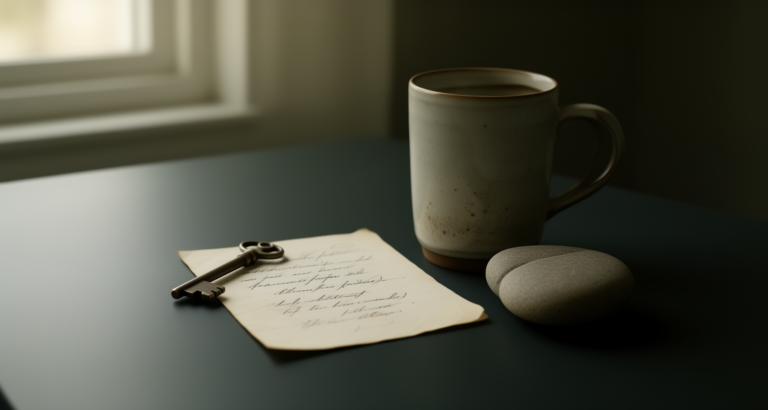
The owner had left traces among those pages. A homemade cardboard bookmark had been cut into a shape and colored in. In youthful but exuberant handwriting, its owner had written, “Read to savor the flavor, read until a landscape unfolds.” There was a ginkgo leaf, too, and a postcard tucked into the book. She guessed that the owner was a secondary-school student. Wrapping books in protective covers, making bookmarks, pressing leaves between pages, saving beloved postcards—to her, these small acts held an endearing affection for books that older readers had long since lost.
The next book bore a different kind of care: nylon cord stitched along its spine. “Stitched” or “sewn” was the word she wanted, rather than “bound” or fastened with metal staples. To her, binding suggested punishment, with none of the tenderness she saw in this repair. Gathering loose pages together with needle and thread was like mending the clothes or washing the face of a child who had suffered: an act full of apology and protective tenderness, without a trace of resentment.
This was a martial-arts novelist’s work. How fortunate a book it seemed to her, to have held the happiness of young readers. What had brought it to the secondhand stall? Had it become a shell a young reader had outgrown and no longer wished to carry? Or was the book leaving things to chance, hoping to meet another young hero?
She wondered whether opening it might disturb young readers’ dreams of becoming wandering martial heroes. Could keeping it in her collection offer comfort to the passionate days of their youth? And if she simply passed it by, wouldn’t she be letting it roam on through its world of martial adventure?
The third book she picked up was a woman novelist’s work, a novel with autobiographical elements. She particularly enjoyed such novels. As she read, she would imagine the authors’ circumstances and thoughts at the time of writing, delighting in the emotional upheaval those imaginings stirred in her.
Here, another reader’s feelings filled the pages. There were faint markings and abundant notes recording small feelings and passing moods. Several pages of illustrations had been tucked between the leaves, too, and their quality impressed her. Together, these traces suggested a young literary enthusiast with a range of artistic interests. The graceful, rounded handwriting made her imagine a woman who was not quick to flare up—or at least one who was gentle in her writing.
Someone had read this book with care. She felt it ought to have been treasured. How had it ended up at the stall?
The novel brought back her own girlhood. Perhaps it had been her favorite then—and perhaps every ordinary-looking girl had felt the same attachment. She remembered how girls like her, troubled by feelings of inferiority, had secretly imagined themselves as the heroine, dreaming of meeting a romantic counterpart of their own.
With time, she had come to see those beautiful visions as dreams. In her disillusioned view, the men heading toward ordinary-looking women like herself rode mules or donkeys, while those riding fame and fortune, or white horses, pursued beautiful girls.
Now, holding the annotated book, she felt she was reading a girl’s drifting private thoughts. She was glad to find that every note its owner had left struck a chord in her.
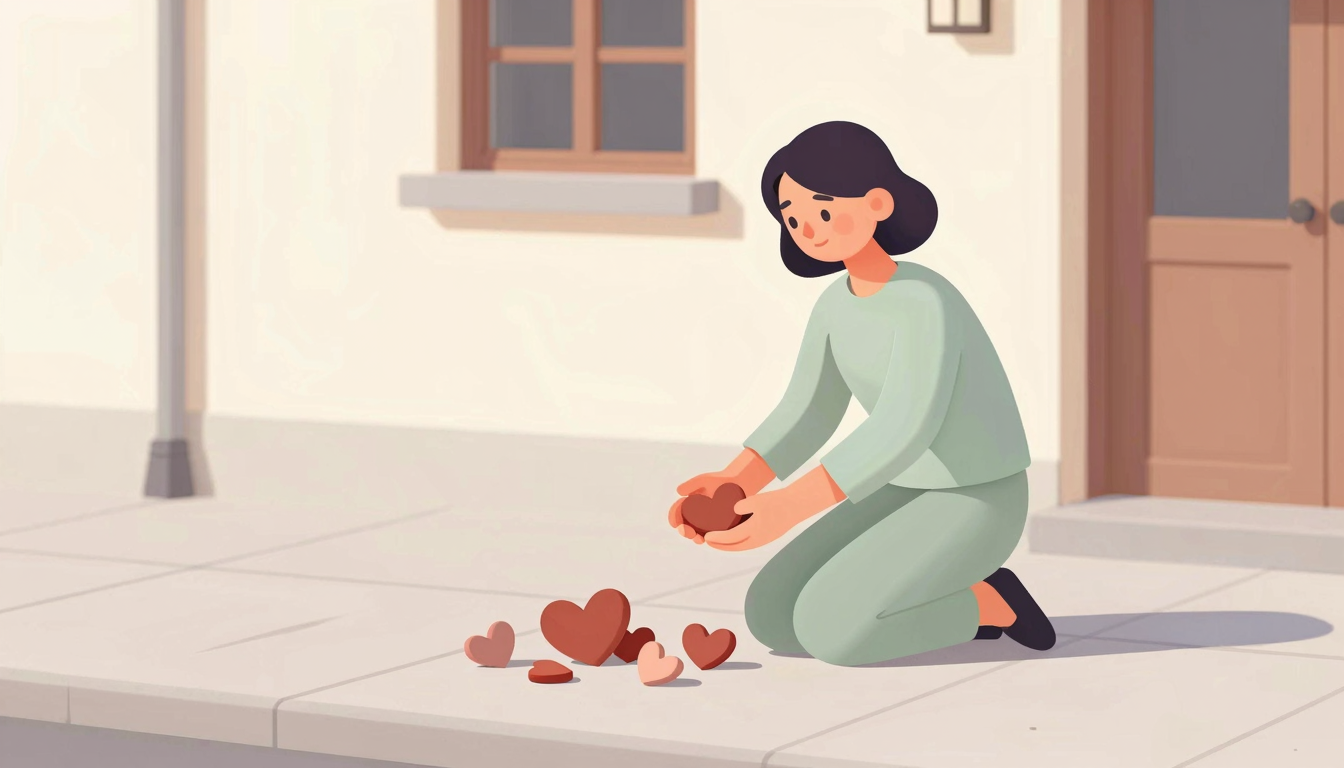
Across the spread before her, the old books seemed like so many wandering hearts. Those with annotations, some faint and others emphatic, were especially hard to set down and leave behind. She could take only a few, and chose those with the most notes.
How could she bear to leave hearts that had once been so full to go on wandering?
Frequently asked questions
Why does the writer compare old books to wandering hearts?
She sees their repairs, keepsakes and annotations as traces of readers’ affection, dreams and private feelings. The metaphor expresses her tenderness toward the emotional lives she imagines within them.
Which books does the writer take away?
She could take only a few, and chose those with the most notes.