Summary
Flowers and warm breezes share the season with tired afternoons, romantic wishes, and restless feelings. A columnist gathers readers’ varied experiences of spring, leaving room for both its pleasures and its emotional complexity.
At a glance
In a columnist’s reader submissions, spring brings sleepiness, romantic longing, and mixed emotions. Sleepiness was the most frequent keyword, while other readers described hopes for companionship, anxiety about the fleeting season, or some relief from winter’s heaviness. Their accounts sit alongside the columnist’s attributed seasonal explanations and informal invitations to enjoy spring according to how they feel.
What defines spring for you—romance, sleepiness, emotions, or something else entirely?
For one columnist, spring begins with a soft evening breeze easing the day’s fatigue, the delight of discovering clusters of tulips outside a window, and the anticipation of a sweet romance. The previous week, they had asked readers what changes spring had brought into their lives. The replies ran to thousands of Chinese characters, revealing many different ways of experiencing the season.
A year’s plans begin in spring, as the saying goes. But what if spring’s plan is…to feel sleepy? Sleepiness was the keyword that appeared most often in those replies.
One reader described the happiness of seeing beautiful blossoms and the fresh green of trees and grass. Yet as the weather had warmed over the past few days, they had also begun to tire easily and feel sluggish.
Another appreciated spring’s beauty but felt too busy to notice even a flower or a tree. They seemed to be sleepy every day, with little desire to do anything and no clear sense of what all that busyness was accomplishing. The lovely season felt so brief that they did not know how to hold on to it.
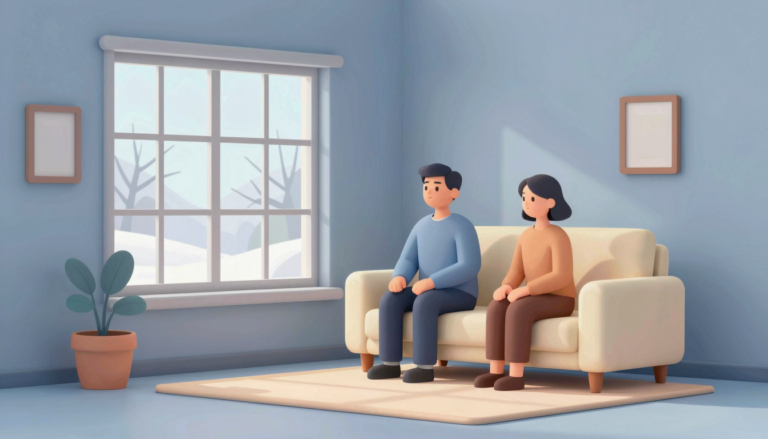
The columnist had been sleepy lately, too, finding themselves propping up their head without noticing as lectures went on. Back at the dormitory each evening, they would curl up in bed and do nothing, the intentions they had set at the start of spring forgotten. They felt sleepy while walking, while eating a flaky flatbread, and even while writing.
To explain this sluggishness, the columnist cites researchers who suggest that seasonal changes affect the body’s biological clock: the recurring rhythms of biological activity that have, over time, adapted to natural cycles such as day and night and the changing seasons. The columnist then proposes that earlier dawns and longer daylight require the body to become alert earlier and stay awake longer, using more energy and leaving it sluggish.
They also draw on a physiological explanation in which rising spring temperatures prompt blood vessels in the skin and the pores to dilate to release heat. In this account, blood flow to the skin increases substantially, redistributing the body’s blood supply so that relatively less reaches the brain. The columnist describes the brain as making a protective adjustment—turning down its excitability and energy use in a kind of “self-preservation”—that makes sleepiness more likely.
But wouldn’t it be a pity to sleep through such beautiful spring days? The columnist’s playful proposal is to fall in love. Even miles of spring breeze, in this romantic mood, cannot compare with you.
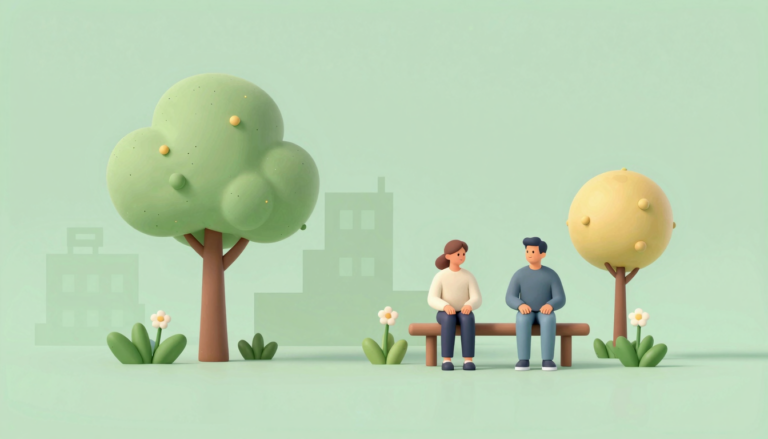
Many readers sent in romantic wishes of their own. One felt as though their feelings were about to blossom along with the flowers. Perhaps what they were really imagining was sharing the season with someone they hoped to meet in this loveliest time of year.
Another described the gentle evening breeze drifting across the windowsill, neither cold nor dry, and how comfortable it felt. How lovely it would be to have a man there to share it with. They longed for a sweet spring romance, yet felt that romantic opportunities kept slipping past.
A third reader imagined admiring flowers and wandering country paths with the person they longed for, then embracing beneath the shade of pear trees in bloom. In the warmth of spring, they wanted to share all those sweet experiences together.
The warmth runs through the columnist’s own evocation of the season: the body feels warm, the heart feels warm, and so does the person one loves. They cite research reporting that warm, comfortable surroundings can significantly improve positive mood and lead people to view others more favorably.
They also recall a well-known rhesus monkey experiment. In their telling, young monkeys preferred a cloth surrogate mother that gave them warmth and ignored a wire surrogate. From this account, the columnist draws an important connection between temperature and social feelings.
Their explanation continues with the body’s efforts to release heat: metabolism speeds up, leaving the heart beating a little faster in warm spring weather than in winter. Invoking the suspension-bridge effect, the columnist suggests that this faster heartbeat can be mistaken for the first stirrings of spring romance or the flutter of attraction to someone we love. In this proposed account, that interpretation makes romance more eagerly anticipated and more absorbing in the comfortable season.
The columnist follows with a teasing picture: the cats are in love, the dogs are in love, and so are the people nearby. It is as though every living thing has been secretly arranging a romance behind the reader’s back. Then comes an invitation of their own: “So…would you give me a chance?”
Yet a restless heart is not always a pleasant feeling. The columnist observes that this spring seems to have unsettled people’s moods as well as stirred romantic longing.
One reader noted that even as everything grows, negative emotions can take root. They also reported doctors advising that medication for mental illness be taken on schedule and at the prescribed dose during spring. They ended with a dark turn of phrase: “The more beautiful spring is, the more it tears you apart.”
For another reader, warmer breezes and lighter clothes seemed to ease a little of the heavy, depressed feeling winter had brought. The leaves were fresh, but blossoms fell quickly, and the evenings were still cold. Spring in the north was so brief that they felt anxious about missing it. So, on an overcast day, they went to see all the flowers in the garden. Afterward, they said, they no longer felt anxious—a turn of events they recounted with a laugh.
Another reader noticed that the people around them seemed low, with all sorts of thoughts piling up in their minds. Perhaps, they suggested, it had something to do with being in the second half of their third year at university, facing important decisions about their lives. In their own speculative explanation, they imagined the prefrontal cortex briefly losing control just as it approached full maturity.
Some friends wanted to start relationships; others wanted to break up. Some felt anxious, others uneasy. For this reader, spring was a season that set people thinking about all sorts of things, whether those thoughts were welcome or unwelcome.
The columnist compares these shifting moods to spring’s temperatures, rising and falling unpredictably. They cite some research reporting that some people with depression experience an improvement in spring. The explanation offered is that longer daylight increases the efficiency of serotonin synthesis, producing an antidepressant effect.
Separately, the columnist reports observations by medical workers that both incidence and relapse rates for schizophrenia and mania are higher in spring each year than in other seasons. Similar seasonal patterns, they report, occur across multiple mental disorders.
And how has this spring left you feeling—conflicted, happy, down, or angry?
The columnist’s closing suggestions are gentle and informal: if you’re feeling bad, spend a little time in the sunshine. If you’re angry, let a warm evening breeze brush past you. If you’re happy, run to your heart’s content. And if you’re feeling conflicted, curling up and being lazy is welcome, too. Whatever your mood, their wish is that you enjoy these lovely spring days.
Frequently asked questions
What was the most common spring keyword in the reader submissions?
Sleepiness was the keyword that appeared most often in the columnist’s reader submissions.
How did one reader describe anxiety about missing spring?
One reader felt anxious about missing the brief northern spring, where blossoms fell quickly and evenings remained cold. They visited all the flowers in a garden on an overcast day and afterward reported no longer feeling anxious.