Summary
Thoughts of what might have been can make a past relationship hard to leave behind. Regret may also offer lessons, while conversation and writing about positive gains may help with the pain.
At a glance
Breakup regret involves the importance of social connection, the pain of rejection, and comparisons between what happened and imagined alternatives. Regret generally fades with time, but may persist when connected with current goals that remain attainable. Its lessons may improve future relationships; talking with a friend, journaling about positive gains and feelings, or seeking counseling when coping alone feels difficult may help.
“Maybe if I had…” The wish to have acted differently remains unfinished. But there is no going back to redo the past.
For people who are single or have been through a breakup, certain occasions may bring back regrets about past intimate relationships. Morrison and Roese (2011) found that intimate relationships are an especially common source of regret. Why can thoughts of what might have been weigh so heavily?
Connection with other people is a basic human need. Some social psychologists consider it as important as basic physiological needs. Given that importance, it is understandable that regret would be tied to our need for social connection. The pattern extends beyond romance: Morrison and Roese (2011) found that regrets involving social relationships more broadly were more common than regrets in other areas of life, including career and finances.
Rejection is part of this picture. Morrison, Epstude, and Roese (2012) found that the intensity of the negative experience of rejection can predict how much regret a person feels about that experience. Such regret can arise when someone is excluded by friends, too. In the researchers’ account, however, a romantic breakup is often the harshest rejection most people have experienced.
Regret also involves counterfactual thinking: comparing what happened with imagined alternatives. If we had done something differently or chosen different words, might the outcome have been different? Beike, Markman, and Karadogan (2009) and Summerville (2011) describe regret as arising after an opportunity has been lost, when we recognize that we could have acted differently but can no longer go back and make things better.
Although the past is beyond reach, some of the goals connected with it may still be attainable. Summerville (2011) found that regret generally fades with time, but is harder to diminish when it concerns a current goal that remains within reach. The writer offers a romantic interpretation of this finding: after a painful breakup, believing that better love is still possible may help explain why regret about the previous relationship lingers. In this reading, hope for future love can keep regret about the past alive.
Those thoughts about the past can also help us learn from mistakes. Researchers have found that reflecting on what we could have done to make past events turn out better helps us develop and change our approaches to future situations. The writer draws a hopeful possibility from this: regret about a relationship that ended may help us find lasting love in the future.
If regret about a past relationship is painful for you, its lessons may still help improve your future intimate relationships. That potential usefulness does not make regret pleasant. A few practical steps may help you cope with breakup pain and begin to move beyond it.
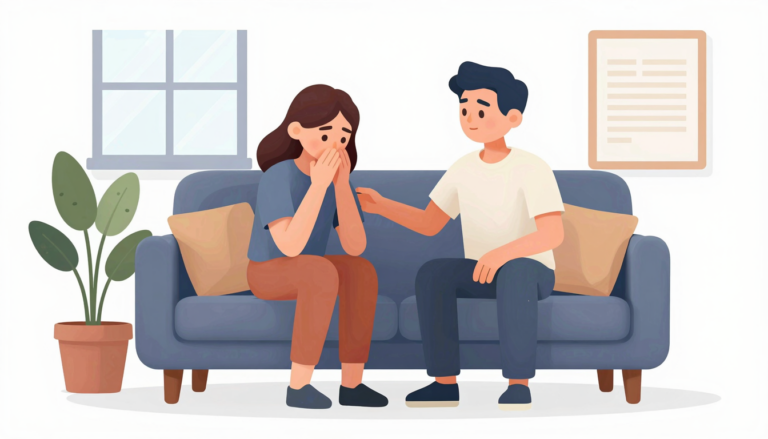
Talking with someone is one place to start. Researchers have found that discussing a relationship that ended can help people redefine their sense of self and recognize the progress they have already made. You do not have to carry the distress alone. Try talking with a good friend about the relationship; it may help you recover more quickly.
It can be hard to become unstuck from breakup regret. Another option is to keep a journal focused on what you gained from the relationship and the positive feelings you experienced. Writing about those things may help you feel more positive emotion.
If the pain feels difficult to manage alone, counseling is another option and may offer opportunities to experience positive emotions. Research also points to an association between positive experiences after a breakup and greater personal growth gained from the relationship.
Frequently asked questions
Does regret about a past relationship fade over time?
Summerville (2011) found that regret generally fades with time, but is harder to diminish when it concerns a current goal that remains within reach.
What can I write about when journaling after a breakup?
Another option is to keep a journal focused on what you gained from the relationship and the positive feelings you experienced. Writing about those things may help you feel more positive emotion.