Summary
Both silence and unwanted publicity can deepen a survivor's suffering. Patient listening, respect for personal choices and careful public discussion offer ways to reduce further harm.
At a glance
Listen without judgment when a survivor chooses to speak, communicate belief and respect, and offer patient support. Encourage help-seeking without pressure, and accompany them if they choose to report to police. Obtain permission before sharing their experience, and respect their choices about disclosure, privacy and anonymity.
Reflecting on a celebrity-related case that brought rape into public discussion, the writer welcomed the news that the person involved had been placed in criminal detention. Yet the writer also invoked experience and statistics suggesting that perpetrators are relatively seldom punished in comparable cases where survivors do not report immediately, because the delay can make evidence difficult to obtain.
Fear of the gossip that may follow public disclosure can discourage reporting, leaving some survivors willing to tell only those closest to them. Even trusted people, however, may feel conflicted and unsure how to respond. Some eventually behave as though nothing happened. Supporting someone after sexual assault can be difficult: cold disregard can deepen their suffering, while excessive publicity about that suffering can inflict further harm.
Whether the survivor is someone close to us or a stranger, how can we help while minimizing the additional harm our responses may cause?
Understanding the harm
Responding with care begins with recognizing sexual assault as a serious crime that can cause severe physical and psychological injury. Treating it as a source of shame or titillation obscures that harm and makes it harder for survivors to speak.
The writer introduces RAINN, the Rape, Abuse & Incest National Network, as the largest organization working against sexual assault in the United States. RAINN defines sexual assault as sexual contact or activity that occurs without a person's explicit consent. Sexual violence need not involve physical force: a perpetrator may use coercion or inducement to engage someone in sexual contact or activity without their consent.
Nor must the perpetrator be a stranger. Citing an unnamed survey, the writer reports that seven in ten sexual-assault cases involve someone known to the survivor. Rape in these circumstances is described as acquaintance rape, or date rape when it involves a date. The perpetrator could be a classmate, a neighbor or a friend's partner, among others. Men as well as women can experience sexual assault. Whatever the identities of those involved or the means used, the assault remains a serious crime capable of causing profound harm.
Knowing the perpetrator can also complicate efforts to defend one's rights. The writer reports that more than half of sexual-assault survivors do not report to police and cites research finding that women's silence is more closely associated with their prior relationship with the perpetrator than with shame, anxiety or fear. Those feelings can still be barriers; the research described places greater emphasis on the relationship that existed before the assault.
The consequences can persist long after the event. For some survivors, psychological effects may last throughout their lives. RAINN's website lists possible consequences including depression, flashbacks, post-traumatic stress disorder (PTSD), self-harm, sexually transmitted infections, substance misuse, dissociation, eating disorders, pregnancy, sleep disorders and suicide.
In a separate overview of these consequences, the writer reports that 17%–65% of women who have experienced sexual assault develop PTSD. This mental disorder can last for years. Symptoms may include intrusive re-experiencing of the trauma, nightmares, persistently heightened vigilance and diminished confidence in the future. The writer also cites researchers who found that these PTSD symptoms adversely affect the physical health of women who have experienced sexual assault.
The writer's overview reports that 13%–51% of survivors meet the diagnostic criteria for depression, with persistent sadness and helplessness among those affected. It describes fear or anxiety as affecting the great majority of survivors, while separately reporting generalized anxiety disorder in 12%–40%. Those affected may experience continuing apprehension, nervousness and emotional helplessness, struggle to feel understood, or often feel close to breaking down. Worry can also produce muscle tension, fatigue and difficulty sleeping.
Some survivors turn to substance misuse to escape helplessness and sadness, compounded by fear that family or friends will not understand. The writer reports alcohol dependence in approximately 13%–49% of survivors of sexual crimes and use of other illicit drugs in 28%–61%. These substances may seriously damage physical health.
Self-harm and suicide-related behavior are among the most serious possible consequences. The writer reports suicidal thoughts in 23%–44% of survivors and suicide attempts in 2%–19%, tentatively suggesting that some attempts may not reflect a settled wish to die. The writer nevertheless emphasizes that such attempts indicate severe suffering.
Assault can also undermine self-esteem, leaving some survivors with guilt, shame or self-blame. Some may find themselves unable to form intimate relationships again. Physical consequences, including sexually transmitted infections, pregnancy and impaired reproductive functioning, can cause lasting suffering as well. The writer describes these problems as especially pronounced among children who have been assaulted. As an illustration, the writer points to a film described as based on real events: its child character requires an artificial anus and must live with an ostomy bag for the rest of her life.
Supporting someone who discloses
Understanding this suffering should shape how carefully we discuss assault and how promptly we offer help, whether the survivor is someone we know or a stranger in the news. Assault may seem remote from our lives, but it can happen to someone close to us.
When someone chooses to disclose, the writer's foremost principle is to respond without judgment. This means empathy and full respect, including abandoning outdated sexual attitudes that attach shame or diminished worth to someone because they have been assaulted.
Amid shame, fear and anxiety, rebuilding self-esteem and trust in life and other people can take a long time. A disapproving look, critical attitude or judgmental remark can cause further harm. Your response should make clear that the survivor did nothing wrong and was harmed by someone else. They should not have to carry sexual shame or guilt for what was done to them.
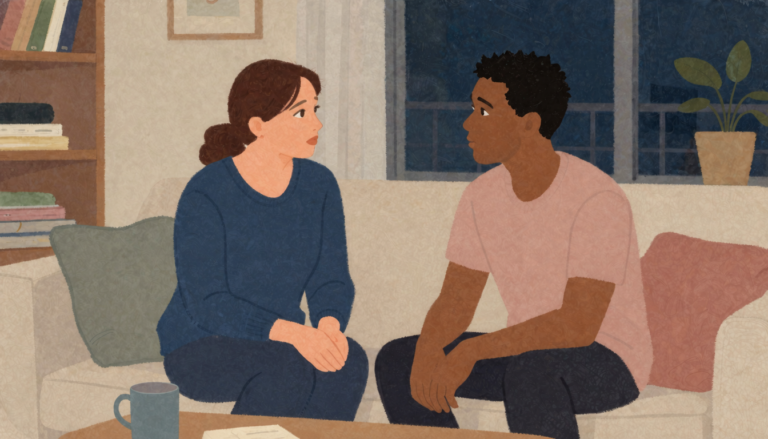
The writer describes listening itself as therapeutic because it communicates empathy, understanding and attention. Recounting an assault can be intensely painful. When a survivor chooses to speak, listen patiently and without prejudice, conveying that you recognize their pain, believe them and regard them with the same respect as before. Reassurance can be simple: “I believe you. What happened doesn't change how I see you. You can trust me.”
Being there is another expression of care, especially from a close friend or relative. The writer suggests that staying with someone at risk of suicide may help protect them from acting on their distress. If the survivor chooses to report the assault to police, accompany them as far as possible through that process.
Encourage openness and active help-seeking while leaving those choices in the survivor's hands. Demanding that they “pull themselves together” offers little support, and encouragement must not become coercion or another source of pressure. Recovery can be long and painful for survivors and those close to them. Avoid showing impatience; keep considering what the survivor may be experiencing from their perspective.
Respect also governs what you ask about and share. If the survivor is someone you do not know well, do not gossip or look at them as though they are tainted by what happened. Obtain permission before publicizing their experience or asking them to recount it. They decide what to disclose and to whom.
Discussing assault in public
These boundaries matter when a survivor becomes the subject of news and online conversation. We often encounter sexual assault through reports about people we do not know. Expanding online communication can provide effective ways to help, but it can also enable abuse. How should we discuss these experiences online?
The writer turns to a TED talk in which Ione Wells addressed that question. In this account, Wells is a sexual-assault survivor who initiated a global movement against sexual violence, whose Chinese name conveys freedom from shame. Wells described its purpose as giving people a voice rather than humiliating perpetrators.
Building on that emphasis on voice, the writer proposes platforms where survivors can voluntarily tell their stories in ways that may support healing and help them defend their rights. Readers and listeners can amplify those voices with permission. Doing so requires restraint: no malicious speculation, no humiliation rooted in prejudice, and no deliberate exaggeration of suffering or repeated dwelling on painful details. Public discussion calls for reasoned thought and careful criticism.
Such treatment, the writer argues, may reassure survivors that others will not regard them as abnormal because of what happened. It may ease shame and make it easier for those who want to speak to share their experiences and pursue their rights.
Survivors who are unwilling or unable to make their experiences public deserve equal respect. Opportunities to speak must come with protection for privacy and anonymity, leaving survivors in control of whether and how they disclose.
The harm caused by sexual assault can be difficult to heal. Respect and empathy can guide our efforts to prevent the further harm that our responses may cause.
Frequently asked questions
What can I say when someone discloses sexual assault?
If they choose to speak, listen patiently without judgment and communicate belief, respect and trustworthiness. Reassurance can be simple: “I believe you. What happened doesn't change how I see you. You can trust me.”
Should I encourage a survivor to report to police?
Encourage help-seeking without pressure and leave the decision to the survivor. If they choose to report to police, accompany them as far as possible through the process.
Can I share a survivor's experience to raise awareness?
Obtain permission before publicizing their experience. Respect their choices about what to disclose and to whom, including their choice to remain private or anonymous.