Summary
After mornings spent reacting to clients, a freelance writer describes a different sequence: move the phone away, complete one chosen task, and respond afterward.
At a glance
The freelance writer proposes leaving the phone in the living room, choosing one core task, and completing it before opening messages. They describe physical distance as easier to sustain than resisting the urge to check, and report more coherent work and a steadier sense of direction. Additional client requests still receive replies, with the work scheduled for later.
The promise, presented under Naval's name, is that one morning habit can save you twenty hours a week. The freelance writer's argument begins with a familiar scene.
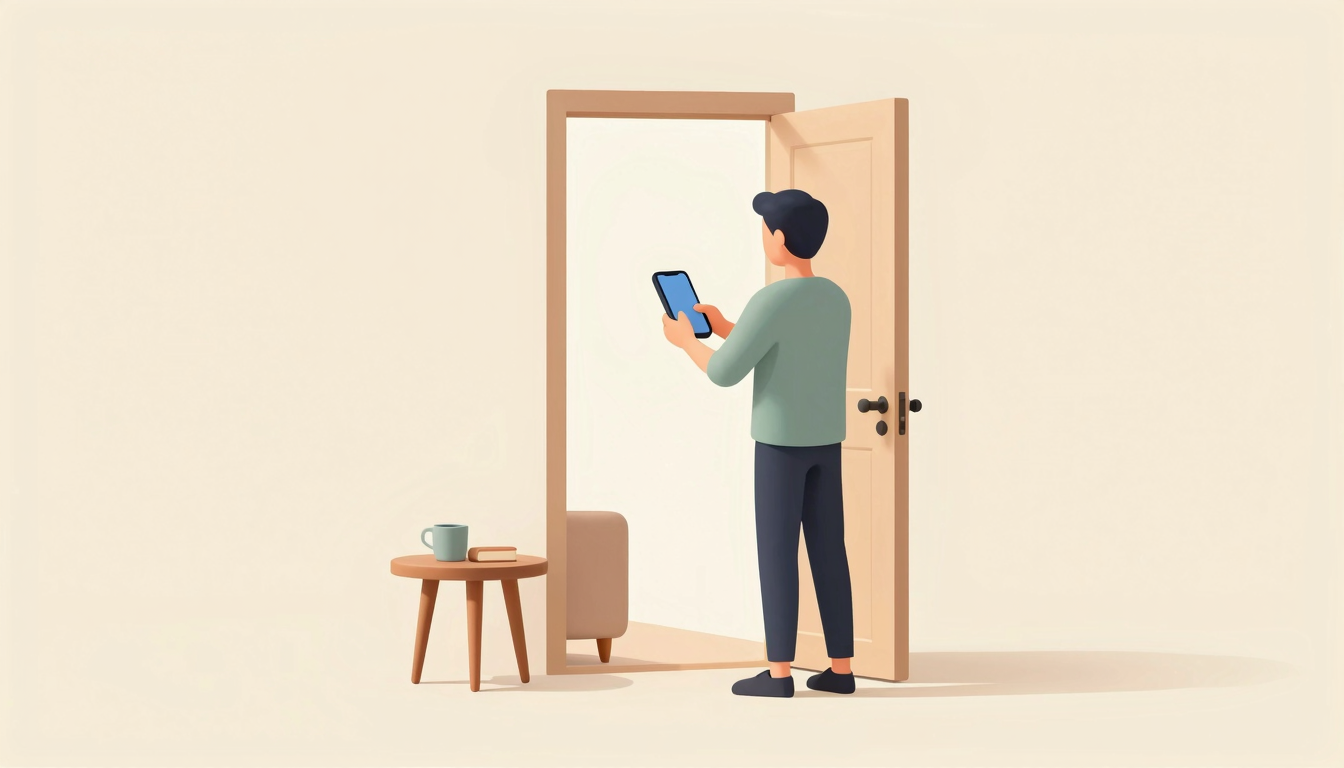
Imagine the alarm going off. Before your eyes are fully open, your hand reaches for the phone. The screen lights up with group messages, social feeds, and notifications. You are still in bed, but your mind is already occupied with other people's affairs. By the time you notice, thirty minutes have passed. Perhaps a whole hour.
You scramble out of bed and rush to work. Even after you sit down at your desk, part of your attention is still on the video you never finished watching. The day passes in a succession of demands to answer. When you lie down that night, the things you meant to do for yourself remain untouched.
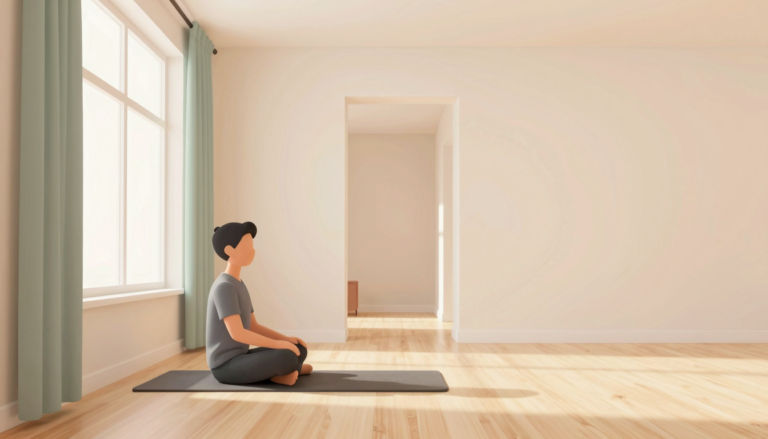
The writer sees a costly habit in treating the first hour of the morning as a warm-up. In their view, those thirty to sixty minutes offer some of the day's best energy and sharpest judgment, yet are routinely given away for almost nothing. What might change if you used that time differently? They propose three practices to try, one at a time.
The first concerns what you do immediately after waking. The writer argues that this initial choice helps determine whose demands will shape the day: your own, or everyone else's. They invoke an unspecified neuroscience account according to which cortisol reaches its daily peak thirty to forty-five minutes after waking, accompanied by concentrated attention and accurate judgment. In the writer's view, opening messages and notifications during this window means handing over your most valuable resources just as they become available. Before you have chosen where to direct your attention, other people's requests have begun setting the pace.
During their first year of freelancing, the writer checked the phone and answered clients as soon as they woke. They believed an instant reply would show reliability and keep clients happy. Instead, entire mornings went into putting out fires. A proposal would be interrupted halfway through; a price quote would be revised three times, then overturned twice. They felt busy, but looking back over the work, they could see how little had actually moved forward.
Eventually, they began charging the phone in the living room and keeping only an old alarm clock in the bedroom. During the first week, their hand still reached out by habit, only to land on the clock. After roughly ten days, they found they could finish the basic structure of a proposal in a single uninterrupted two-hour morning session. Messages waited until the afternoon, and the day felt less pressured. Answering other people's demands first and arranging their own work first had come to mean two very different kinds of day.
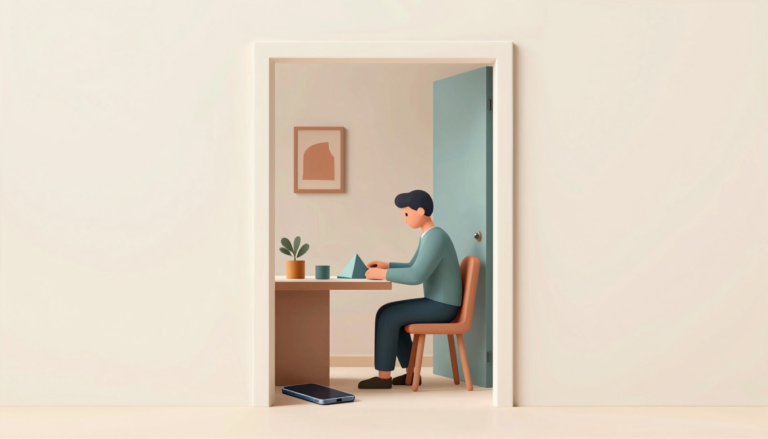
That physical separation is the second practice: put the phone out of sight so it is easier to stay focused. The writer's reasoning is simple. Even a silent phone within reach can keep drawing your attention, inviting you to check it every few minutes. Moving it away takes less effort than continually resisting the urge to look. The distance also adds a few seconds between wanting to check and actually checking—seconds that may be enough to move the task in front of you one step further.
In a related account, the writer describes coming home one day, unplugging the charging cable, and leaving the phone in the living room. Beside the bed, they kept only an alarm clock and a book they intended to read. They avoided scrolling at bedtime and held off when they first woke, too.
At first, the urge to check left them restless, tossing and turning. An attempt to manage it through willpower alone lasted less than three days. Keeping the phone physically out of reach was what helped them sustain the practice. As they continued, their first waking thought became which task to tackle that day. What people had been saying in the group chats felt less compelling, and they felt a steadier sense of direction throughout the day. For the writer, moving the phone away also meant showing the door to the version of themselves that was always on standby for everyone else.
The third practice gives that newly available attention somewhere to go: set your own agenda before responding to the world. As the writer sees it, other people's demands always claim more urgency than the things you want to do. Messages pop up, phones ring, and requests keep changing. Answer every one immediately, and your own work goes to the back of the queue.
Their client negotiations had made the cost of that habit clear. They used to make whatever changes a client requested, spending half a month reworking a single proposal back and forth. By the end, they had lost sight of the direction they had wanted to take.
They eventually set themselves a rule: each morning, choose one core task for the day and finish it before opening messages. They still answered clients who came back with unexpected additional requests, but scheduled that work for later. Over the following months, they found that the work they delivered held together better, their negotiating position improved, and they felt more at ease. They remain glad they put that rule in place.
For the writer, the order matters. Arranging your own day before letting outside demands in gives you a say in its direction; reversing that order leaves you being pushed along by everyone else's priorities. They see the morning as setting the pattern for the day that follows. Their advice follows the same sequence: leave the phone in the living room, finish one task you have chosen for yourself, and then read other people's messages.
Who will you give the first hour of tomorrow morning to?
Frequently asked questions
Why does the writer leave the phone in the living room?
The writer finds physical distance easier to sustain than repeatedly resisting the urge to check. Keeping the phone out of reach helped them avoid scrolling at bedtime and immediately after waking.
Does the writer stop responding to clients?
The writer continues answering clients' unexpected additional requests but schedules that work for later. Their later morning rule is to finish one core task before opening messages.
How quickly did the writer notice a change?
In the first freelance account, the writer reports finishing a proposal's basic structure in an uninterrupted two-hour morning session after roughly ten days. During the first week, they still reached for the phone by habit.