Summary
A worn cup, a creased concert ticket and a chipped keychain hold different chapters of one writer's life, making affection and growing independence tangible.
At a glance
Old keepsakes can connect us to moments of family care, friendship and personal growth that we cannot return to. Through a writer's memories of an insulated cup, a concert ticket and a keychain, they become an emotional savings account: reminders of affection and courage that may offer warmth during difficult times.
A writer recalls recently finding three full boxes of old belongings while clearing out a storage room at home: a sweatshirt worn for three years, its cuffs frayed; notebooks filled with annotations from student days; the receipt for a gift bought for their mother with their first paycheck; and letters exchanged with friends many years earlier.
People around them kept saying these things took up space and should all be thrown away in a thorough decluttering. But handling them made the attachment easier to understand. What felt difficult to discard was the connection to parts of life they could never return to, and to warm moments they had quietly kept for themselves.
Ordinary keepsakes, even enough to fill half a cabinet, could hold a particularly precious kind of savings: an emotional account built from remembered experiences, each one adding a little more depth to a life.
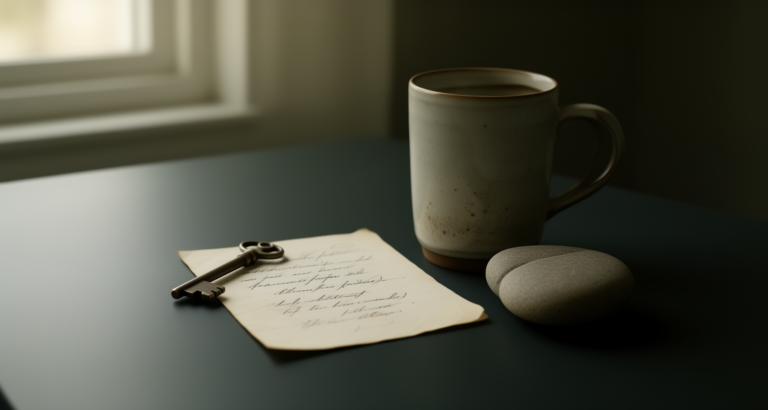
On the writer's desk sits an insulated cup they have used for eight years. So much paint has worn away that its original color is hard to make out. Their father gave it to them when they began university away from home.
Back then, they liked drinking iced milk tea even in winter. When their father learned they had been coughing for half a month, he chose the cup he believed would keep water hot best. As he packed it into their suitcase, he repeatedly urged them to drink eight cups of hot water a day and stop drinking cold beverages so often. Later came more expensive, more attractive insulated cups, but this one stayed with them. After they started working, they still used it for hot water every day.
The winter before recounting this story, the writer was home on sick leave with a fever. Groggy, they reached for the cup beside the desk. Inside, the water their mother had recently poured was still warm. In that moment, they felt that however far they had traveled, their parents' care had never left their side.
That care can be easy to overlook if we expect family affection to require expensive gifts or formal ceremonies. It can also accumulate in ordinary things: the old towels your parents have used for years and resist replacing, a schoolbag they once mended for you, or a fan still turning after more than a decade. Such things may cost little and look shabby, yet they can hold reminders of concern that went unspoken, day after day. Running a hand over one can bring back a moment when you felt cherished.
Other keepsakes carry the warmth of people whose lives have since moved away from our own. The writer had kept a crumpled concert ticket in a drawer. At twenty, they and their closest university friend had saved their pocket money for three months to attend the concert together. They shouted themselves hoarse during the show, then sat on steps beside the road eating instant noodles afterward. There, they promised to see a favorite singer perform together every year.
After graduation, they took jobs in different cities, built separate lives, and saw each other less and less. When the friend married the year before this account, the writer tucked the old ticket into the red envelope they gave her at the wedding. Her eyes reddened when she saw it; she said she had never expected the writer to have kept it.
They never did manage to attend another concert together. But that small, creased piece of paper still held, for the writer, the wholehearted friendship they had shared at twenty and a part of their youth they could no longer return to.
A cinema ticket tucked into a textbook, a graduation album filled with classmates' messages, a note passed between students sharing a desk—youth can leave behind so many small things that seem to have no further use. Time may seem to have softened those friendships and blurred what happened, yet coming across a keepsake can bring a scene back vividly: summer wind blowing across the school field, a late night spent talking with friends about ambitions, the wholehearted enthusiasm of being young. Old objects can seem to keep something of those feelings safe, leaving a way back to what had felt far away.
The worn keychain hanging from the writer's bag recalls another kind of enthusiasm: the willingness to set out alone. They bought it in a local souvenir shop on their first solo trip. They had just resigned from a job and had little money, but set off with a backpack, spending more than twenty hours aboard a traditional green train before exploring an unfamiliar city for three days. After returning, they received an offer from a company they had wanted to join.
Several bags have come and gone since then. The keychain moves to each new one. When work gets difficult, or a night feels impossible to get through, the writer feels its cool surface and remembers the person they were on that journey: someone willing to shoulder a backpack and set off alone. That reminder gives them courage to keep going.
Days can feel repetitive, as though they pass without leaving much of a trace. Yet the things we keep can mark choices and milestones that would otherwise blur together. It might be a first award certificate, the first small lamp bought when living alone, or a commemorative badge from a project that took many late nights to finish.
For the writer, these seemingly inexpensive possessions make growth visible. Seen together, they trace a path from the child who understood little of the world to the adult who can shoulder responsibilities independently. Looking at them can reveal how far someone has come, even when daily life makes that progress hard to see.
The instruction to throw away everything deemed useless leaves little room for this kind of value. Keepsakes with such emotional weight deserve, in the writer's view, to be recognized as personal resources. They form a savings account, with memories, affection, and moments of growth deposited over the years—something that can remain within reach as time passes and life changes.
On a lonely day, when you are exhausted or finding it hard to keep going, coming across a treasured object can feel like drawing on that account. It may bring back the warmth of being loved, of having someone beside you, or of feeling full of enthusiasm. In remembering those moments, you may find a little more strength to go on.