Summary
A phone can remain tempting after its notifications stop. This account examines a reported phone-location experiment, the proposed cost of resisting distraction, and the everyday functions that make separation difficult.
At a glance
The article describes a reported study in which university students whose phones were outside the room scored higher on two cognitive tests. It presents “brain drain” as a proposed explanation: resisting a nearby phone may consume limited cognitive resources even without conscious phone use. The writer recommends physical separation while acknowledging practical reliance on phones and individual variation in concentration methods.
Picture yourself sitting upright at your desk, looking thoroughly serious about studying. You unplug your headphones, say goodbye to NetEase Cloud Music’s daily recommendations, and close WeChat, Zhihu, Taobao, and Weibo: messages, information, shopping, and social feeds, all put away. “Time to study. No more phone.”
Half an hour later: “Am I getting hungry? Should I order some food? Mom and Dad aren’t home today…”
Fine. You surrender and install an app that locks you out of your phone. If willpower won’t do it, perhaps software will. The writer behind the “brain drain” argument grants that enforced restrictions can help curb compulsive phone use a little, but questions whether they are enough to let you study undisturbed. Suppose you leave the messages unread and the feeds untouched, turn off sound and vibration, and simply keep the phone with you. Is that enough? What if you switch it off altogether?
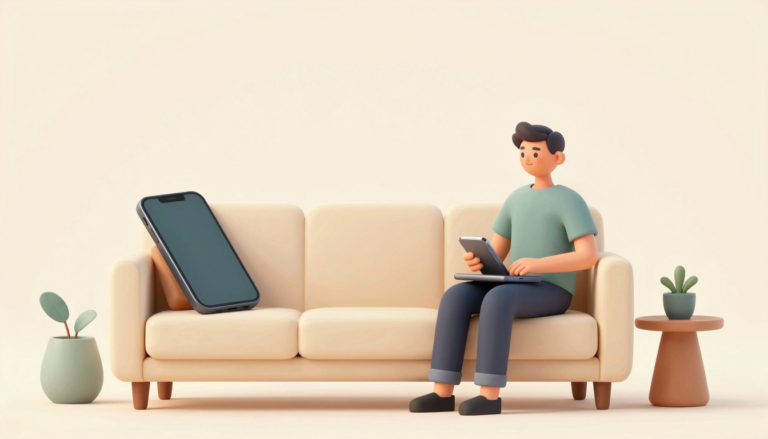
The writer’s answer is provocative: merely sharing a room with your phone could make you “less intelligent.” The proposed problem concerns cognitive performance even without active phone use. Silencing the device or switching it off may leave its presence—and its pull—intact.
The argument draws on a reported study in which a University of Texas researcher recruited more than 500 university students to complete two cognitive tests requiring close attention. The study compared three phone locations: on a desk within sight, in a bag out of sight but still in the room, and outside the room. In the first test, half the participants were instructed to silence their phones. In the second, phones were to be switched off.
According to the reported results, students whose phones were outside the room scored higher in both tests. The writer interprets this as evidence that a phone sharing your room can affect performance whether you can see it or not, and whether it is silenced or switched off.
In follow-up interviews, the higher scorers did not credit their performance to having left their phones outside the room. Those who scored lower did not blame distraction from their phones, either. The writer takes this lack of awareness as a clue that the phone’s influence went unnoticed.
This is the proposed “brain drain” effect: in the writer’s explanation, a nearby phone draws on working memory and reduces problem-solving ability even when you are neither using it nor consciously thinking about it. That explanation extends beyond silence and shutdown to a phone with a dead battery. The image is of a device repeatedly calling your name somewhere beyond conscious awareness. The writer describes this bluntly as becoming “less intelligent” or having your “IQ” lowered.
The familiar debate about phones concerns what a stream of fragmented online information might do to our thinking. Here, the argument reaches beyond the information to the physical presence of the device. But if you are not using the phone—or even thinking about it—what could be taking up those resources?
The study’s author, a decision psychologist, offers an explanation: our cognitive resources are limited, and smartphones are designed to take priority within them at any moment. The writer puts it more playfully: keep a phone nearby and it gets first claim on your mind. Feeling as though you’ve been played all these years?
That priority need not mean consciously thinking about the device. In the researcher’s explanation, the effort of keeping yourself from being distracted by it consumes cognitive resources even while your conscious attention is elsewhere. The writer turns this into a paradox: trying to stay undistracted can itself take some of your attention.
If “I can’t live without my phone” sounds familiar, the writer suggests that you may be among those most affected. The comparison is to putting chocolate beside someone on a diet, or a pack of cigarettes within reach of someone trying to quit smoking. Keeping something you want so close makes resisting it harder. So is there anything we can do to help ourselves?
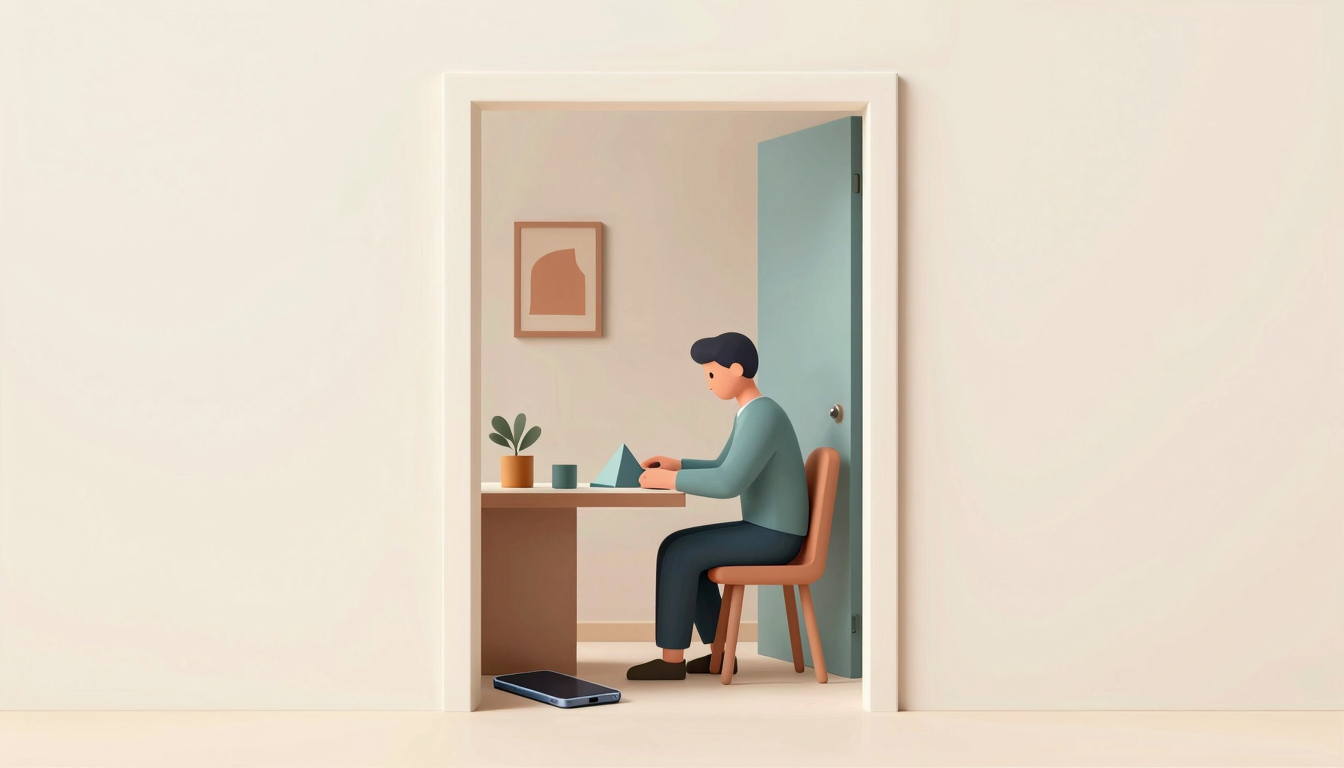
The writer’s direct answer is to put the phone outside the room. Easier said than done, though…
One suggestion is to hand it to someone else: “Hold on to my phone while I go read some research papers.” When you have a lot of work to get through, another is to find somewhere else to study and leave your phone at home, or hand it over to your parents.
The advice also extends to everyday habits. Set out your tasks for the day and check what is still unfinished before you start using your phone. Keep an eye on how much time you spend in each app, and try to cut back on low-quality use. The aim is to reduce time poorly spent while leaving room for useful phone activity.
Yet those useful functions make separation difficult. Alongside the claim that carrying a phone can make you “less intelligent,” consider the questions the writer raises: would you feel anxious without a way to check the time? Would you regret leaving it behind when you needed to pay? Would being unable to listen to music leave you irritated and struggling to concentrate?
The writer calls these possible reactions phone dependence, while conceding that modern life may make such dependence unavoidable. That leaves an uneasy tension between putting the device away and relying on what it does.
The writer still recommends trying methods to improve concentration. Plenty can be found online, though how well they work varies from person to person.
Beyond phone placement, the writer ends with a more confident, playful claim about sleep: get enough of it, make sure it is good quality, and you’ll slow the slide toward becoming “less intelligent.”
Frequently asked questions
What is the proposed smartphone brain drain effect?
In the writer’s explanation, a nearby phone draws on working memory and problem-solving resources even when unused or not consciously considered. The researcher’s proposed mechanism is that resisting distraction consumes limited cognitive resources.
What did the reported phone-location study find?
According to the reported results, students whose phones were outside the room scored higher in both tests. The account describes more than 500 university students and compares phones on a desk, in a bag inside the room, and outside the room.
Does switching off a phone remove its proposed effect?
The writer interprets the reported results as suggesting that a nearby phone can affect performance even when switched off. The account says phones were to be switched off in the second test, in which the outside-room group scored higher.
What does the writer suggest for concentrated work?
The writer suggests putting the phone outside the room or handing it to someone else. When there is substantial work to complete, another suggestion is to study elsewhere while leaving the phone at home or with one’s parents. The article acknowledges that useful phone functions can make separation difficult.