Summary
A repaired chair, faded clothes, and familiar belongings become vessels for remembered years in this reflection on affection, continuity, and quiet companionship.
At a glance
In this reflective essay, old possessions carry meaning through familiar textures, personal memories, and traces of earlier years. For the narrator, even belongings that have lost their practical use can preserve emotional associations. Appreciating them offers a way to carry the past forward while continuing to change with the times.
There is beauty in the word “old”: intimacy, comfort, nostalgia, the freedom to feel at ease. Old possessions let earlier years bloom like flowers in the midst of present life. There is poetry in that familiarity.
Someone puts the wish simply: “I’m going to buy a used bicycle, ride it to the secondhand market, and pick out a few old books to bring home and read.”
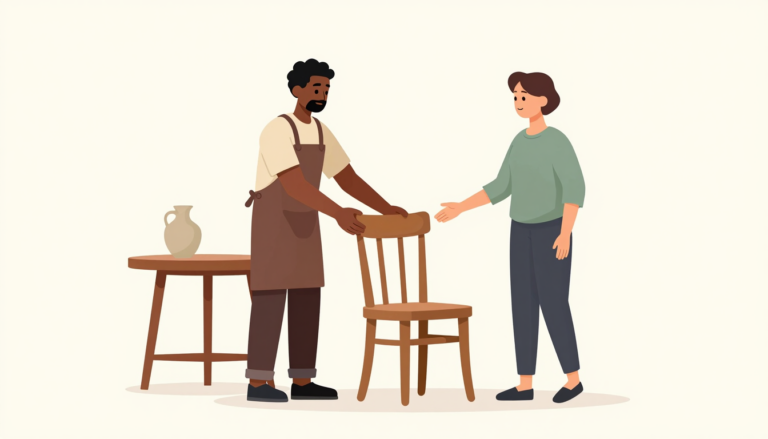
That easy comfort runs through the narrator’s descriptions of worn furniture. An old rattan chair has cracks in its legs and traces of repairs everywhere, yet its worn strands have grown smooth and supple. Sit upright, recline, or lean against it: the chair accommodates each posture with the same comfortable fit.
A bamboo chair creaks as someone settles into it. It accompanies people, in the narrator’s recollection, from childhood to white-haired old age, its bamboo becoming mottled and shabby, its back worn from green to dark red. On summer evenings it is still there, in a corner of the lane, a familiar part of everyday life.
At home, the narrator likes to wear old clothes, curl up in an old rattan chair, and leaf casually through an old book. The clothes have faded so much that their original color is impossible to make out, and uneven wrinkles run through the fabric. Yet they feel soft and warm against the skin, as comforting as a longtime friend. Every thread is familiar, as is the blot of ink on the front—a stain left by accident while playing around with a male companion one year.
Such familiarity gives age a meaning beyond deterioration. For the narrator, being old does not mean being outmoded, falling apart, or decaying. It can mean bearing a mark of time, a memory, a story.
Some say that life has become more convenient but has lost some of its feeling. The narrator remembers the stone paths of childhood and the courtyard homes where they lived, now replaced by asphalt roads and tall buildings. With those places gone, where can the childhood they knew be sought?
Possessions carry their own traces of growing up: deep attachments, the warmth of remembered days, something of the person one has become. In the narrator’s view, their beauty takes time to develop and attentive feeling to appreciate. The familiar can be returned to and savored again and again. Affection for old things can also connect what came before with what comes next, changing with the times and becoming a way of living that carries the past forward.
These belongings record the past and keep it close. A chance encounter can stir a feeling and open a door into memory. For the narrator, seeing such objects, still warm with association, brings a particular recollection to mind—as though the passing years had become a stream whose flow could be heard.
The narrator imagines a past when time moved so slowly that loving one person could fill a lifetime. Against the rush of the present, that romantic image becomes an invitation to slow down and take in what is nearby, including inconspicuous old belongings whose delicate beauty quietly reveals itself.
There is a muted, almost melancholy luxury in these things, something like tears held still. They can move us without a word. In their quiet presence, they tell of former joys and sorrows. People are drawn to nostalgia, the narrator observes, and old possessions have pleasures of their own. Like aged wine, they can gain a deeper character with time.
Even when an old possession has no practical use left, it can still hold something of a life: ordinary days gathered inside it, memories given somewhere to settle. To throw such belongings away one by one is to throw away pieces of ourselves.
The narrator likens old possessions to surplus belongings, things beyond what we need, yet believes that even when time leaves them behind, the spirit of their era remains within them, undiminished. Sometimes we may need to brush away the dust to see the past clearly. What draws us to these things reaches beyond the objects themselves to the many beautiful associations they preserve.
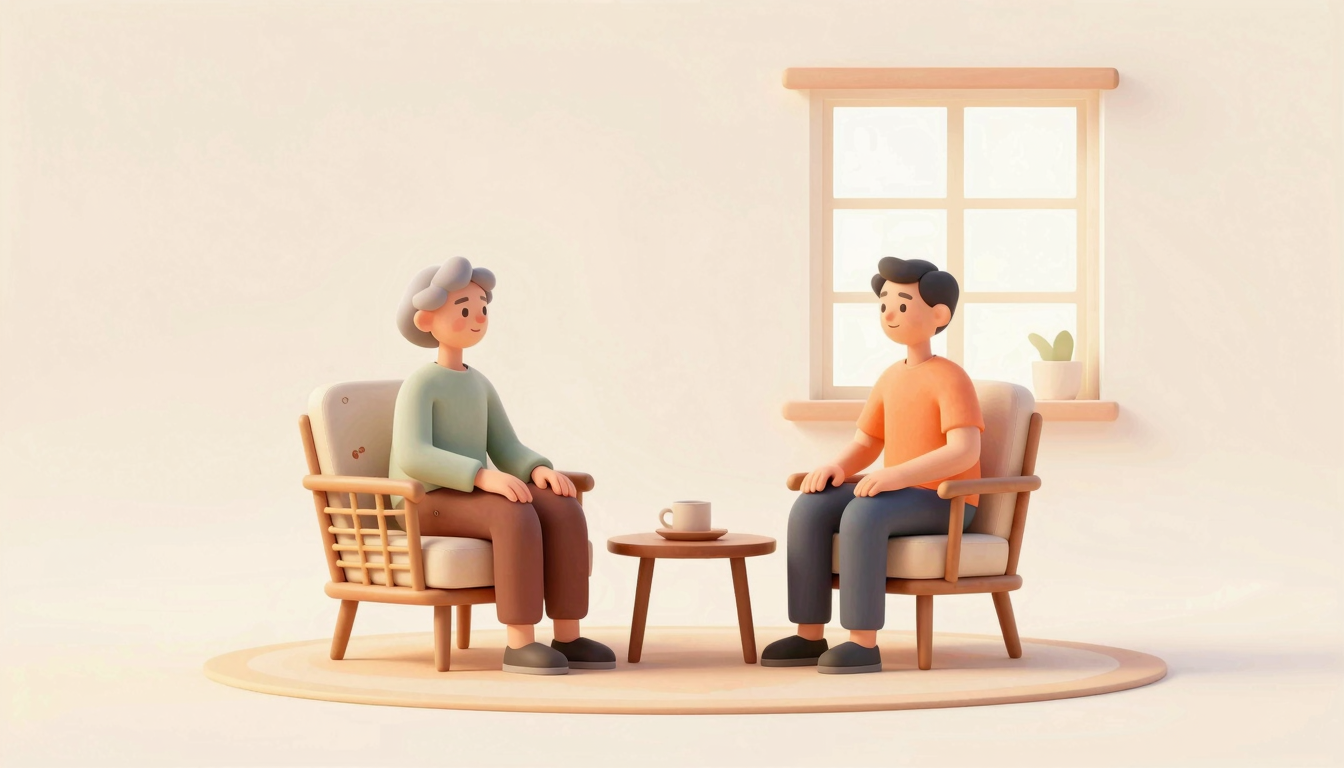
For the narrator, the greatest happiness would be to share life with a longtime companion, tending a home full of old possessions and taking their time recounting earlier years. Those peaceful, unhurried days are something to long for deeply.
Frequently asked questions
Can old possessions matter after they lose their practical use?
For the narrator, even possessions with no practical use left can hold ordinary days and give memories somewhere to settle. Their emotional meaning can remain after their usefulness has ended.
Does appreciating old belongings mean rejecting change?
The essay allows affection for old belongings to develop with the times. It presents that affection as a way to connect earlier life with what comes next.
What kind of happiness does the narrator imagine?
The narrator imagines sharing life with a longtime companion, tending a home full of old possessions, and leisurely remembering earlier years. This is a personal aspiration for peaceful, unhurried days.