Summary
Later life can leave more time to revisit the past while making opportunities for repair feel scarce. The article explores nighttime regret and three possible ways to carry unresolved losses more gently.
At a glance
Bedtime quiet can invite reflection and imagined alternatives to past events, bringing regret, shame, or guilt. Schmidt and colleagues found nighttime regret particularly near sleep onset among participants aged 51–98; when poorly managed, it can impair subsequent sleep. Recognizing shared losses, considering circumstances beyond your control, and setting meaningful new goals may help, even when some past wounds remain unresolved.
“Youth is a blunder; manhood a struggle; old age a regret.” — Benjamin Disraeli
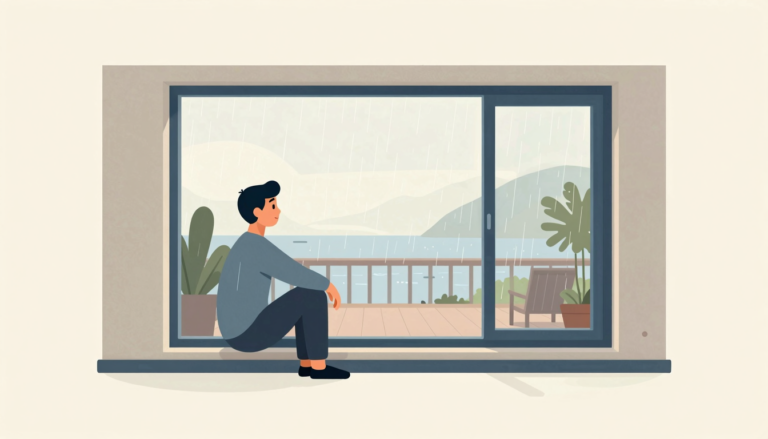
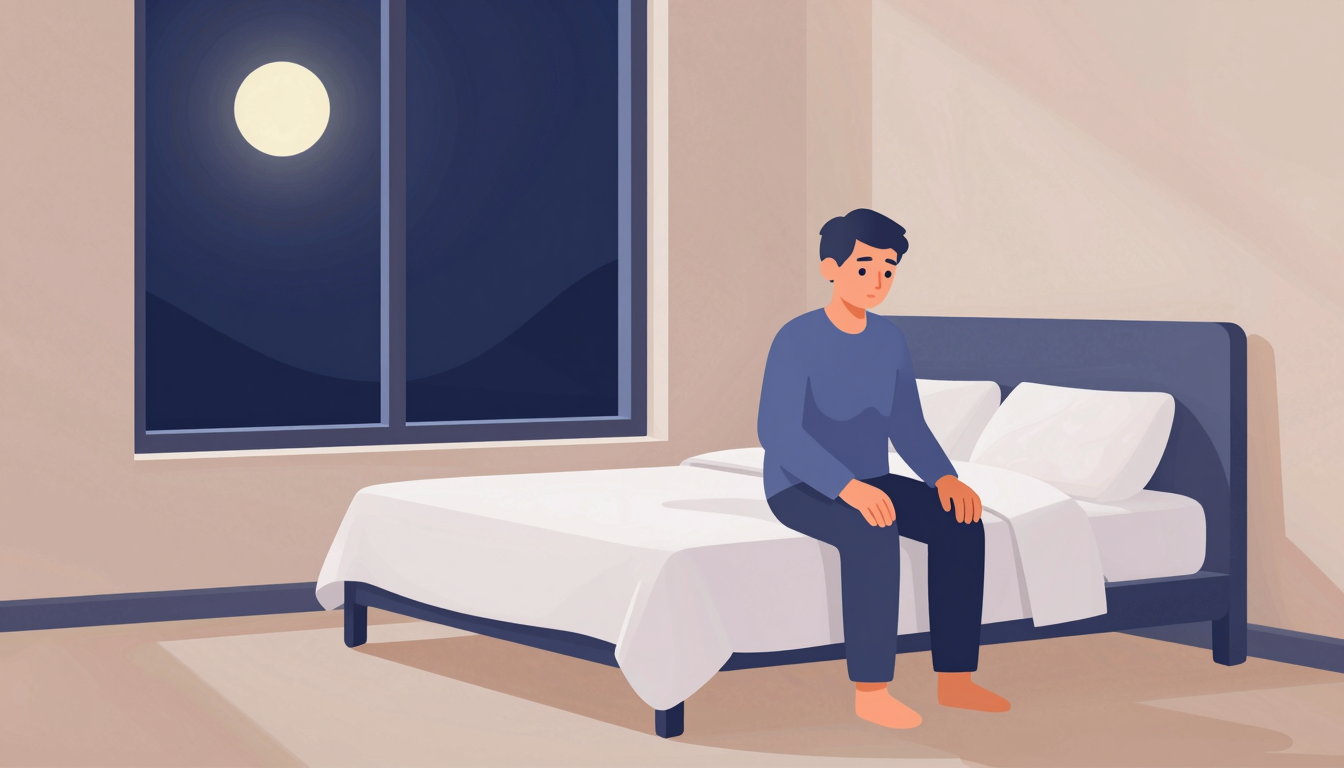
When the world grows quiet at night, have you ever found yourself aching over something you can no longer undo?
Few people pass through life without experiencing regret. Its particular sadness runs through literature, film, and music, and through our own lives: hurting a friend's feelings, missing an important opportunity, loving someone we later believe we should never have loved, feeling we failed in raising our children, or benefiting ourselves at someone else's expense. The possibilities go on.
An ordinary decision can leave us with regret, just as a major life choice can. Sometimes the feeling passes quickly; sometimes it stays.
More time to remember, less time to repair
In later life, people may be especially drawn to looking back, and those reflections can bring self-blame and remorse. Survey research cited in the source article found that as many as 90% of older adults reported having experienced regret.
Part of the explanation lies in the tension between two kinds of time: the time available within each day and the time that remains ahead.
With fewer demanding work responsibilities, older adults may have more daily time to revisit the past and think about their lives. Yet as physical abilities decline and the future grows shorter, they may feel less able to face new sorrows and old grievances. They may no longer see themselves as having the strength, capacity, or seemingly endless opportunities to put things right. Regret can then become especially painful: there is time to remember, but what feels like too little time or ability to make amends.
Regret as a “sunset emotion”
Regret can be a sunset emotion in two senses. It may become more prominent toward the end of life, and it can also reach a peak toward the end of the day.
Schmidt and colleagues studied how regret changes across the day and night. They found that most of the middle-aged and older participants, who were between 51 and 98 years old, experienced regret at night, with the feeling peaking particularly as they tried to fall asleep. This phenomenon is called “nocturnal regrets.”
The setting helps explain the pattern. During the day, daily responsibilities keep us busy. Bedtime offers a quiet interval that belongs to us, with room to review our actions and the course our lives have taken. Our minds may begin constructing alternatives: “If I hadn't done that then, things would be different now.” This is counterfactual thinking—imagining how events might have unfolded differently—and it can bring regret, shame, and guilt.
That makes the period before sleep a particularly vulnerable window. When nighttime regret is not managed effectively, it can impair the sleep that follows.
What do people do when these feelings arrive? Do they let them run their course, or try to take control? And how well do those efforts work?
Schmidt and colleagues also investigated these responses. Older adults often tried to overcome nighttime regret through thought suppression and anxious worrying. Their efforts included forcing themselves not to revisit painful events, trying to push regret out of their minds, and blaming themselves.
Unfortunately, these responses often struggle to provide relief. They may keep the mind cognitively aroused, or make that arousal stronger, potentially triggering insomnia. Around sleep onset, reduced activation in the prefrontal cortex can also weaken attentional control. Trying to suppress regret may therefore cause it to rebound just as a person is falling asleep.
Three ways to ease regret
If pushing regret away can keep it active, what other approaches might help?
Compare with people in similar or harder circumstances
Social comparison can take three forms. Upward comparison means looking at someone who is better off than we are. Lateral comparison means looking at someone in a similar situation. Downward comparison means looking at someone whose circumstances are worse.
For regret, lateral and downward comparisons may offer relief. Bauer and colleagues found that older adults were more able to let go of regret when they recognized that other people had suffered similar losses and disappointments, or realized that their own situation was relatively favorable compared with someone else's. Seeing that others have not escaped life's shortcomings can change how we carry our own.
Recognize the circumstances beyond your control
The causes of conflicts and problems are usually complex. A regretted outcome is rarely easy to explain as one person's fault alone. Uncontrollable factors can have a real influence at a particular time and in a particular situation.
Allowing some appropriate external attribution—recognizing causes outside yourself—can help loosen excessive guilt. Reconsider how an event unfolded and what else shaped its outcome. Some situations could not have been prevented or turned around through your efforts alone.
Set meaningful new goals
Some damaged places in our lives may remain unresolved for as long as we live. Even so, we can still discover and embrace fresh ground.
This remains possible in older age. Someone may lack the energy to tend to old wounds or repair past damage, yet still be able to spend some of their remaining time on activities that are new, interesting, and meaningful.
Try thinking about small goals for the next month, six months, or year. What would fulfilling those wishes mean for your life? Would they make you and the people around you happier? Could pursuing them contribute something to your family or to society, however modest that contribution might be?
In a 2007 intervention study involving older adults who had experienced life regrets, Wrosch and colleagues found further support for the protective role of these three strategies.
As night falls, perhaps you, too, have heard an inner monologue stir, or imagined conversations with people from your life.
May we all reach a day when we can gently kiss the missing piece of our lives and tenderly touch the beautiful scars we carry.
Frequently asked questions
What are nocturnal regrets?
Nocturnal regrets are feelings of regret experienced at night. Schmidt and colleagues found that most participants aged 51–98 experienced regret at night, particularly while trying to fall asleep.
Can trying to suppress regret make falling asleep harder?
Trying to suppress regret may sustain or heighten cognitive arousal and cause regret to rebound near sleep onset. These are possible consequences, rather than inevitable outcomes.
Does recognizing external causes mean giving up personal responsibility?
The article recommends appropriate external attribution: recognizing that complex outcomes can include uncontrollable circumstances. It does not suggest that personal responsibility is always absent.
Can new goals help when past damage cannot be repaired?
Meaningful new activities may remain possible even when older adults have limited energy or time and some wounds remain unresolved. The article suggests considering small goals for the next month, six months, or year.