Summary
A friend's heartfelt tribute after an esports retirement raises a larger question: why do fan farewells hurt? The article explores interrupted attachment, the added pain of dismissal, and ways to find comfort.
At a glance
A fan's goodbye can hurt because it interrupts an emotional attachment and the continuity they hoped to keep. Dismissive reactions can add shame and reduce opportunities to receive support. Understanding and support may help; if sadness feels overwhelming, a temporary break and other social activities can offer room to adjust. Related material can also provide some comfort, even though it cannot restore what was lost.
A favorite player retires. A beloved team disbands. News breaks that someone you admire has died. A television series you have followed for years reaches its final episode.
Whenever something like this happens, the outpouring of sadness from fans is hard to miss. But why can these goodbyes hurt so much?
Several years ago, a friend of mine felt low for a long time after an esports player retired. He even posted a tribute so embarrassingly earnest that I teased him about it for ages.
His reply was simple: “Sure, it was cringe. But I've never regretted posting it.”
That stopped me for a moment. Part of me still thought he was just being stubborn about his melodramatic post. But I also began to wonder: why was he hurting so much?
Why a fan's goodbye can hurt
An emotional attachment is interrupted
Attachment was first observed in the relationship between mothers and infants: when an infant is separated from its mother, anxiety and distress can follow.
The concept of emotional attachment extends beyond that relationship. We can develop a close connection with a person, a place, a brand, or an object because that connection meets a need. We want it to remain stable. We do not want the person or thing to leave, or the relationship to change. When the connection can no longer continue, we may feel pain.
A fan's feelings toward someone they admire can be understood as a form of emotional attachment. At its heart is a strong wish for continuity: fans want a steady emotional connection that can last.
When that person retires or disappears from public life, the attachment is abruptly interrupted. Fans have to face the fact that the connection cannot continue as it did before. That can hurt.
Support can disappear when it is needed
The dynamic-effects model of social support also offers an explanation. Whether we can receive support from other people affects our emotions. Losing access to their help can itself be painful.
Yet when fans express sadness about a loss, they often encounter reactions such as:
“It's only a TV show.”
“He doesn't even know you. What have you got to be sad about?”
These are just some of the ways people dismiss a fan's feelings. Often, though, expressing pain is also an attempt to find comfort. Responses like these stigmatize that pain and can close off sources of support that might otherwise have been available.
Sometimes the dismissal becomes openly contemptuous:
“Only a mindless fan would get upset about this.”
“Imagine being miserable over someone who has nothing to do with your real life. Fans are so stupid.”
“He's just making a fuss over nothing. Ignore him.”
Comments like these make distress seem shameful, as though fans are inventing problems because they have nothing better to do. They can become afraid to say how they feel. Some begin to accept the judgment themselves.
“This is embarrassing. Why am I hurting? Am I even supposed to feel this way?”
Shame becomes salt rubbed into an existing wound. The original sadness is still there, now with another layer of pain on top.
And what about the people who had wanted to help? Hearing those reactions may make them hesitate: “Maybe I shouldn't be supporting them.” Taking away that help is like taking away a bandage and adding another wound. Fans lose support as well as the connection they were already mourning.
The pressure works from both directions. It erodes a fan's courage to ask for help while reducing the chances that someone else will offer it. The hurt keeps stacking up.
Finding a way through the sadness
Start with understanding and support
Understanding and emotional support are the first place to begin. Research cited on social support suggests that help from family, friends, and the wider community can ease anxiety, whether that help is material or emotional.
But what if reassurance alone is not enough to help you move through the sadness?
Take a temporary break and do something with others
If the sadness feels overwhelming, it can help to step away for a while from the situations that keep bringing it to the surface. Other social activities offer somewhere else to put your attention.
For a fan of a retiring esports player, that might sound like: “I don't feel like watching matches right now. I'll go play ball with my friends and get some exercise instead.”
Think of it as temporarily leaving one group chat to spend some time in another. You can give yourself room to adjust, then come back when you feel ready.
Find ways to keep a connection
Something that helps maintain a connection with a person or thing you have lost can also bring relief.
When a television series or novel ends, fans often look for extra stories or behind-the-scenes material. Some write fan fiction themselves. Staying involved with related material lets them imagine that the story is still unfolding.
A retired esports player's livestreams can serve a similar purpose. They offer fans an imperfect substitute for what they miss, enough to bring a little comfort even though things are no longer the same.
What fans and their friends can take from this
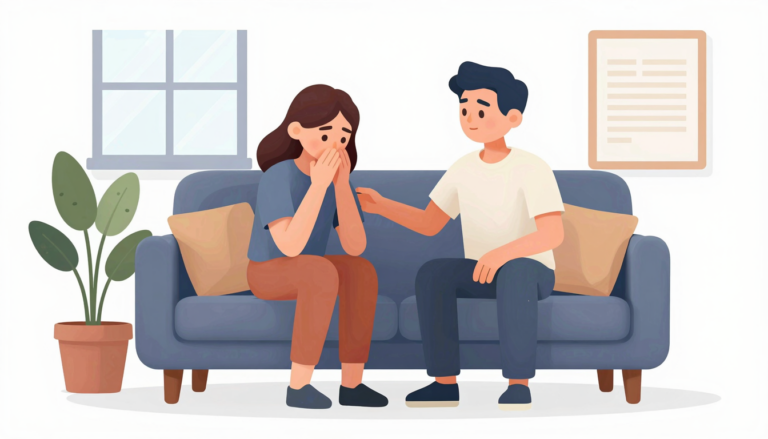
If you are a fan, your distress is normal. Other people's inability to understand it does not mean you need to feel ashamed. You can ask for help openly and take steps toward feeling better.
If someone you care about is hurting after a farewell like this, understanding and support matter a great deal. How you respond can make a difference to someone already struggling with a loss.
Frequently asked questions
Why can dismissing a fan's sadness make it worse?
Dismissal can add shame to the original sadness, make fans hesitant to ask for help, and cause potential supporters to hesitate about offering comfort.
Can taking a break help when a favorite player retires?
If sadness feels overwhelming, temporarily stepping away from matches or other reminders and spending time in other social activities may offer room to adjust. You can return when you feel ready.
How can related stories or livestreams bring comfort?
Extra stories, behind-the-scenes material, fan fiction, or a retired player's livestreams can help maintain a sense of connection. They offer some comfort as an imperfect substitute, even though things are no longer the same.