Summary
An interruption can drain attention and create pressure while also offering social connection. A three-week workplace study examined how these competing effects relate to job satisfaction.
At a glance
Work interruptions can create social interaction that strengthens belonging and improves job satisfaction, helping offset resource depletion and stress. The reported benefits were stronger with greater autonomy and tasks that depended heavily on teamwork. Interruptions still carry costs: employees should avoid frequently interrupting others, engage constructively when time allows, and decline directly when they genuinely have no time.
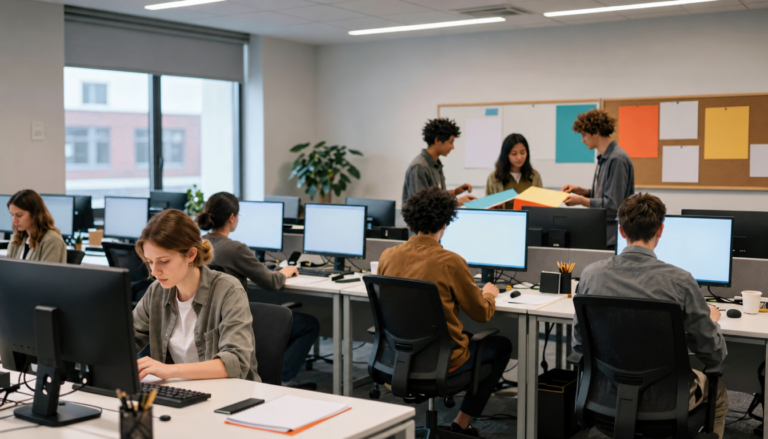
Imagine you are working in the office when a colleague walks over to chat. You have to stop what you are doing to respond. You have just experienced a “work intrusion”: an interaction that interrupts an ongoing task.
These interruptions are common across industries. Research by Wajcman and Rose in 2011 reported that employees experienced an average of three work intrusions per hour and as many as 22 in a day. Their frequency has made them a subject of considerable research interest.
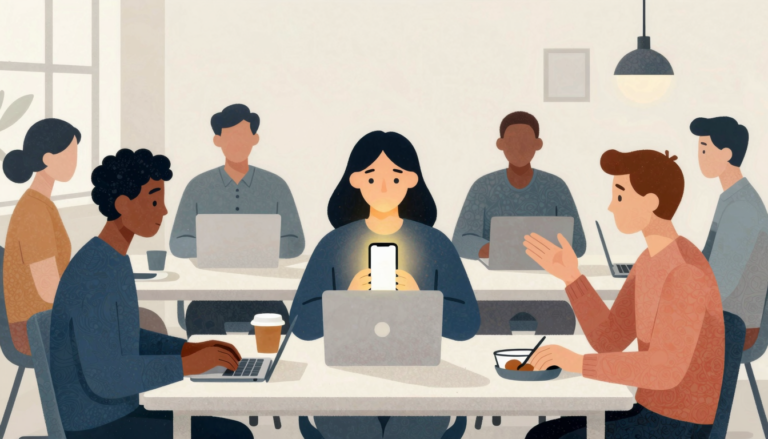
It is easy to see why interruptions have a poor reputation. Previous studies have found that they can extend the time needed to finish tasks, lead to more errors, and even cause employees to forget what they were supposed to do. Other researchers have argued that interruptions leave people feeling they have less time for their current work, sharply increasing their sense of pressure.
Yet the effects are not entirely negative. When someone is doing a boring, simple task, for example, a brief distraction can help them return to it with greater engagement.
That raises a broader question: when work is interrupted, can anything offset the harm caused by depleted self-regulatory resources and stress?
Three ways interruptions can affect job satisfaction
Three researchers based in the United States—Harshad Puranik, Joel Koopman, and Heather C. Vough—examined this question by focusing on employee job satisfaction. They proposed three pathways through which work intrusions could make employees feel better or worse about their jobs.
The first concerns the task itself. Moving attention away from an ongoing task, directing it toward something else, and then returning to the original task consumes limited self-regulatory resources. Repeated switching can leave employees exhausted and less satisfied with their work.
The second concerns emotional experience. The stress that comes with an interruption can also reduce job satisfaction.
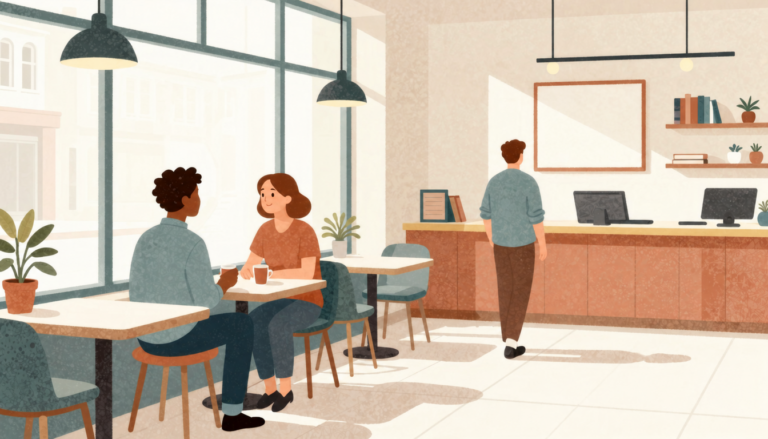
The third concerns social connection. People need everyday social interaction to feel that they belong. The researchers’ reasoning rests on the idea that this basic need developed through human evolution and that satisfying it supports psychological health. An interruption may disrupt an employee’s work, but it also creates an interaction with the person doing the interrupting. That contact can satisfy the need to belong and, in turn, improve job satisfaction.
An interruption can therefore carry competing effects: it can consume resources and create pressure while also providing a sense of connection.
What the study examined and found
The researchers emailed invitations to 120 people to take part in a study lasting three weeks, or 15 working days.
At noon each day, participants received an email questionnaire measuring their perceived level of work intrusion, depletion of self-regulatory resources, sense of belonging, and work stress. A second email at the end of the workday measured their job satisfaction. The final usable dataset contained 1,147 participant-days from 111 participants.
The study found that work intrusions could give employees a greater sense of belonging and improve job satisfaction. The belonging gained through these interactions also helped mitigate the negative effects of resource depletion and stress.
The researchers reported that this positive effect was unaffected by the employee’s relationship with the person interrupting them, their years of work experience, or their average daily working hours. It was also unaffected by the intensity of multitasking or the complexity of their work.
Two other conditions strengthened the positive effects. One was having more control over how to organize one’s work. The researchers suggested a possible explanation: employees with greater autonomy may be able to adjust their plans promptly after an interruption, without worrying that it will seriously disrupt their work. This was a proposed explanation for the finding.
The other condition was teamwork. When employees were working on tasks that depended heavily on collaboration, the positive effects of work intrusions were stronger as well.
Managing interruptions with perspective
These findings invite a calmer, more measured response to being interrupted. The disruption is real, but the interaction may also meet a social need that contributes to satisfaction at work.
For employees, this means avoiding frequent interruptions of other people’s work while approaching interruptions to their own work with composure. When time allows, engaging constructively with the person who approaches can make room for the social benefits. When there genuinely is no time, it is reasonable to decline directly.
For employers, the implication is to manage work intrusions appropriately rather than try to eliminate them altogether. Giving employees greater autonomy is one way to help them accommodate interruptions and make better use of the social connection those interactions can provide. With appropriate management, that connection can support greater job satisfaction.
Frequently asked questions
What is a work intrusion?
A work intrusion is an interaction that interrupts an ongoing task, such as a colleague approaching to chat while someone is working.
Are work interruptions always beneficial?
Interruptions can extend task completion time, increase errors, cause employees to forget intended work, and create pressure. Their social interaction can also strengthen belonging and improve job satisfaction. A brief distraction may improve engagement specifically during boring, simple tasks.
When were the positive effects of work interruptions stronger?
The reported positive effects were stronger when employees had greater control over organizing their work and when their tasks depended heavily on teamwork. The suggestion that autonomy helps employees adjust their plans after an interruption was a proposed explanation.
How should employees respond when a colleague interrupts?
Employees should avoid frequently interrupting others and approach interruptions to their own work calmly. When time allows, constructive interaction can make room for social benefits. When there genuinely is no time, it is reasonable to decline directly.