Summary
Rejection can unsettle both belonging and the body. This article explores social pain, a possible shared alarm system and ways to seek connection without forcing yourself to fit in.
At a glance
Social pain is suffering associated with damaged or threatened connections, including rejection, bereavement and separation. Research discussed in the article suggests that physical and social distress may share a neural alarm system, without making them identical. Turning toward supportive relationships, recognizing existing sources of connection and remaining open to intimacy are the article’s main approaches to relief.
To say goodbye is to die a little, to leave a little of ourselves with what we love. Whenever, wherever, it is always sorrow of the soul. —Haraucourt
When we think about painful moments in a person’s life, we often think first of severe physical pain: childbirth, kidney stones and other experiences that hurt the body directly. Yet losing someone we love or going through a breakup can also bring bodily suffering, even when the loss itself poses no direct threat to our physical safety. Sometimes that suffering disrupts everyday life.
Literature has long described this connection. In Dream of the Red Chamber, Lin Daiyu is heartbroken and despondent on the night Jia Baoyu marries; having exhausted her tears, she dies. The line associated with The Long Goodbye—“To say goodbye is to die a little”—expresses a similar sense of loss. Calling our reactions to exclusion, rejection or separation painful is more than literary exaggeration.
Medicine also recognizes a condition called broken-heart syndrome. The physiological account presented here describes a major emotional shock, such as a breakup or bereavement, prompting the sympathetic nervous system to release large amounts of catecholamines, acetylcholine and related substances. It attributes weakened ventricular contractions and a rounded change at the heart’s apex to this excessive release, producing symptoms resembling those of a heart attack, including severe chest pain or difficulty breathing. This account also maintains that heart function itself has not been damaged, attributing the episode to the heart’s response to emotion.
Heartache is only one part of a wider experience. Psychology uses the term social pain for suffering that arises when our connections with other people are damaged.
What social pain means
Panksepp and his colleagues first proposed the concept of social pain, identifying pain as a major component of the emotional response to losing social bonds.
One definition describes it as bodily suffering arising from actual or potential psychological distance between ourselves and close others or social groups. Rejection, the death of a loved one and forced separation can all create that distance. The idea resembles Bowlby’s account of infant attachment: when the physical distance between an infant and a caregiver exceeds a certain point, the infant becomes distressed.
Another definition focuses on threatened social connection or the feeling that a relationship has been devalued. Relational devaluation means feeling less valued as a relationship partner—a friend, for example—than we want to be. The bodily discomfort accompanying embarrassment, shame, guilt or jealousy can fall within this account when those emotions arise from a gap between the value we hope to have in a relationship and the value we feel we have.
The television series Rebooting offers an illustration of what can be lost. Its heroine eventually becomes successful in one sense, yet her concentration on accumulating moral merit causes her to miss the opportunity to become friends with her childhood companions. Achievement does not erase the absence of those connections.
Why a damaged connection can hurt
A possible shared alarm system
A substantial body of research suggests that physical and social pain may depend on a shared neural alarm system. Such a system would detect cues that could threaten survival, including bodily danger and social separation, then draw our attention and coping resources toward reducing the threat or harm.
The dorsal anterior cingulate cortex, or dACC, has been associated with social distress in humans and other mammals. The distinction here is between the sensation of pain and the alarm or distress it produces: the anterior cingulate cortex is described as functioning more like an alarm system than as generating pain sensation itself.
Reports from patients who underwent cingulotomy for chronic pain illustrate that distinction. They could still feel pain afterward, but it no longer troubled them in the same way. Feeling pain and being distressed by it are therefore separable aspects of the experience.
In a functional MRI study identified here as Eisenberger and colleagues’ 2004 research, participants appeared to play an online ball-tossing game with other people. In fact, a computer controlled the game, creating situations of social acceptance and exclusion. Participants expected the others to throw them the ball; when that expectation conflicted with what happened, activity in the anterior cingulate region increased.
The right ventral prefrontal cortex, or RVPFC, is also described as influencing the experience of pain by regulating cingulate activity. Together, these findings support a possible overlap in how the brain detects and regulates physical and social distress, without making the two experiences identical.
Our dependence on one another has an evolutionary history
Mammals remain immature for a relatively long time. Over the course of evolution, social animals able to form strong relationships and live in groups were more likely to survive, reproduce and raise offspring to reproductive age. For social animals such as humans, exclusion from the group often meant death.
Under those conditions, mechanisms for recognizing and responding to threats to belonging would have helped animals adapt to changing circumstances of inclusion and exclusion. This evolutionary account explains why humans and other mammals have a lifelong need for social connection, and why the breaking of those connections brings distress.
Pain also changes what we anticipate. Someone bitten by a dog in childhood may come to fear dogs. Similarly, after a painful experience, we may fear not only pain itself but situations in which it could happen again. This fear, resembling a conditioned response, can guide us toward approaching or avoiding situations in ways that help prevent further injury.
Why some people feel social pain more intensely
Physical pain can affect social sensitivity
Physical pain can influence how sensitive we are to social pain. Compared with healthy control groups, people experiencing chronic pain are more likely to show an anxious attachment style. This involves paying closer attention to a partner’s commitment and having greater fears about social evaluation and exclusion.
Infants experiencing physical pain are also described as feeling separation-related social distress more readily and more frequently when apart from their caregivers.
Personality can shape the experience
The personality account presented here portrays introverts as more sensitive to pain and less tolerant of it. Fear of rejection can make them more inclined to avoid situations in which they might be hurt, and their reactions to social pain may be stronger. Rejection anxiety also matters: someone highly sensitive to rejection may interpret a new partner’s ambiguous behavior as deliberate rejection.
Extroverts, by contrast, are described as more willing to express their pain, more socially confident and more likely to expect acceptance. Being less afraid of rejection or injury in social situations, they are portrayed as more able to tolerate social hurt.
Finding relief from social pain
Give attention to what still holds you together
Social pain is real. The argument here nevertheless places whether that pain becomes a source of ongoing distress in our own hands.
Someone we like may reject us. A group may exclude us. Trying to fit into a particular circle may be exhausting. But instead of attending only to the parts of life that feel broken, we can also take stock of what remains: the people who continue to love and support us, and our own efforts to learn, improve and grow. These are the threads that stitch the parts of us together and help make us who we are.
Social pain can move us away from connections that harm us and toward groups that accept us. We do not have to fit in all the time, or organize our lives around other people’s judgments. A stable sense of self comes from recognizing and accepting who we are.
Turn toward other sources of connection
Research described in the article suggests that greater social support can reduce social pain.
The biopsychosocial model of pain explains bodily symptoms through dynamic interactions among biological, psychological and social factors. Those influences run in both directions. Factors that strengthen resilience, including emotional support and good health, are described as promoting healing and reducing the likelihood that pain becomes chronic.
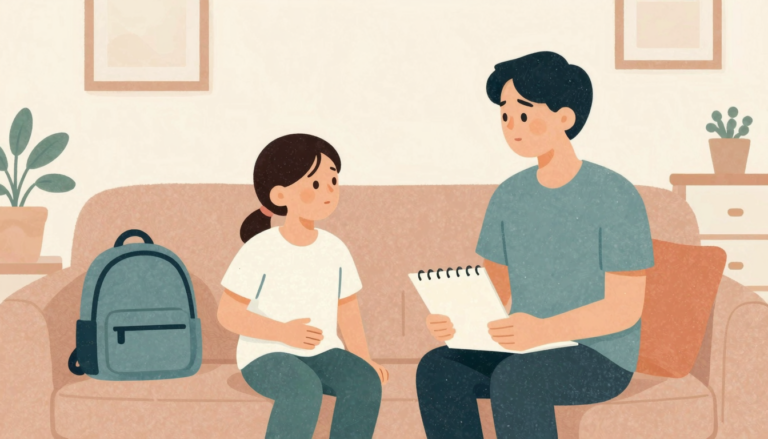
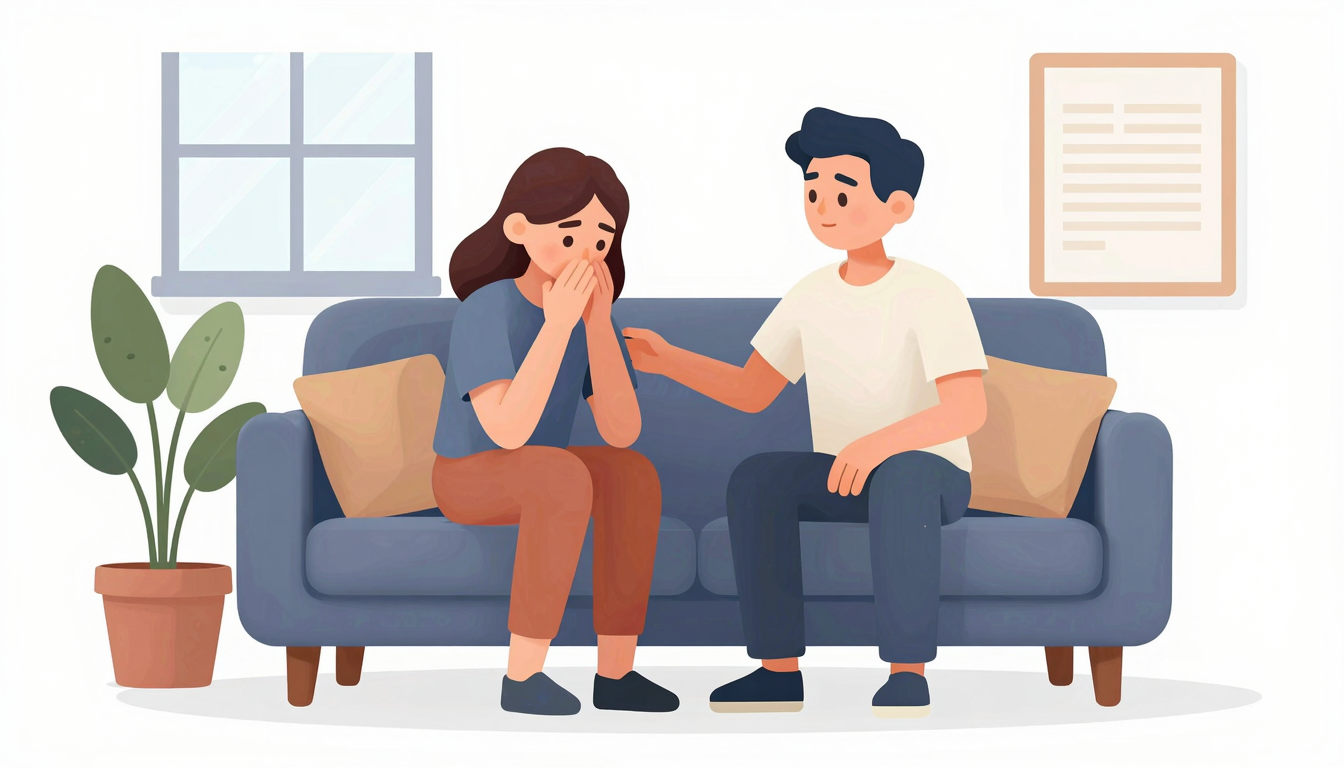
We live through connections with others, so it is painful when those connections are severed. A wound in one relationship can be met with care from another. When one bond brings rejection, we can turn to other people close to us—parents or peers, for example—for support and help.
Support can take many forms. Talking about what happened offers a way to release emotion. Sometimes simply being with someone close is enough to restore a sense of safety.
Consider medication only as a last resort
The medication discussion describes certain drugs as having similar effects on physical and social pain. It cites opioids as reducing physical pain and social pain in animals and humans. It also describes some antidepressants used to relieve pain associated with social stressors as having effects on physical pain.
Medication is presented here as a last resort, to be used under a doctor’s guidance. The preferred long-term approach is to pursue personal growth and changes in outlook without depending on medication to manage the distress of social pain.
Leave room for intimacy
Social pain reminds us how valuable a bond can be. In our evolutionary past, that value was closely tied to survival. Someone suffering heartbreak may be experiencing substantial bodily pain, rather than merely being dramatic.
We may not be able to take that pain away, but we can offer support. At the right moment, a hug can be one way to do so.
Social pain can also encourage us to find people with whom we truly belong. If you have not found that place yet, that is all right. Forcing yourself to fit in ultimately hurts you. Living alone, comfortably and happily, is a valid way to live.
Still, do not close your heart simply to avoid being hurt. We need intimate relationships for an inner sense of safety. Social connection does not always bring pain: a good relationship can meet our needs for belonging and love, bringing order and peace to the heart in a complicated world.
Frequently asked questions
Can social pain arise before a relationship actually ends?
Yes. The article’s definitions include actual or potential psychological distance, threatened social connection and feeling less valued as a relationship partner than one wishes to be. An accomplished separation is not required.
Are social pain and physical pain identical?
The article describes a possible overlap in the neural systems that detect and regulate physical and social distress. It distinguishes pain sensation from the alarm or distress associated with it and does not make the two experiences identical.
What forms of support may help with social pain?
The article suggests turning to close people, such as parents or peers, for support. Talking about what happened can offer emotional release, while simply spending time with someone close may restore a sense of safety.
How does the article approach medication for social pain?
Medication is presented here as a last resort, to be used under a doctor’s guidance. The article favors personal growth and changes in outlook as the long-term approach and supplies no dosing or treatment-selection criteria.
Does accepting solitude mean giving up on intimacy?
The article accepts comfortable, happy solitude and discourages forcing yourself to fit into a group. It also encourages remaining open to intimate relationships that can provide safety, belonging and love.