Summary
Three unopened boxes prompt a question about keeping the past. Photographs preserve their stories, while a cleared entryway makes room for a living plant.
At a glance
For the narrator, photographing long-unused keepsakes preserves reminders of their stories while freeing physical space. The approach includes capturing distinctive details, organizing photographs by year, and recording places and memories. The two personal accounts include sadness or disorientation before relief; they do not establish that every meaningful possession should be discarded.
Photograph the memories. Give yourself back the space.
Three cardboard boxes sat on top of my shoe cabinet. I hadn't opened them in the three years since I moved.
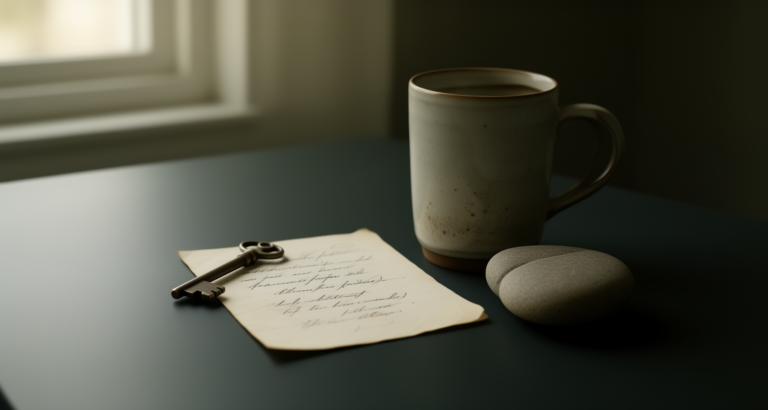
Last weekend, I finally got tired of looking at them and took them down. Inside were stones I'd bought on work trips, shells I'd picked up at the beach, music festival tickets, and a little wooden figure a former girlfriend had given me.
Every object had a story. Every object was also gathering dust.
A thick layer covered the wooden figure's eyes. As I wiped it away with a damp cloth, I noticed that one arm had broken off at some point, been glued back on, and cracked again.
That was when I found myself asking: What am I actually keeping these things for? To remember the people connected to them? To have something to look back on when I'm old? I hadn't even noticed they were falling apart. I certainly wasn't spending time looking at them.
I picked up my phone and photographed each one. I captured the spiral marking on the side of a stone, the crack along a shell's edge, and the faded lettering on the tickets. I took a close-up of the wooden figure's broken arm, too. Then I organized the pictures into albums by year and added the places and stories that went with them.
Afterward, I put the objects in garbage bags, carried them downstairs, and dropped them into the recycling bin.
On the way home, I felt a little disoriented, as though something were missing from my hands. But when I opened the door, the top of the shoe cabinet was clear. The whole entryway looked brighter, as if a breeze had swept through it. The cardboard box I used to trip over was gone. I could walk through without having to dodge around it.
The effort of guarding the past
You might think it's a shame to throw those things away. I used to feel that way, too.
But I've come to think that what wears us out isn't the memories themselves. It's the effort of standing guard over them.
Every day, you tell yourself you can't throw these things away: that would mean letting the past down. Yet every day, you see them gathering dust and feel that you're letting your present life down instead.
After taking the photographs, I hadn't looked at them again, but that didn't worry me at all. I knew they were there on my phone. If I wanted to see them, I could open them. If I didn't, they could stay where they were.
Objects are inert. Memories are alive. A stone can't remember that afternoon by the sea. But when I look at its photograph, the afternoon comes back to me.
A friend thought I'd lost my mind when I told her what I'd done. She had kept every travel ticket from her four years at college, all stored in a tin.
I asked her to bring it out and photograph the tickets one by one while I was there. Then she put the tin back on the bottom shelf of her bookcase.
“Try leaving it there,” I said. “Don't touch it for a month. Then come back to it.”
A month later, she told me she hadn't thought about the tin at all. I then suggested scanning the tickets into cloud storage. She did, and the tin went to the secondhand recycling station downstairs.
Her eyes filled with tears at the time. But the next day, she messaged me: the space on her bookshelf now held a row of newly bought pothos plants. Looking at them made her feel lighter, as though something had opened up inside her.
What remains when the objects are gone
If you asked me where my keepsakes are now, I'd say the stones may be mixed into the sand and soil at a construction site, the shells are lodged between rocks in an area of reclaimed land, the tickets have already burned to ashes, and the wooden figure is probably somewhere in a scrap yard's pile of plastic.
Is that a shame? I don't think so. They had done what they came into my life to do. They accompanied me through that stretch of the journey. I want to travel the rest of it more lightly.
I gathered the photographs into a folder called “The Past.” Sometimes, when I can't sleep at night, I scroll through it.
The picture of the stone with the spiral marking brings back the hour I spent crouching beside Qinghai Lake, choosing stones. The faded festival ticket reminds me who I went with and the beef noodles we ate afterward. He insisted on adding cilantro, and I picked all of it out and put it into my own bowl.
For me, having those pictures on my phone serves the same purpose as keeping the objects beside me. The objects aren't easy to take along. The photographs go wherever I go. When I get a new phone, I transfer the data, and they're still there.
When I'm gone someday, perhaps the pictures will pass to my younger sister. She can look at them if she wants. If she doesn't, she can delete them without feeling bad. They won't be a box of old stuff taking up space in her home.
Room for what is here now
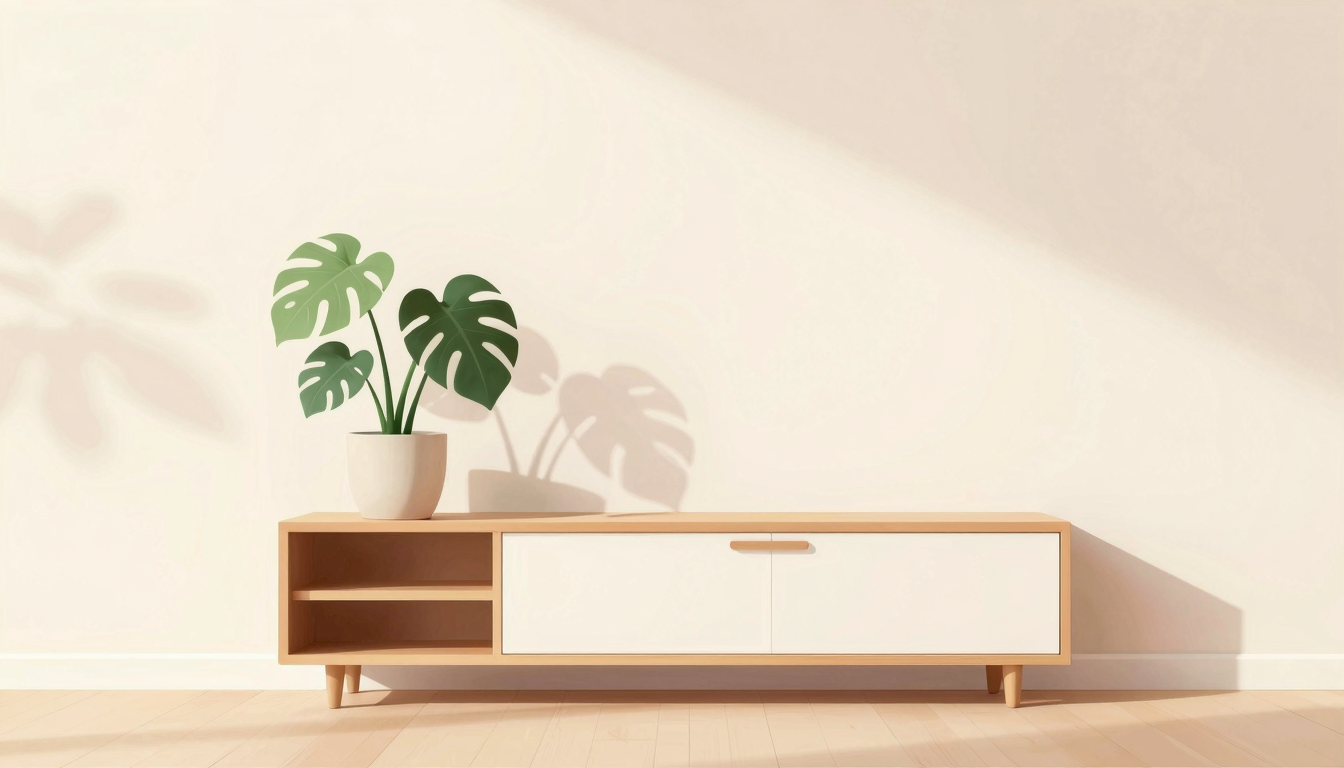
Last weekend, I looked over the top of the shoe cabinet again. It was clean enough to see a reflection in it. A monstera now stands there, its green leaves glossy and bright.
After watering it, I took a photograph. A strange thought occurred to me: perhaps in a few years, this plant, too, will be a heap of dead leaves. But my phone will still hold the image of it as it is now, full of life.
Memories aren't tethered to objects. We carry them within us.
Donate the objects; the memories won't run away. Photograph what they hold for you, and give yourself back the space.
If you have a box at home that you haven't touched in three years, take it out. Photograph what's inside. Then let go.
You will find that what opens up isn't just the top of a shoe cabinet. It's the part of you that has been holding itself tense all this time.
Frequently asked questions
What details does the narrator photograph before letting go of keepsakes?
The narrator photographs distinctive features, including a stone's spiral marking, a shell's cracked edge, faded ticket lettering, and the wooden figure's broken arm. The pictures are organized by year, with the places and associated stories added.
Does letting go feel immediately easy in these accounts?
No. The narrator feels disoriented after disposing of the objects, and the friend becomes tearful when her tin goes to the secondhand recycling station. Both later describe relief connected to the space they have reclaimed.
How does the friend's month-long trial unfold?
She first photographs her travel tickets and returns the tin to her bookcase. After a month in which she says she has not thought about it, the narrator suggests scanning the tickets into cloud storage. She does so, and the tin goes to a secondhand recycling station.