Summary
An anchor, a mirror, a ferry: three ways cherished belongings connect personal history, a sense of enough and enduring affection through ordinary use and care.
At a glance
Cherished old belongings can anchor personal history, reveal genuine needs and carry affection through time. Keeping selected objects need not reflect an inability to afford replacements or extreme thrift; their significance may lie in memories, cultural roots and meaningful daily use. This relationship centers on care and use rather than stockpiling, and an object's value depends on its connection with life rather than its age alone.
In Walden, Henry David Thoreau argues that much of the luxury people pursue is unnecessary—and can even obstruct their pursuit of higher things.
We live in a time of extraordinary material abundance, surrounded by encouragement to consume. We celebrate the clean sweep of decluttering and the pleasure of buying more, sometimes with equal enthusiasm.
Yet some people seem to move against both currents. They treasure books and photographs from ten years ago, still use a well-worn tea set, and keep notebooks from their student days.
They do not keep these things because they cannot afford replacements. Nor does it necessarily reflect extreme thrift. The reasons people preserve, cherish, and continue using particular belongings are often deeper and more moving than we imagine.
Their choices reveal more than a preference for certain objects. They suggest an orientation of the heart—a way of understanding and inhabiting a life.
An anchor: remembering where you come from
The poem “Wen Wang” in the Greater Odes of the Book of Songs describes Zhou as an ancient state whose mandate was renewed. Age and renewal belong together in that image. A continuing capacity for renewal rests on knowing where one has come from.
Old belongings often serve as tangible evidence of a personal history. They hold memories and give feelings somewhere to settle. Amid the rush of time, they help us recognize ourselves as the same person across different stages of life.
An object may be connected to an important experience, someone precious, or a state of mind we once knew. Keeping it preserves a quiet passage back to the past—to a younger self, perhaps, or one that felt more true to who we are.
When the world changes quickly and the future feels uncertain, that passage can offer stability and belonging. Something tangible anchors an intangible inheritance: the experiences, convictions, and cultural roots from which a life has grown.
The prolific scholar Qian Mu lived through repeated upheaval and displacement. In his later years, after settling in Taiwan, he kept a few apparently ordinary possessions among the vast collection of books in his Sushu Lou study: an inkstone from his hometown, a walking stick he had used for years, and old letters from teachers and friends.
In the account of his work on major books, including Guoshi Dagang, he would often gaze at the old inkstone, as though drawing from it the cultural vitality and historical warmth of his native Jiangnan.
These belongings had long since become more than useful tools. They were small but sturdy anchors joining his individual life to the wider Chinese cultural tradition. Under a solitary lamp far from home, they quietly answered questions that mattered: Where do I come from? Where are the foundations of my scholarship?
Those connections gave him strength and continuing inspiration to look through the obscurities of history and consider the fate of his country and its people.
Drawing strength from where we have come from can help us face where we are going with greater composure and confidence. That depth of connection to time is a form of wealth no purchase can provide.
A mirror: recognizing what is enough
The Dao De Jing warns that a profusion of colors can blind the eyes, sounds can deafen the ears, and flavors can dull the palate. Its warning reaches beyond the senses: excessive pursuit of material variety and stimulation can obscure our own hearts, making it harder to recognize what life actually requires.
An old object, especially one that has been used and cared for over many years, can be an honest mirror. It reflects its owner's habits, aesthetic preferences, and order of priorities.
Without speaking, it asks: Do you really need so much? What deserves to be called good when time has had its say?
People who keep using familiar belongings have often stepped out of the cycle of seeking novelty for its own sake and consuming simply to consume. They have begun to develop a more inwardly grounded, stable sense of value and beauty.
Their relationship with things centers on using and caring for them, rather than possessing and stockpiling them. They appreciate the particular character that time leaves behind: a softened luster, a patina, the visible marks of use. The appeal lies deeper than the prestige of a label announcing that something is new.
Seen this way, an old possession helps us understand our desires and form a relationship with material life that is more lasting, more meaningful, and freer.
Su Dongpo, the great Song dynasty writer, experienced dramatic reversals of fortune, yet maintained a remarkably unburdened attitude toward possessions. After his demotion to Huangzhou, he lived in hardship. Even then, he wrote his Pork Ode, taking pleasure in the details of cooking: low heat, little water, and enough time for the meat to become delicious. His equipment was an ordinary iron pot and an old stove.
He was also deeply fond of an unassuming Luofuchun stone inkstone. Writing that he had no fields to feed him and depended instead on a worn inkstone, he treated it as a companion in earning his living and giving expression to his talent.
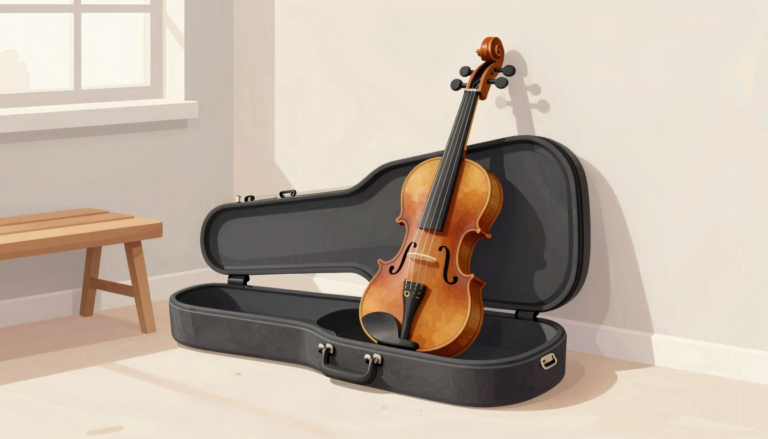
He treasured an old qin, a Chinese stringed instrument, given to him by a friend. Although its body had developed cracks, he continued to play it. He imagined that, if the instrument could feel, it would be glad to have found someone who understood its voice.
For Su, value did not depend on whether an object was old or new, costly or inexpensive. What mattered was whether it connected deeply with a person's inner life and brought real pleasure or insight through daily use.
The old instrument and inkstone reflected the expansive spirit of finding home wherever the heart is at peace, and a taste for the quiet pleasures that give ordinary life its flavor.
Learning to live contentedly with familiar things can bring greater autonomy and peace within the material world. Advertising and fashion lose their power to pull us along when we have a clearer understanding of what truly nourishes our lives.
A ferry: carrying affection through time
In its vision of a society of great harmony, the “Liyun” chapter of the Book of Rites describes people who dislike seeing goods wasted, without insisting that those goods must belong to them personally.
The emphasis is on making full use of things rather than hoarding them. That regard for objects also leaves room for respecting the human relationships they carry.
For many treasured belongings, the deepest value has long since moved beyond the material object itself. It lies in emotional memories and human connections that cannot be reproduced.
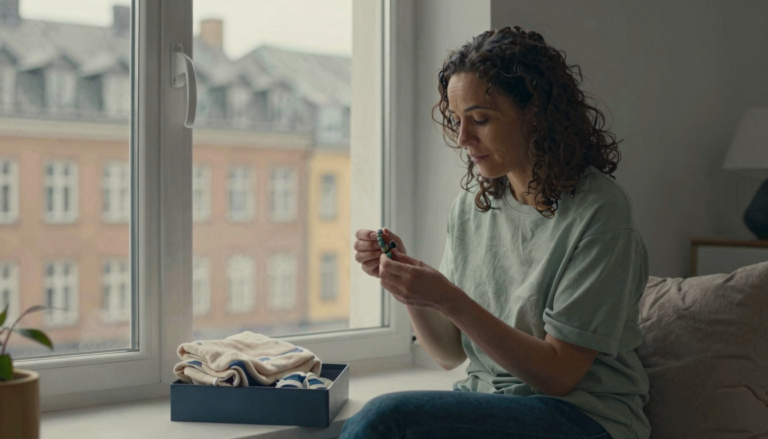
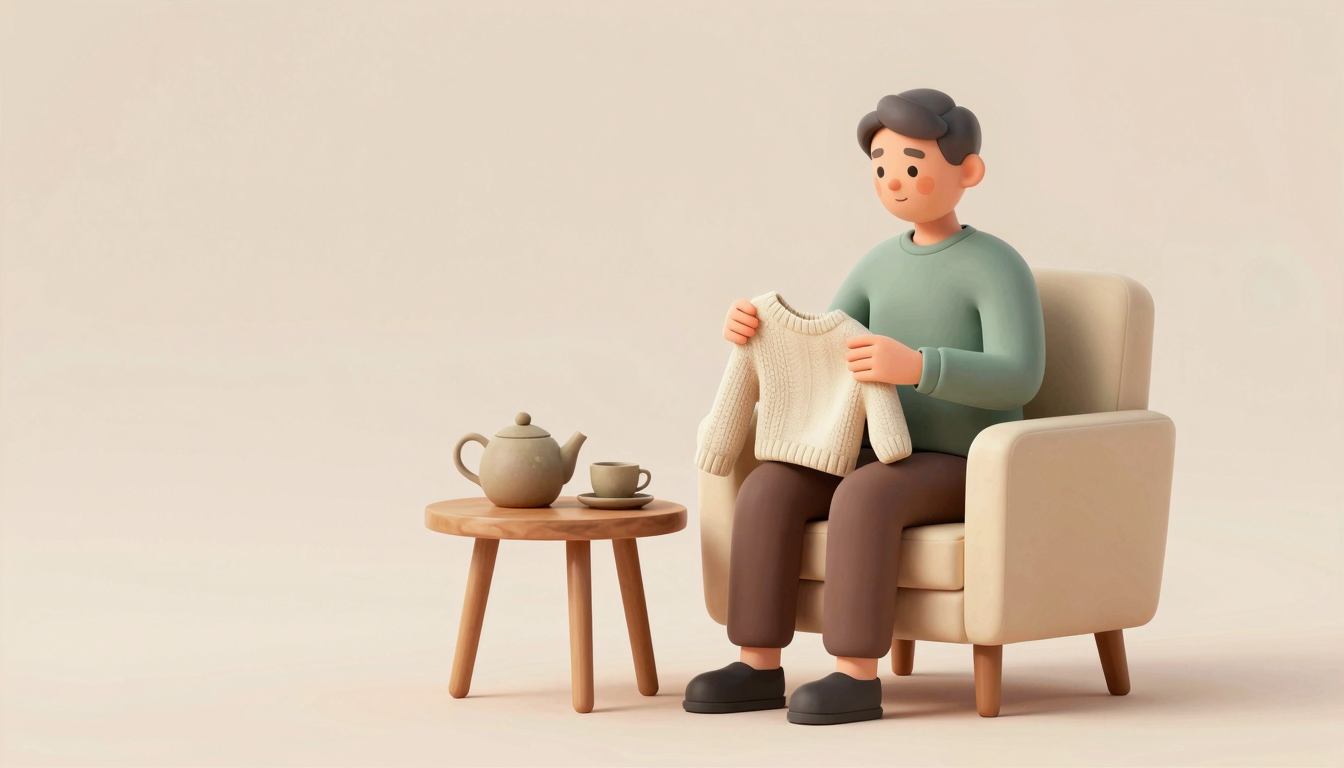
An old sweater knitted by a mother. A yellowed letter from home. A fountain pen once used by a father. A book inscribed by a friend. Such things become ferries, carrying family affection, friendship, and romantic love across the years into the present.
Keeping them gives us a tangible way to protect some of life's most precious and delicate connections against the passage of time and the pull of forgetting. Abstract feelings acquire something we can touch. Warm memories find a place to remain in the physical world.
After the deaths of her husband, Qian Zhongshu, and their daughter, Qian Yuan, the writer and translator Yang Jiang lived alone in the home the three had shared. She kept her husband's desk and glasses, her daughter's childhood toys, and countless other traces of their life together.
In We Three, she expressed her profound longing for the family she had lost. Their belongings became essential vessels for navigating bereavement and reconnecting with the warmth of earlier days.
As she dusted familiar objects and organized the manuscripts they had left behind, she met them again in memory. These acts held both a deeply loving farewell and a steadfast commitment to remembrance.
By preserving objects filled with the warmth of their shared life, and giving that love expression in writing, she carried the affection of one small family into an account of family love that could move people far beyond it. The emotional crossing reached beyond her own household.
When we cherish the stories held in old belongings, those continuing connections can make life richer, warmer, and more resilient. No brand-new luxury can bestow that kind of emotional abundance.
The larger life within ordinary things
The upper section of the Xici commentary in the Book of Changes distinguishes dao, intangible principle, from qi, tangible objects.
Yet the deepest wisdom keeps the two connected. Through ordinary things, we can glimpse a larger understanding of life, recognize our own hearts, and encounter profound affection.
Someone who still keeps and uses belongings from ten years ago may be practicing that wisdom in a modest, everyday way.
As anchors, these objects preserve personal history and cultural roots amid a changing world. Knowing where we come from helps us see where we are going.
As mirrors, they reveal genuine needs and an inner standard of value amid the pressure to consume. We can enjoy material things without becoming subject to their demands.
As ferries, they carry precious memories and enduring human warmth down the river of time. Love has something to rest upon; remembrance has somewhere to return.
Keeping and cherishing things in this way is no expression of poverty or stinginess. It is a philosophy of time, material life, and affection—a form of deep, quiet romance.
Even in an age that changes from one day to the next, it allows us to enjoy a life whose meaning grows richer with the years: a life of depth, texture, and warmth.
Frequently asked questions
Does keeping old belongings necessarily reflect extreme thrift?
Keeping selected belongings need not mean someone cannot afford replacements, nor does it necessarily reflect extreme thrift. Objects that are cherished and used may carry personal memories, cultural roots or emotional connections.
Does an object's age determine its value?
Age alone does not determine an object's value. In the article's account of Su Dongpo, what matters is a meaningful connection with inner life and the pleasure or insight an object brings through daily use, whether it is old or new, costly or inexpensive.
How does the article distinguish cherishing belongings from hoarding?
The relationship described centers on using and caring for selected belongings rather than possessing and stockpiling them. Its emphasis is on making full use of things and respecting the memories and relationships they carry.