Summary
Familiar songs, remembered tastes and old companions can bring the past into the present. Nostalgia carries emotional comfort, questions of identity and an economic pull.
At a glance
Nostalgia connects present feelings with past experiences, familiar places and people we remember. It can bring happiness or sadness, and present dissatisfaction may make it more likely. Looking back can support optimism, connection and identity, while sentimental appeal may also reduce price sensitivity and encourage spending.
Time Keeps Us Growing Older: Why Do We Feel Nostalgic?
Sometimes we miss the old days, though the breeze that once moved through them is gone. The sun rises and sets without end, while the world changes and our lives move on.
It can feel as though we have entered an age of nostalgia. Around us, people keep returning to stories of “those days.” During the three pandemic years, many recalled a time when they could go without masks, travel wherever they wished, and change jobs without quite so much to worry about.
As the years pass, those who once listened to stories become the storytellers, and the storytellers eventually become people remembered in the stories themselves. Almost overnight, it seems, we have crossed into nostalgia together.
Why do we feel nostalgic? And what do we gain from looking back?
From Illness to Ordinary Emotion: A Brief History of Nostalgia
Nostalgia might arrive through a familiar view, an object that brings someone to mind, a longing for home while far away, or an attachment that refuses to fade. Today, these feelings seem entirely ordinary. In the seventeenth century, however, nostalgia was regarded as an illness.
The word “nostalgia” comes from the Greek nostos, referring to the longing to return home, and algos, the pain associated with that longing. Johannes Hofer, a seventeenth-century Swiss military physician, treated nostalgia as a mental illness among Swiss mercenaries engaged in trade on foreign shores. He described psychological and physical symptoms including persistent homesickness, intermittent crying, anxiety, an irregular heartbeat, anorexia, insomnia, and even a feeling of suffocation.
A contemporary physician, J. J. Scheuchzer, proposed that large differences in atmospheric pressure placed excessive pressure on the body, forcing blood from the heart toward the brain and producing emotional distress. Such explanations belonged to a broader view of nostalgia as a neurological disease that persisted through the seventeenth and eighteenth centuries.
By the early nineteenth century, the classification had shifted: nostalgia was understood as melancholia or depression rather than a neurological disease. For much of the twentieth century, it remained within the framework of psychological disorders. Scholars in the psychodynamic tradition described it in terms such as “immigrant psychosis” and a psychologically repressive compulsive disorder.
A different understanding emerged over time. In 1979, Davies reported that university students associated nostalgia more often with warmth, old times, childhood, and longing than with homesickness, suggesting that they distinguished the two concepts. In psychology, nostalgia is commonly defined as a preference for things from the past, and many contemporary researchers regard it as an emotional experience.
If nostalgia is an ordinary emotional experience, what can we draw from it?
The Strength We Find in Nostalgia
1. Nostalgia Is a Psychological State
Nostalgia is closely tied to social life and the changes of an era. As time passes and distance grows, our attachment to familiar things from the past can deepen. We may feel sadness or wistfulness, or devote considerable energy to remembering. Sometimes we are holding on to happy years; at other times, we are returning to events we still find difficult to let go of.
We are often more susceptible to nostalgia when the present feels disappointing. People whose work leaves little time to enjoy life may become lonely or bored, turning to memory for comfort and a renewed sense of themselves. Of course, simply looking back on our own lives need not be a reason for sadness.
Nor does nostalgia mean forgetting everything. It creates a connection between the present and the past, one that reaches beyond recollection alone. Through that connection, we can also look toward the future and reflect on life, work, and love.
2. Nostalgia Can Encourage Optimism
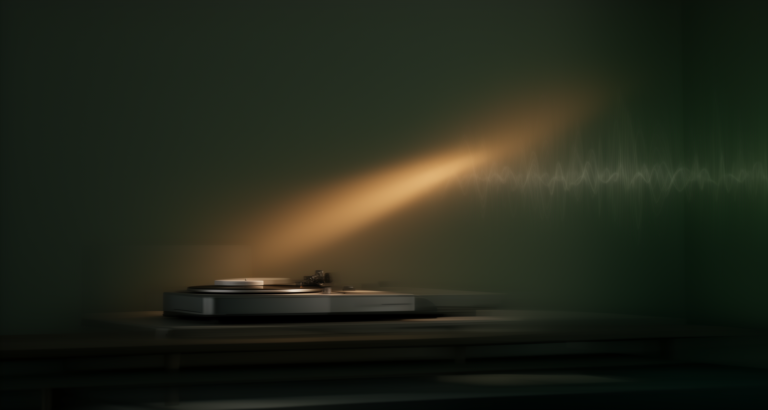
Research from the University of Southampton suggests that nostalgia can help people cope with adversity and encourage a more optimistic outlook. The feeling can be elusive, yet its arrival is often unmistakable. A song we loved for years, a taste we remember, or a person we have not thought about in a long time can bring scenes from the past into our present mood, carrying happiness or sadness with them.
This process draws on both thought and feeling: it is a longing for what has passed and an encounter with the emotions that have settled around it. Time can leave us feeling like antiques, as though we have grown old before we noticed. Nostalgia can make us feel young again.
3. Nostalgia Can Strengthen Our Sense of Identity
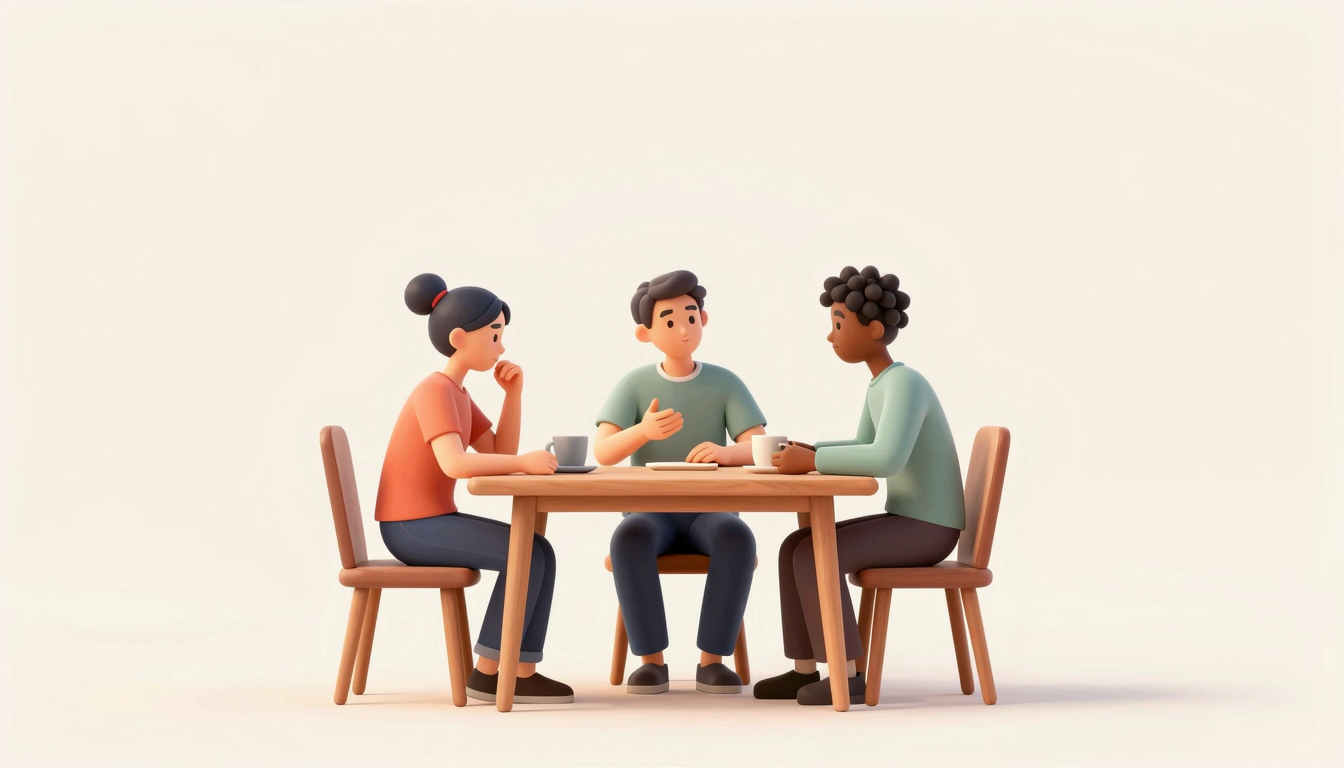
When we remember good times, we also remember the people who shared them. Those memories connect us to others and meet emotional needs, helping strengthen our sense of identity and happiness. Looking back can also help us reassess ourselves, adjust our outlook, and find a clearer direction in life. In this sense, nostalgia speaks to a shared need for emotional and psychological sustenance; without the opportunity to revisit our lives, much would be lost. Some details inevitably fade, but the good times we once knew often remain with us.
Susan Krauss Whitbourne, a professor in the University of Massachusetts Department of Psychological and Brain Sciences, has described how constructing and reconstructing our life stories in memory helps us understand who we are. Narrative psychology offers a similar view: the way we tell our stories helps shape who we become. Nostalgia connects us with our past selves and helps us see how we arrived here. That continuity can affirm our existence and deepen our acceptance of ourselves—a powerful source of confidence as we make our way through life.
The Economic Pull of Nostalgia
Nostalgia's relationship with money has far-reaching implications for marketers, policymakers, charities, and political organizations. For marketers, one important possibility is that nostalgia reduces consumers' sensitivity to price. When an object promises to bring back a cherished feeling, we may be more willing to spend.
The experimental findings described in this account indicate that nostalgia can lead consumers to part with more money when making purchases. That effect may work against consumers, particularly those more prone to nostalgia, such as older people. A greater tendency to spend under nostalgia's influence could leave them with fewer financial resources; the findings are also offered as a possible explanation for older people's particular vulnerability to financial fraud, rather than proof of a causal link.
We are often teased for paying extra for sentimental appeal. Everyone can see us doing it—though we may be the last to admit it. Memory offers a soft place to land, and that attraction is understandable. But when a product trades on the past, look beyond the rush of recognition and judge its actual quality.
The Brightness of Having Something to Remember
A reflection attributed to Haruki Murakami imagines a person stripped of memory as an empty shell, moving toward death regardless of how others see them. Its point is the place memory holds in our existence. Whether pleasant, painful, or ordinary, our memories are part of our lives, leaving deep impressions we cannot simply separate from ourselves.
Spring gives us something to remember, summer something to hold close, autumn something to delight in, and winter something to anticipate. With remembrance, attachment, joy, and hope running through them, all four seasons become dear.
However sharp nostalgia's double edge may be, there is still something precious about having a past to remember. Take a moment to see what comes to mind first:
- If you picture your family gathered around the table for a reunion meal, send them a simple message: “I miss you.”
- If you remember the childhood companions you could tell anything to, message them and arrange to meet back home: “Let's have a drink together—and not head home until we're drunk.”
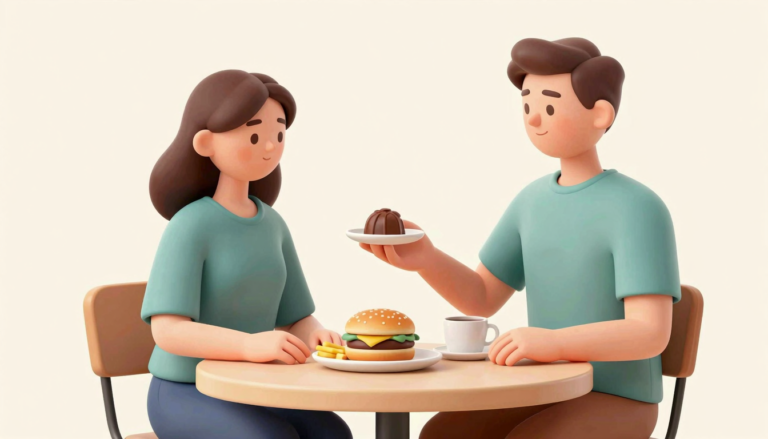
- If you remember familiar tastes or scenes from long ago, order something you used to enjoy or watch an episode of an old favorite. Enjoy a little, and let the pleasure linger.
- Thinking of…
May time slow down, and may old companions stay close.
Frequently asked questions
Is nostalgia always a happy feeling?
No. Nostalgia can involve happiness, sadness, wistfulness or difficulty letting go of past events. Simply remembering the past need not itself be a reason for sadness.
How can nostalgia support our sense of identity?
Remembering shared experiences can connect us to others and to our past selves. Revisiting our life stories can help us understand how we arrived at the present, reassess ourselves and find a clearer direction.
Can nostalgia influence spending?
The experimental findings described in the article indicate that nostalgia can increase willingness to spend and may reduce sensitivity to price. The suggested connection with older people's vulnerability to financial fraud is a possible explanation, not proof of a causal link.