Summary
Years of ordinary use can transform modest household possessions into familiar companions that carry the texture of a life and home.
At a glance
Familiar household objects may become difficult to replace because years of repeated use connect them with bodily routines, memories, people, and periods of life. Their personal meaning can eventually matter more than their price or condition, although age alone does not make an object valuable. The attachment described here concerns possessions shaped by sustained use, affection, or companionship.
After Living in a Home for Years, the Things We Find Hardest to Replace Are Often Not the Most Expensive
After we have lived in a home for many years, a few worn things often become surprisingly difficult to replace. It might be a wooden chair whose arms have been polished by years of use, an everyday teacup with a small chip on its rim, a well-thumbed book on the shelf, or an inexpensive piece of calligraphy or art that has remained on the wall for years. Even when we can afford something better, we may still be reluctant to let these things go.
When we are young, life can seem as though it should be continually renewed. We want to replace aging furniture and old cups and make the house look more attractive. Only after living somewhere for a long time do we begin to understand that the hardest things to replace are often not the most expensive, but those that have quietly accompanied us through years of ordinary life.
After Years of Use, an Object Is No Longer Just an Object
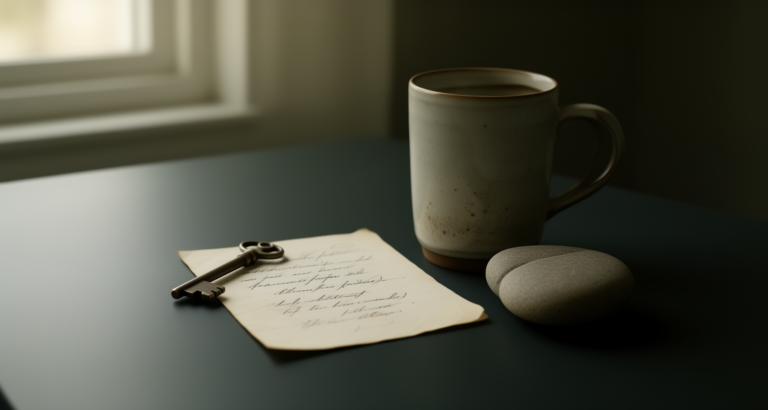
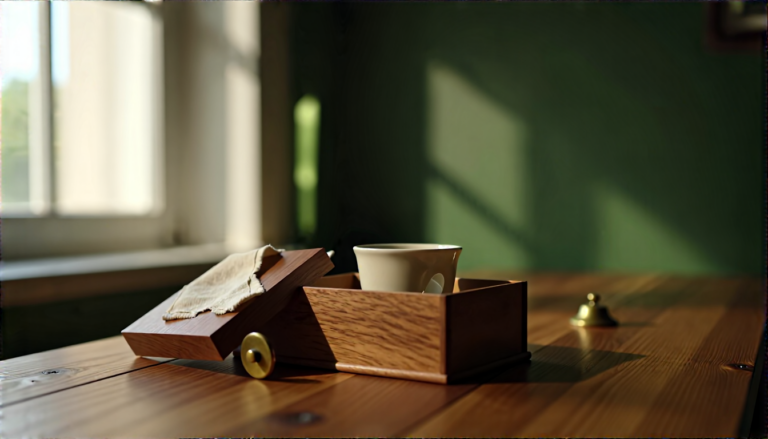
When we first buy a cup, we may care most about how it looks. After using it for years, appearance may matter less than another kind of familiarity: we know its weight in the hand, the occasions when we prefer to drink tea from it, and exactly where it rests. We can reach for it without even looking.
A chair can become familiar in the same way. Although a home may offer several places to sit, one person will often return to the same seat. Over time, the chair itself seems to take on the habits of its owner.
A corner of a desk, a plant beside the window, an inkstone within reach, a piece of calligraphy on the wall—when such things first enter a home, they are simply objects. With time and use, they gradually acquire a human presence. We use our possessions, while time quietly leaves traces of our lives within them.
A Home with Character Bears the Traces of Time
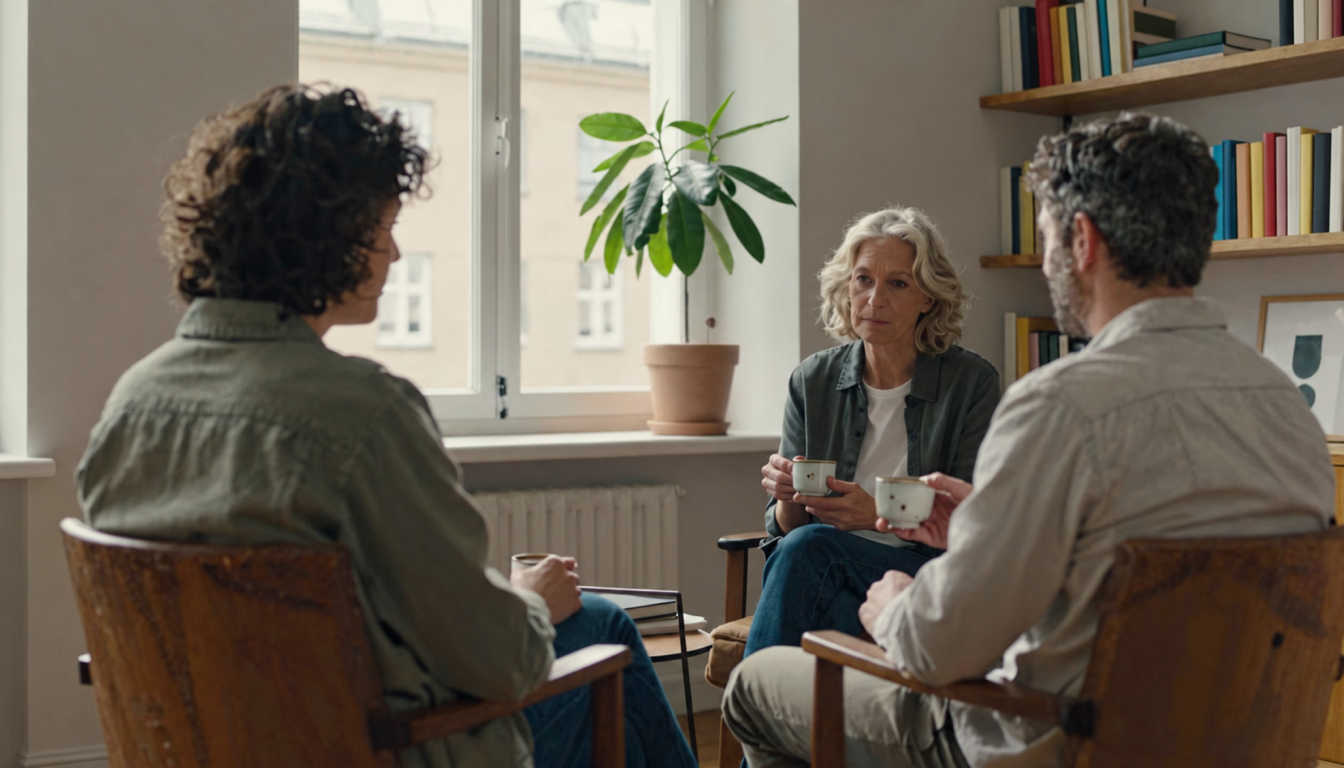
Some comfortable homes I have visited were not new and immaculate in every detail. Faint watermarks remained on the tea table, and new and old books stood together on the shelves. A well-used wooden chair looked a little darker. A plant by the window might have accompanied its owner through many seasons, while a work hanging on the wall might not have come from a famous artist at all. Perhaps its owner happened upon it years ago, loved it, and has kept it there ever since.
Homes like these feel reassuring because they have not just been arranged for other people to admire. Someone is genuinely living there. Tea gradually leaves stains, frequently opened books develop creased pages, and wood grows smooth and warm beneath repeated touch. In much the same way, a home that has been inhabited for years gradually comes to resemble the person who lives in it.
What Remains Is Often Unrelated to Price
When we are young and buying something, it is easy to begin with two questions: How much does it cost, and is it better? Later, we may discover that the things which remain beside us for years cannot be measured by price alone.
An ordinary old teapot may have accompanied you through countless mornings and afternoons. A book of little monetary value may still hold a note casually written many years ago. A painting may have little market value, yet you may have lived with it for more than a decade. Other possessions become irreplaceable because they are connected to a particular person or period of your life.
Looking at the same worn object, an outsider may think, “It is time to replace that.” Its owner, however, may see a part of life already lived. Price tells us what an object was worth when it was bought; time determines what it eventually comes to mean.
A Home Acquires Its Character Through Being Lived In
People often speak about the style of a home—Chinese, minimalist, modern, and so on. Yet once people actually move in, the home gradually develops an appearance of its own, shaped by the life unfolding inside it rather than by design alone.
Someone who drinks tea will naturally keep a well-used set of tea ware close at hand. A reader's shelves will not always look freshly organized. A person who loves plants will make room for them beside a window, on a balcony, or on a desk. Someone who cares about calligraphy or painting may encounter a work they truly love and allow it to remain on the wall for years.
These possessions may be neither expensive nor perfect, but together they reveal a person's life. That is why the most moving quality of a characterful home is never the number of valuable objects it contains. It is the way the space allows us to see how someone has lived over the years.
With Time, We Learn What Is Worth Keeping
When we are young, we are easily drawn to what is new: new furniture, new objects, even the promise of a new life. Later, our way of seeing may begin to change. We can still appreciate beautiful, well-made things without feeling compelled to replace everything old. We finally understand that age does not necessarily make something bad. Sometimes it simply shows that time has passed through it.
A chair worn by years of sitting, a familiar teacup, a well-read book, a painting that has kept us company for years—what makes these things difficult to relinquish is not their price. One day, we realize that they have become inseparable from all those ordinary hours spent drinking tea, reading, talking, or simply staring into space.
When we are young, we often want to exchange the old for the new. Later, we may come to understand that a textured, meaningful life is not only about continually acquiring better things. It is also about gradually learning what is worth keeping.
Frequently asked questions
Why can an ordinary household object become difficult to replace?
Repeated use can connect an ordinary object with familiar movements, daily routines, memories, particular people, or periods of life. Its meaning may therefore extend beyond its original price or appearance.
Does the article suggest that everything old should be kept?
No. It says that age does not necessarily make something bad and that people may appreciate well-made new things without feeling compelled to replace everything old. The meaningful examples involve sustained use, affection, memory, or personal connection.
How does a home acquire its individual character?
A home gradually takes on character through the habits and interests of the people living there. Frequently used tea ware, disturbed bookshelves, plants, worn furniture, and long-kept art can collectively reveal how someone has lived.