Summary
Beauty norms, idealized motherhood and menopause stigma can shape women’s lives, but bodily experiences and priorities vary widely.
At a glance
Gender expectations can tie worth to appearance, moralize caregiving sacrifice and stigmatize ageing. These pressures interact with real bodily changes; no single script captures every woman’s experience.
Be beautiful when you are young. Be endlessly patient when you become a mother. Stay youthful as you age, but do not be too emotional about the changes. Expectations like these can follow women through very different stages of life, making ordinary experiences feel like tests of whether they are being women correctly.
A lifespan perspective helps expose those expectations. The discussion in the eighth edition of the gender-psychology book introduced by the source connects bodily changes with social roles, cultural judgments and opportunities. People experience a body within a social world, and neither that body nor that world gives every woman the same life.
Adolescence, motherhood and menopause offer three revealing examples. They are not a compulsory sequence. Not all women become mothers, and women differ in their reproductive histories, relationships, health and priorities.
Adolescence: When Appearance Becomes a Measure of Worth
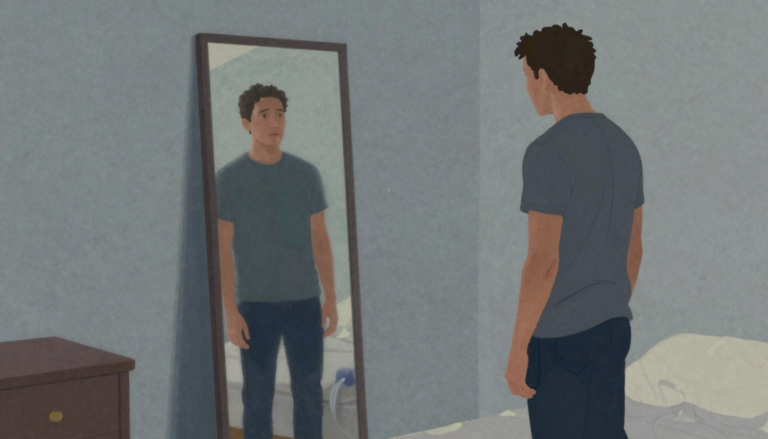
Beauty standards change. Hairstyles, skin tones and body sizes move in and out of favor. The expectation that women should work at being attractive can remain even as the preferred appearance shifts. Beauty then becomes more than one possible interest: it becomes an obligation connected to acceptance.
That lesson can begin well before adolescence. The book discussion describes preschool observations in which girls judged more attractive received more positive responses, including help and praise, with a different pattern reported for boys. The important possibility is the lesson a child might take from repeated treatment: being pleasing to look at helps secure approval.
During adolescence, attention to gender and peer evaluation can make that lesson more powerful. Self-esteem is an overall evaluation of personal worth, but people often build it from particular domains they have learned to value. For many adolescent girls, appearance is a particularly significant one. A judgment about a face or body can start to feel like a judgment about the whole person.
The source's book-based examples include a German secondary-school survey linking appearance self-evaluations with self-esteem in both boys and girls, more strongly in girls, and interviews in which even academically successful girls connected popularity with attractiveness. These examples concern perceived appearance and social acceptance; they do not establish that objective beauty determines worth. Their relevance is the gap between achievement in one domain and the belief that another still controls whether one will be liked.
Appearance can become an important measure of their worth even for girls who have many other reasons to feel capable. Broadening the sources of worth therefore matters: competence, friendship, curiosity, judgment and contribution need room alongside appearance. Enjoying clothes or makeup need not be a problem; feeling that acceptance depends on constant bodily correction is a more constraining relationship.
Body dissatisfaction deserves care without reducing serious illness to beauty pressure. Anorexia nervosa can involve severe food restriction, bulimia nervosa involves recurrent binge eating with compensatory behaviors, and binge-eating disorder involves recurrent loss of control over eating. NIMH emphasizes that eating disorders are serious illnesses with multiple interacting risk factors, affecting people of different sexes, ages and body sizes. They are not vanity or a choice. Troubling eating behaviors warrant professional assessment.
Movement offers one possible way to experience a body through what it can do. Sport may provide skill, strength, enjoyment and agency, rather than another occasion to judge appearance. That is a possibility, not a guarantee: a setting centered on body surveillance or extreme performance pressure may feel different. The useful shift is toward a body that acts and experiences, rather than one that exists mainly to be evaluated.
Motherhood: Love Within an Impossible Standard
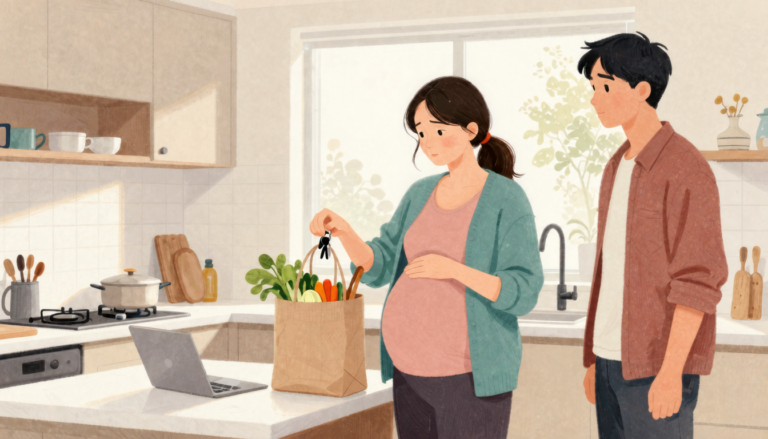
The ideal mother in many cultural stories is warm, selfless and naturally competent. She enjoys caregiving, puts her child first, sacrifices willingly and manages work, marriage and home without resentment. The standard demands continual effort and the appearance that the effort comes easily.
That turns a role into a moral test. A mother may be expected to give up time, career opportunities and personal needs, provide steady emotional reassurance and never regret a sacrifice. Treating her as the only person who can truly understand the child makes sharing care seem like failure rather than a responsibility others can assume.
After giving birth, a woman may be recovering physically while adapting to broken sleep and an unfamiliar daily rhythm. Social contact may shrink. Feeding, soothing, cleaning and planning can occupy much of the day while remaining largely invisible to anyone who sees only the result. Where mothers carry most of that labor, calling it natural can conceal how much work it requires.
A mistake or moment of frustration can become evidence, in her own mind, that she is a bad mother. Unrealistic standards can add guilt and strain to an already demanding situation. They do not provide a single explanation for postpartum depression. NIMH describes perinatal depression as a medical condition with multiple contributing factors, including life stress, caregiving demands and hormonal changes. A woman is not at fault for developing it. Severe or persistent mood symptoms deserve care, rather than instructions to be more grateful or try harder.
Love and difficulty can exist together. Some mothers describe a new sense of intimacy and responsibility, discover resilience they had not recognized or enjoy seeing familiar things through a child's eyes. These experiences may be harder to describe than the concrete work of a sleepless night, but they still matter.
Neither effortless fulfillment nor pure sacrifice can contain that mixture. Fatigue, guilt, affection, connection and growth do not cancel one another out. More realistic expectations make space for them, while shared practical care can reduce the pressure on one person to carry everything alone.
Menopause: A Bodily Transition With Social Meanings
Menopause is often used casually as an explanation for a woman's anger, anxiety or supposedly declining value. Such labels turn a physiological transition into a personality judgment. They also make it harder to discuss real symptoms without being dismissed.
Natural menopause is identified after 12 consecutive months without menstruation when there is no other physiological or pathological explanation or clinical intervention. It usually occurs between ages 45 and 55, though timing varies. The transition around it can take several years as ovarian function and hormone levels change. The World Health Organization's menopause guidance recognizes both this biological process and its social context.
Hot flushes and night sweats can be uncomfortable and disrupt sleep. Symptoms vary greatly in intensity and duration; some women have few, while others need substantial support. There is no reliable promise that they will settle within a year or two. Recognizing menopause as natural should make appropriate care easier to seek, not suggest that women must simply endure symptoms.
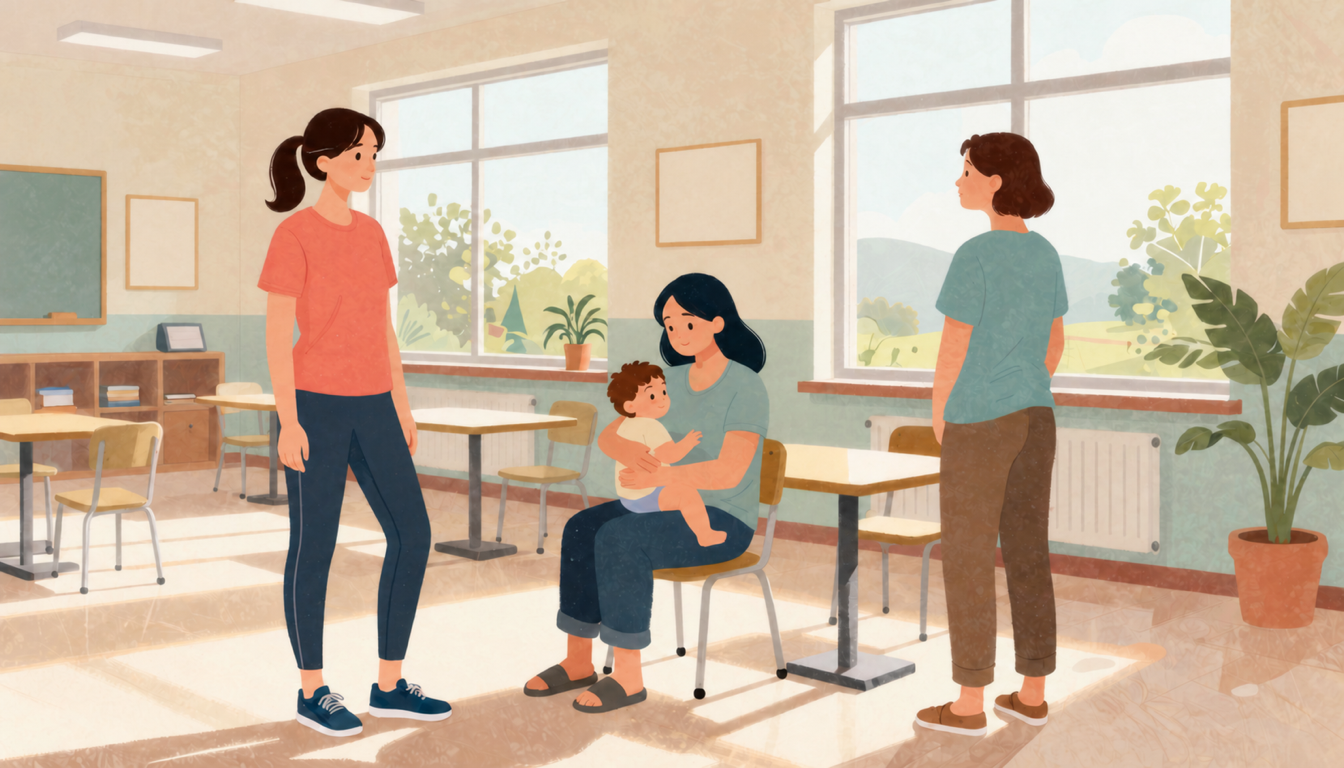
Social meaning adds another layer. If a culture treats youth and attractiveness as conditions of female value, bodily changes can provoke fears about becoming less visible or desirable. The stereotype of the unreasonable menopausal woman can compound the physical experience with shame.
The source discusses associations between negative attitudes toward menopause and more difficult reported symptoms. Such an association cannot tell us that attitudes alone caused symptoms: distressing symptoms may also shape attitudes, and circumstances can influence both. Taking culture seriously must not become another way to blame women for discomfort.
For some women, this stage brings confidence, changed priorities or freedom from earlier expectations. Some feel relief when pregnancy is no longer a concern after menopause; pregnancy remains possible during perimenopause. Others reconsider relationships, work or future plans. These are possible experiences rather than a requirement to celebrate. A difficult transition and a positive reassessment of life can coexist.
There Is More Than One Way to Be a Woman
The book discussion closes around four themes: psychological gender differences are often smaller and more variable than assumed; people respond differently to men and women; women's contributions and experiences can be less visible; and variation among women is substantial.
That final point should shape how the others are used. When someone says women are emotional or naturally suited to care, ask which women, in what circumstances and under what expectations. Personality, work, relationships and feelings about menstruation, childbirth or menopause differ widely. A group average cannot tell an individual how to feel.
The beauty-conscious girl, the self-sacrificing mother and the irritable older woman are compressed pictures of much more varied lives. Understanding women requires room for the parts those pictures leave out: different ambitions, unequal resources, genuine pleasure, difficult symptoms and choices that do not follow an expected sequence. No single response is the test of being a woman correctly.
Frequently asked questions
Is appearance the only source of adolescent self-esteem?
No. It can become important under social pressure, but competence, relationships and other valued domains also matter.
Does maternal guilt mean someone is a bad mother?
No. Unrealistic expectations can add guilt to demanding care. Persistent or severe mood symptoms deserve assessment, not blame.
Are menopause symptoms only cultural?
No. Biological changes can cause real symptoms, while social attitudes influence their meaning and support.
Must every woman experience these stages the same way?
No. Not all women become mothers; health, history, circumstances and priorities vary.