Summary
Social influence, scarcity and imagined joy or regret can make repeated draws feel urgent. Visible costs and limits chosen beforehand can help keep collecting affordable.
At a glance
Blind boxes and game draws combine uncertain rewards with popularity, rarity and time pressure. Knowing the odds may not counter the feelings attached to the next attempt; decide affordable limits before drawing and keep the monetary cost visible.
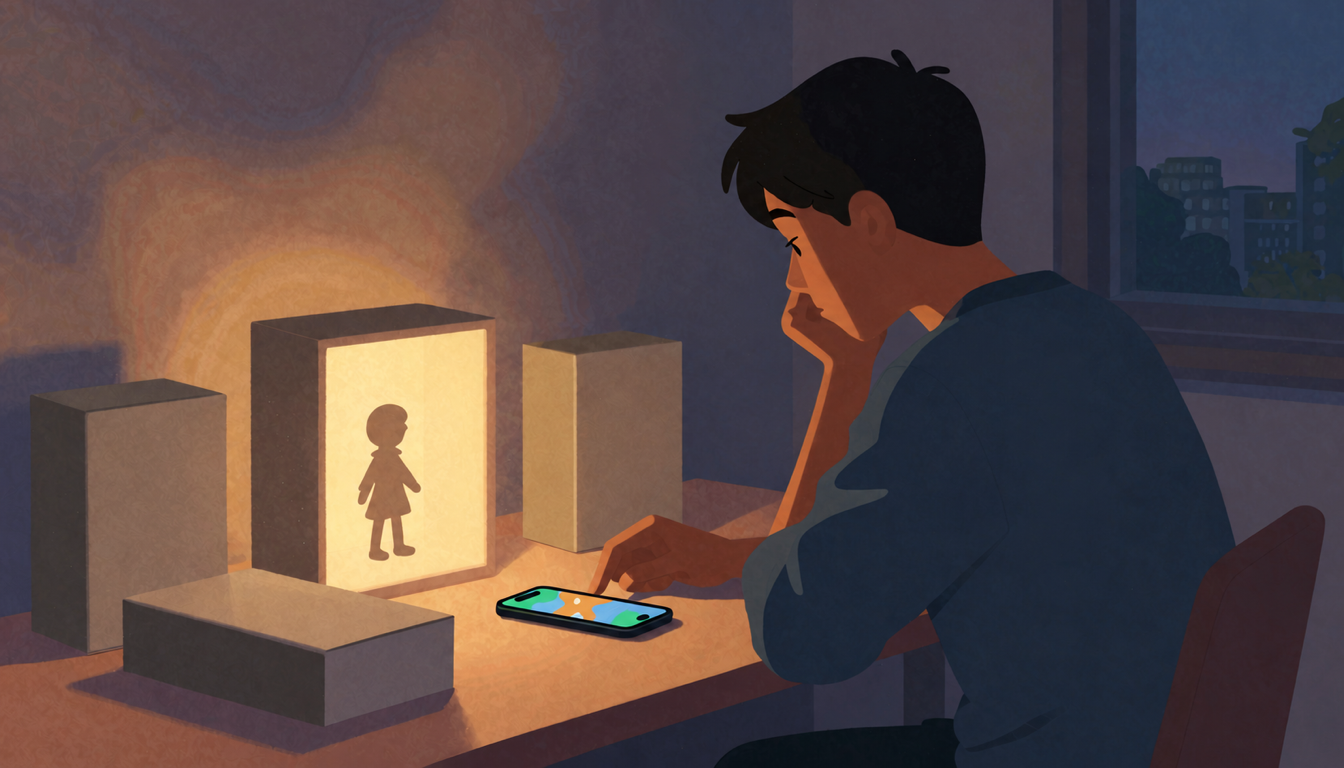
A favorite character returns to a game just after you have used up your free draws. Alipay or WeChat Pay offers a quick way to try again. At a shop, a collectible series contains the design you want, somewhere among the sealed boxes. You open one, then another. The next purchase seems easy to justify: perhaps this will be the one.
Knowing the odds are low does not necessarily quiet that thought. The decision involves more than probability. Other people's enthusiasm, the possibility of missing out and the happiness you imagine can all make another chance feel unusually valuable.
Popularity and Exclusivity Can Work Together
Start with a question that sounds obvious: do you like the object itself? Collectible crazes have moved through Be@rbrick, Bing Dwen Dwen, LinaBell and Labubu. You may discover a real preference through other people. You may also begin to want something because everyone around you seems convinced it is desirable.
Following others can provide a shortcut when you lack information. A crowded restaurant looks promising; an empty one may invite doubt. Yet neither crowd size nor emptiness establishes food quality. The same limitation applies to a shopping message announcing that ten other people are browsing and to laughter added to a television program. A social signal can shape your response without demonstrating that your response will suit you.
An experimental music market studied by Matthew Salganik, Peter Dodds and Duncan Watts illustrates how preferences and social information interact. Across the experiment, 14,341 participants could download unfamiliar songs, with or without information about earlier participants' choices. Stronger social influence made success more unequal and less predictable. Quality still mattered—the best songs rarely performed badly and the worst rarely did well—but it did not determine a single inevitable ranking.
The lesson for collectibles is not that popularity is meaningless. It is that a hit's popularity is partly a history of people responding to other people. You can enjoy joining that history while still asking whether the item would appeal to you without the surrounding excitement.
Scarcity adds a second attraction. A useful everyday item such as tissues need not feel special because it is widely owned. A collectible may appeal partly because few people have it. In that situation, an object feels more precious when obtaining it seems difficult, even while the crowd's enthusiasm assures you it is worth pursuing.
A per-customer purchase limit can strengthen that impression: why restrict a product unless it is in demand? The source gives a four-can beverage limit as an example. Such a limit is a marketing cue, however, rather than proof that sales must rise or that the product is valuable. With blind boxes, visible demand and restricted supply can reinforce each other: excitement encourages buying, shortages increase urgency, and urgency sustains the excitement.
The Next Draw Carries an Imagined Feeling
A draw offers a possible object and a possible emotional moment. You picture the delight of finally holding your favorite character, or the regret of passing up your chance. Both imagined feelings can become much more vivid than the ordinary costs of another purchase.
People do not always predict their future feelings accurately. A classic lottery study compared 22 major winners with controls and found that the winners were not happier on the measure used. That small comparison does not establish that every winner returns to a fixed happiness level after six months. It does challenge the easy assumption that getting a coveted prize must produce the lasting emotional transformation we imagine.
A collectible can bring real pleasure. The question is how much of your next purchase rests on the object and how much rests on an enlarged picture of what getting it will feel like. Anticipated regret can push in the same direction: if you imagine missing the item as unbearable, another payment begins to look like protection against that feeling.
Time limits intensify this calculation. A collaboration ends, a character's draw pool closes, or an older series has not returned for a long time. Now waiting seems costly, even if buying also is. Clearance messages promising only three days and calls to stock up make this pressure explicit.
Limited menus provide a familiar comparison. The source points to periodically returning McDonald's menu items and an eight-yuan caramelized foie gras dish as illustrations of food made memorable partly by uncertain availability. Those examples describe the appeal of a temporary offer, rather than current products or prices. In a game or collectible shop, the relevant question remains: does limited availability change what you can afford, or only how urgently you feel you should act?
Make the Cost as Concrete as the Reward
Enjoyment does not require unlimited spending. Put food and other necessities before collectibles, decide whether the interest is yours and choose an amount whose loss you can accept. A budget works best before a sequence of disappointing draws, when the next attempt has not yet become emotionally loaded.
If you want to spend a little less, make the cost harder to overlook. Banknotes can help some shoppers because handing them over makes the departure of money tangible. Digital payment can make the same cost less noticeable, particularly when a game first converts money into tokens or credits. Translating those credits back into ordinary currency gives the purchase a clearer meaning.
The phrase “pain of paying” describes an aversive side of spending; it does not mean every purchase produces physical pain. In Knutson and colleagues' purchasing study, excessive prices were associated with insula activity before a purchase decision. Activity in several regions predicted later choices. That finding cannot establish literal pain from a brain region alone, or show that cash always produces the strongest discomfort.
Treat payment friction as a tool to test. For a physical purchase, a fixed cash allowance may make a boundary visible. For an online draw, a written total in ordinary currency and a pause before topping up can serve the same purpose. Do not let the ability to pay conceal the question of whether you still want to pay.
Keep the Surprise Within a Limit You Chose
Different people are drawn in by different parts of the experience: a character they love, participation with friends, rarity, the opening itself or the hope of reversing disappointment. Recognizing your particular attraction gives you a better place to intervene than simply telling yourself to have more willpower.
You can value a collection and still stop buying. A limited offer can be appealing and still exceed your limit. The aim is to leave uncertainty as an enjoyable part of a purchase you chose, with its full cost in view, rather than allowing each new chance to decide the next one for you.
Frequently asked questions
Does popularity show a collectible is worth buying?
It shows that others are interested, but social influence can shape demand. Ask whether you like the object apart from the excitement.
Why do limited offers feel urgent?
A closing draw pool or uncertain reissue makes waiting feel like losing an opportunity, even though it does not change affordability.
Will paying cash stop impulse buying?
It may make spending more tangible for some people, but it is not a guarantee. A visible limit and ordinary-currency total can also help online.