Summary
Attachment fears and loss may make possessions feel secure, but meaningful keepsakes differ from hoarding that disrupts everyday life.
At a glance
Attachment anxiety may make possessions reassuring after loss or separation, but it is not the sole cause of hoarding. Consider distress, usable living space and safety; combine patient listening with professional assessment when functioning is impaired.
Old newspapers, worn clothes, empty bottles and plastic bags may seem easy to discard to someone visiting a home. To their owner, they may carry usefulness, familiarity or a connection with a life that has changed. Understanding that difference is a better starting point than treating the possessions as meaningless.
The relationship between attachment anxiety and hoarding among older adults is one possible part of that picture. Fear of losing people or being left alone may make objects feel reassuring. It does not explain every cluttered home, and age or sentimentality alone does not establish a disorder.
When possessions offer a sense of security
Attachment anxiety describes worry about the availability or stability of close relationships. After a bereavement, a family member’s move or a change in daily roles, the wish for something dependable can feel especially strong.
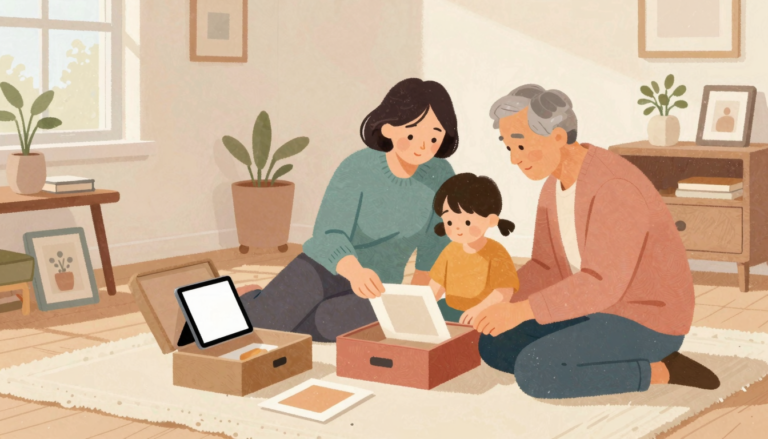
An object is available in a way a person may no longer be. Photographs, letters or furniture can provide contact with a remembered period of family life. Holding on to objects associated with those years may feel like preserving access to the people and experiences connected with them.
Early patterns of interaction with caregivers may be relevant to how someone understands closeness and loss. They do not determine a person’s later behavior, and a family member cannot infer a childhood history from the number of possessions in a room. Ask what the objects mean before deciding why they are there.
Cherishing objects is not the same as hoarding disorder
A collection of meaningful keepsakes can be organized and compatible with everyday life. The concern becomes different when parting with possessions causes marked distress and accumulation prevents rooms from serving their intended purposes.
The American Psychiatric Association distinguishes hoarding disorder from collecting through persistent difficulty discarding, distress and disruption of living spaces or functioning. Its guidance also identifies fire and tripping hazards among the possible consequences. A clinical assessment considers these effects rather than judging whether another person likes the objects.
This distinction protects against two mistakes: dismissing dangerous clutter because the possessions have emotional value, and calling every older person who keeps old things a hoarder. Meaning and safety both deserve attention.
Loss and daily circumstances can change the balance
Consider an illustration: an older woman called Grandma Zhang has moved repeatedly and experienced family upheaval. She fears losing people and belongings, and after retirement begins keeping her children’s old toys and furniture she no longer uses. Each object feels like a bridge to family life and to loved ones who have died.
The illustration shows how several experiences might come together. Retirement changes daily structure; bereavement changes relationships; familiar things remain. It is a possible emotional account, not a verified case or a diagnosis that can be applied to someone else.
Living arrangements also matter. Someone living alone may have different practical support from someone sharing a home, but neither situation tells the whole story. A rural community can provide strong relationships; a city resident can be isolated. Ask about the actual support available, access to services and the person’s ability to manage daily tasks rather than assuming that location predicts the problem.
Respond to meaning and risk together
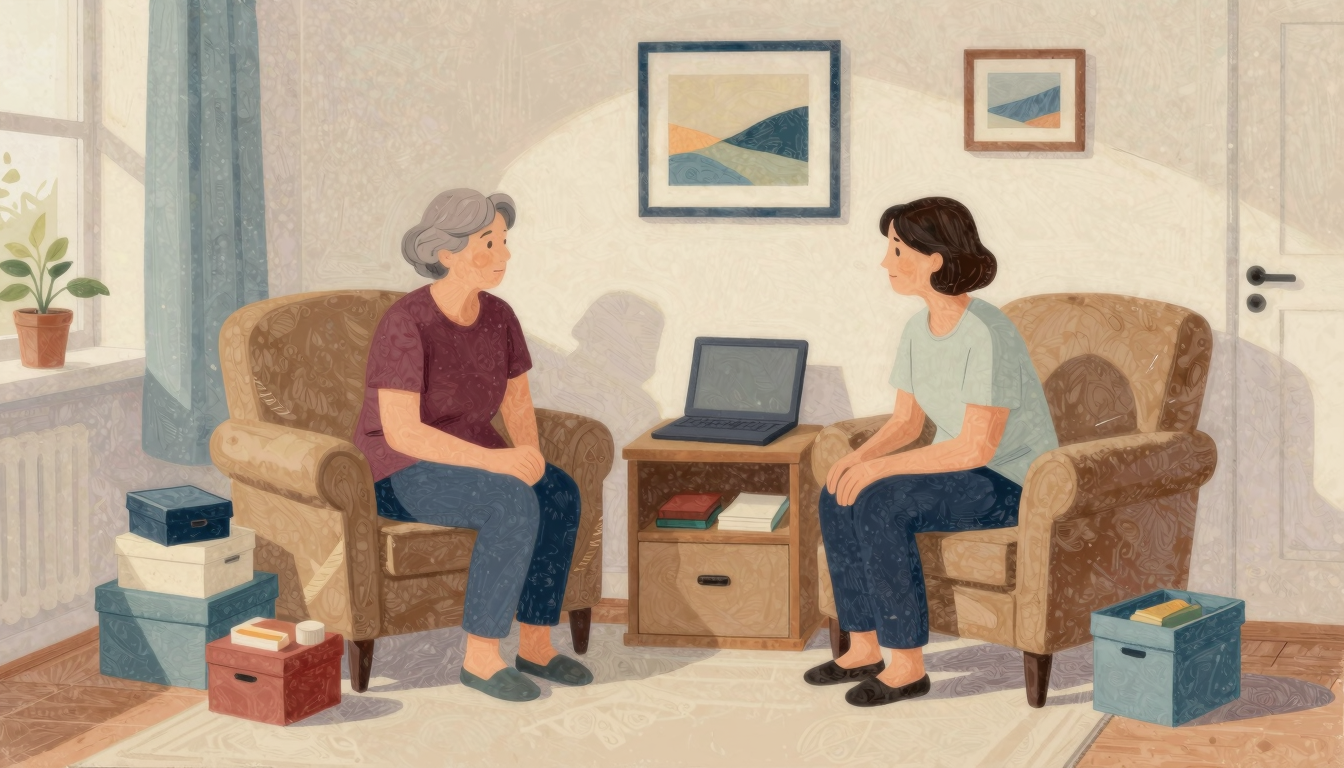
Start with a conversation about what is difficult to part with and why. A patient question can reveal whether the concern is memory, possible future use, fear of waste or something else. Affection and companionship may make the conversation less threatening, even though they are not a complete treatment for hoarding disorder.
Discuss concrete goals together. Keeping a passage usable or making a room available for its intended purpose is clearer than demanding that someone stop being attached to things. Where possible, agree on manageable decisions that preserve the person’s participation and dignity.
If clutter is compromising daily living, creating hazards or causing severe distress, involve a healthcare or mental health professional. The APA describes cognitive behavioral therapy as an evidence-supported treatment that can help people practice decisions about saving and discarding. Progress may take time and may need more support than relatives can provide alone.
An older person’s possessions can hold a family history without being allowed to crowd out the conditions for living safely now. Understanding the attachment makes it possible to discuss change with greater care; recognizing impairment makes it possible to seek the help that care alone may not supply.
Frequently asked questions
Does keeping old photographs mean someone has hoarding disorder?
No. Meaningful keepsakes alone do not establish a disorder.
Can loss make possessions feel more important?
Yes, objects may become reassuring links to people and periods of life, though that does not predict hoarding in everyone.
What should relatives focus on?
Listen to the meaning of possessions and discuss concrete functioning and safety concerns together.
When is professional help appropriate?
When difficulty discarding, clutter or distress interferes with daily life or safety.