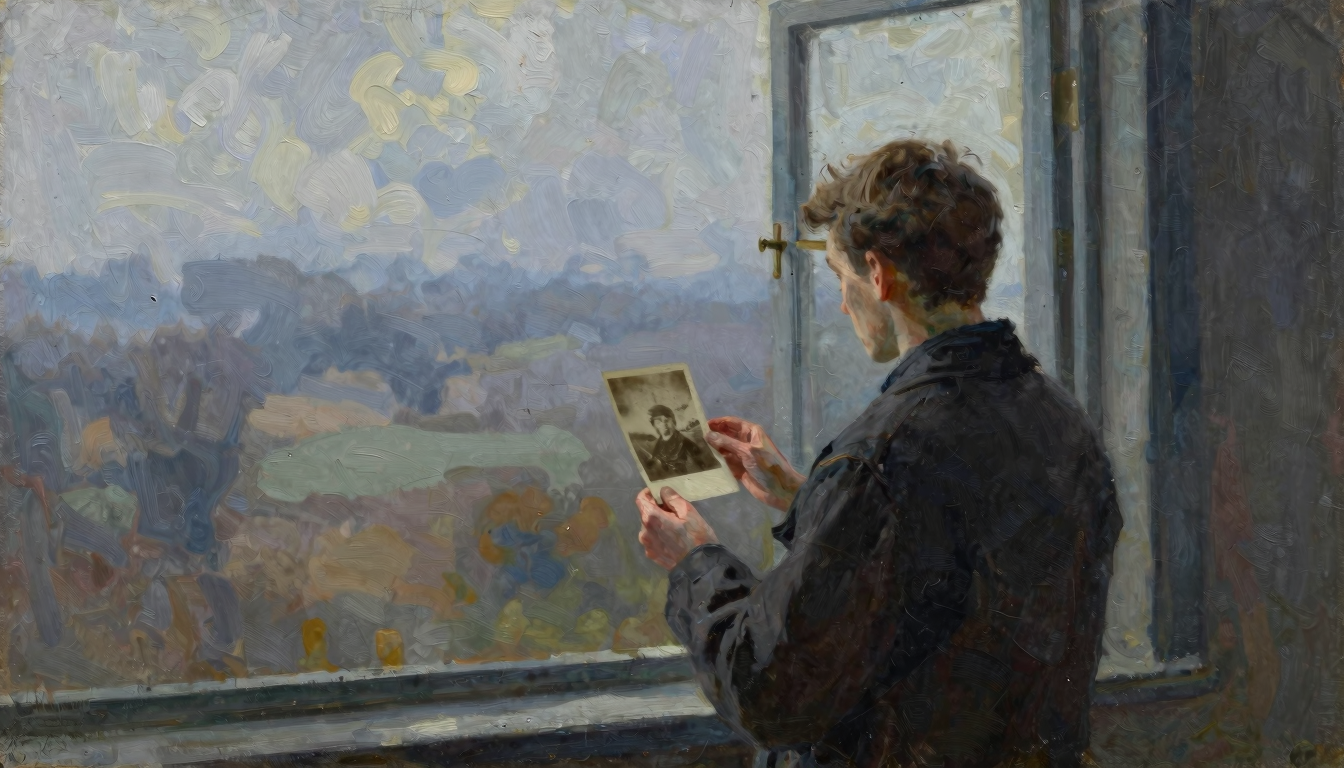
Summary
An old photograph dream can spotlight memory and control. Use a practical process to test present facts without treating it as a prediction.
At a glance
An old photograph dream may make a past story or current uncertainty visible. Treat it as a reflective prompt, verify present facts, and choose one practical next step rather than a prediction.
A five-step frame-to-action process connects each persisted query to a current-life decision.
Recreate frame, name control problem, check present facts, choose reversible action, review tomorrow.
A clear answer before interpretation
If you search for the dream meaning old photographs, start with the exact scene. An old photograph can represent memory, a past version of yourself, or a story you are trying to verify. That is a reflective reading, not a proven omen. If the photograph felt comforting, ask what continuity you need; if it felt damaged or misleading, check which assumption you may be treating as settled without current evidence.
People asking what does it mean to see pictures in a dream may be noticing observation rather than participation. A picture lets you stand outside an event. Write down what was inside the frame, what was missing, and whether you were viewing, holding, or changing it. Those details show where you feel able to act and where you feel like an onlooker.
A dream about old photos often brings a specific memory, relationship, or unfinished choice into focus. Do not treat the feeling as proof that you must return to the past. Name the memory, then identify one present-day fact that either supports or updates your old story.
A dream about old pictures can also be about comparison. You may be measuring today's work, body, home, or relationship against an earlier image. Put the comparison into words and ask whether the standard is still fair. A dated picture records one moment; it cannot measure the whole present.
When the search is dream about old camera, the emphasis may be on how the image was made. A camera selects a frame, and the dream may prompt you to notice who is choosing the angle in waking life. Before a difficult conversation or purchase, list the facts outside your preferred frame and invite one trusted person to check them.
For old pictures dream meaning, the most grounded answer is that the dream may be organizing memory and uncertainty rather than forecasting an event. Use a two-column note: “what I remember” and “what I can verify now.” Keep decisions in the second column.
If you ask what does it mean to dream of taking photos, participation matters. Taking a photo can point to a wish to preserve, prove, or control a moment. In waking life, decide whether documentation will help: save the receipt, write the agreement, or take a pause before posting. A record is useful when it serves a decision, not when it replaces one.
The phrase old photos dream meaning returns to the same practical distinction. The image may carry emotion, but emotion is not an external forecast. Let it identify a question, then answer that question with current information, a conversation, or a small reversible step.
Control and uncertainty in ordinary life
For work. You may dream of an old team photo after a role change and worry that your best work is behind you. Compare the skills shown in the old situation with the task in front of you, ask your manager for one concrete success criterion, and schedule a small trial. The result you can judge is clearer feedback, not a supernatural promotion or warning.
Financial budget. An old family photograph may appear while you are deciding whether to repeat a familiar spending pattern. Separate inherited advice from today's numbers. Check the account balance, write a two-week spending limit, and wait 24 hours before a nonessential purchase. This turns nostalgia into a financial check.
In relationships. Seeing a former partner or friends in a fixed image can make a current silence feel loaded. Do not use the dream as evidence of another person's intent. Ask one direct, respectful question, set a response boundary, and decide what you will do if there is no answer. Control comes from your boundary, not from decoding the picture.
At home. A photograph of a childhood room can surface a dispute about where to live or how to care for someone. List the practical needs—access, cost, privacy, safety—and invite the people affected to rank them. Choose the next discussion or inspection, rather than trying to restore an earlier arrangement exactly.
For health. An image of your younger self may trigger a harsh comparison about fitness or appearance. Treat it as a cue to check sleep, pain, medication, or stress with a qualified professional when needed. Pick one manageable behavior for seven days. The ordinary result is better information about your body, not proof that the dream predicts illness.
A way to read the scene without giving it too much power
- Recreate the frame: who or what was visible, what was blurred, and what you were doing with the photograph.
- Name the control problem: are you trying to preserve a decision, prove a memory, repair a relationship, or avoid an unknown outcome?
- Check the present: write down two facts that can be verified today and one assumption that cannot.
- Choose a reversible action: ask, inspect, budget, rest, or postpone a commitment until the missing fact is available.
- Review the result tomorrow. Keep the action if it helped; drop the symbolic story if it did not.
A modern example
Mara, a product designer, dreamed that she held an old group photograph with her face partly covered by a thumb. At work she was waiting for a decision about a new role and kept rereading a performance review from three years earlier. She wrote the dream detail beside the current question, then checked the role description and asked her lead which two outcomes would define success in the first month. She stopped treating the old review as a verdict, prepared a short plan, and received a clear answer about the trial period. The useful result was a better decision and less rumination; the photograph did not predict the job outcome.
Frequently asked questions
What is the dream meaning old photographs?
It may bring memory, identity, or an unfinished interpretation into focus. Use the feeling to name a current question, then verify present facts instead of treating it as a prediction.
What does it mean to see pictures in a dream?
Pictures can place you in the role of observer. Note what is inside and outside the frame, then identify where you need more information or a chance to act.
What does a dream about old photos mean?
It can reflect a past event or relationship that is shaping a current choice. Separate what you remember from what you can confirm now.
What does a dream about old pictures mean?
It may signal comparison with an earlier version of life. Ask whether that old standard still fits your present circumstances and choose one current measure.
What does a dream about an old camera mean?
The camera can draw attention to framing and selection. Before deciding, look for facts outside the angle you prefer and ask someone you trust to review them.
What is the old pictures dream meaning?
There is no verified universal meaning. A grounded reading treats the image as a prompt to examine memory, uncertainty, and a practical next step.
What does it mean to dream of taking photos?
Taking photos may reflect a wish to preserve or document a moment. Decide whether a useful record, conversation, or pause would serve the real situation.
What is the old photos dream meaning?
The dream may organize emotion around the past without predicting the future. Let it identify the issue, then respond with current evidence and a reversible action.