Summary
A childhood house in a dream may point toward an old boundary that needs protection, repair, or renegotiation in present life.
At a glance
A childhood-house dream can point toward the boundary between inherited identity and present choice; the house detail and waking circumstances show what limit needs attention.
Distinguishes inherited rules, privacy thresholds, and present renegotiation.
Name the old rule, compare it with current values, and take one boundary action.
The short answer
The dream often suggests that an old emotional territory is asking for a clearer edge. A locked door may be read as protection or withheld access; an open door may suggest readiness to revisit a memory; a damaged room can mark a boundary that no longer feels secure. If the house felt warm, the message may concern preserving a useful value while leaving behind an old obligation. If it felt threatening, the dream may invite firmer limits. These are traditional possibilities, not certain meanings.
Why a childhood house carries boundary symbolism
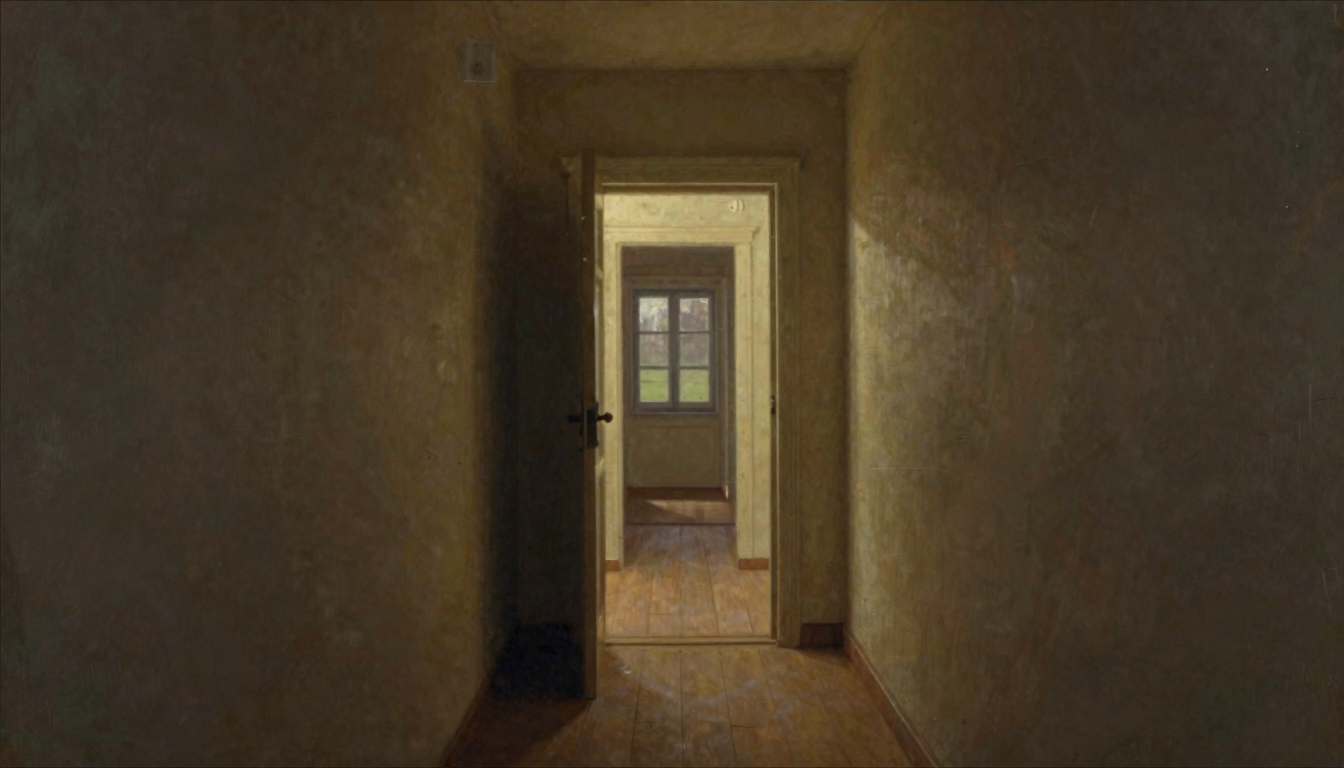
A first home contains thresholds: who could enter, which room belonged to whom, when quiet was expected, and what behavior kept peace. Symbolically, returning there can bring those early agreements into view. Some traditions treat the house as a map of the inner life, with the front door representing public access and private rooms representing protected knowledge. The dream may therefore ask, “Who or what still has permission to cross an old line?”
The boundary can be between past and present, duty and choice, or belonging and independence. A familiar room does not prove that the past controls you. It may show that a former rule is being compared with a current decision. Notice the moment when the dream changes: a door opens, a wall moves, a relative appears, or you choose to leave. That action gives the symbolic reading its direction.
Spiritual and folk interpretations of the house
In some folk traditions, a childhood home is a vessel of lineage. Clean light, a swept threshold, or a sound from a family room may be interpreted as continuity and protection. Other traditions read an abandoned or shadowed home as a call to release inherited fear or obligation. Spiritual language can be useful when it remains humble: the image may invite respect for ancestry, prayer, remembrance, or a quiet ritual of closure, but it does not establish a supernatural fact or a religious ruling.
The house can also symbolize the boundary between the visible routine and what is privately felt. A window looking out may suggest a wish for perspective; a basement may represent material kept out of daily conversation; an attic may hold an old ambition or story. These associations vary by culture and personal history. Let the emotional tone and concrete circumstances decide which association is useful.
Details that change the meaning
Standing at the front door
Waiting outside can symbolize respect for an old boundary or uncertainty about whether you still belong there. Check what you are asking permission to enter in waking life, then decide whether a conversation or a private pause is the safer next step.
A locked or blocked room
A locked room is often read as protected information, grief, or a limit that has not been negotiated. It can be a healthy boundary when the dream feels calm; when it feels panicked, write down the specific subject you keep avoiding and choose one small way to approach it safely.
An open door or changed floor plan
An open door may suggest readiness for a new relationship with the past. A changed floor plan can mark a role that no longer fits its old shape. Compare the old rule with your present values before deciding what to keep.
A bright, damaged, or empty house
Warm light often carries a protective or reconciliatory tone. Cracks, leaks, or missing furniture may indicate that a former sense of safety needs repair, while an empty room can symbolize space for a new identity. These images describe a threshold; they do not predict loss.
How the boundary may appear in ordinary life
At work
Someone may be taking on a manager’s expectations that resemble a parent’s rules. Check which task is driven by fear of disappointing authority, then ask for a clear priority or decline one unnecessary commitment.
In relationships
The house may surface when a partner or friend has too much access to private history. Check whether you are sharing by choice or appeasing pressure, then state one specific limit about time, messages, or personal information.
With money
Old family beliefs about scarcity can cross into present spending decisions. Check the actual budget, debt dates, and shared obligations; choose one concrete adjustment instead of treating the dream as a financial omen.
In family life
A childhood room can appear during a move, caregiving change, or disagreement about family roles. Check which duty was assumed rather than agreed, then name a fair division of the next task with the people involved.
For health and energy
A house that feels crowded or airless may symbolize depleted energy, while a quiet room may invite restoration. This is not a medical conclusion. Check sleep, workload, and persistent symptoms, seek qualified care when needed, and choose a gentle practice such as journaling, prayer, or a walk to mark your own boundary.
A present-day example
Maya dreamed that she stood in the hallway of the small house where she had lived as a child. Her old bedroom was bright, but the hallway door would not close, and relatives were talking in the kitchen. In waking life she had moved back to help her father while also working remotely; every family member could reach her at any hour. She read the open doorway as a boundary question rather than a warning. The next day she set two caregiving hours, told her relatives when she was working, and installed a simple latch on her office door. Within a week, requests were grouped into a shared calendar and she had a quiet hour each evening.
A grounded way to read the dream
Write down the house detail that carried the strongest feeling and the boundary it resembles now. Separate inherited rules from agreements you have freely chosen. Ask whether the dream points toward opening, closing, repairing, or relocating a limit. Then take one observable action—a sentence in a conversation, a schedule change, a budget check, or a rest period. Keep the spiritual image as a source of reflection while letting evidence and consent guide the decision.
Frequently asked questions
What does a dream about a house from childhood mean?
It may bring an earlier sense of safety, family rules, or identity into a present decision. The rooms, thresholds, and feeling on waking show which boundary deserves attention.
What is the spiritual meaning of returning to a childhood home in a dream?
In some traditions it can symbolize lineage, remembrance, or a call to reconcile with an old value. It does not prove a supernatural message or guarantee an event.
What does a locked room in a childhood house dream represent?
A locked room may point toward protected knowledge, grief, or a limit that has not been discussed. Calm suggests protection; panic suggests a subject that needs careful support.
What does an open door in a childhood house dream mean?
An open door can suggest readiness to meet the past with new choices. Consider what you want to welcome and what conditions would keep the contact safe.
Can this dream relate to family boundaries?
Yes. A childhood house often carries family roles, so the dream may highlight access, caregiving, privacy, or an obligation that needs renegotiation.
Is a dream about an old house a prediction?
No. Symbolic dreams may frame a useful question, but they cannot guarantee an outcome, diagnose a condition, or replace practical evidence.