Summary
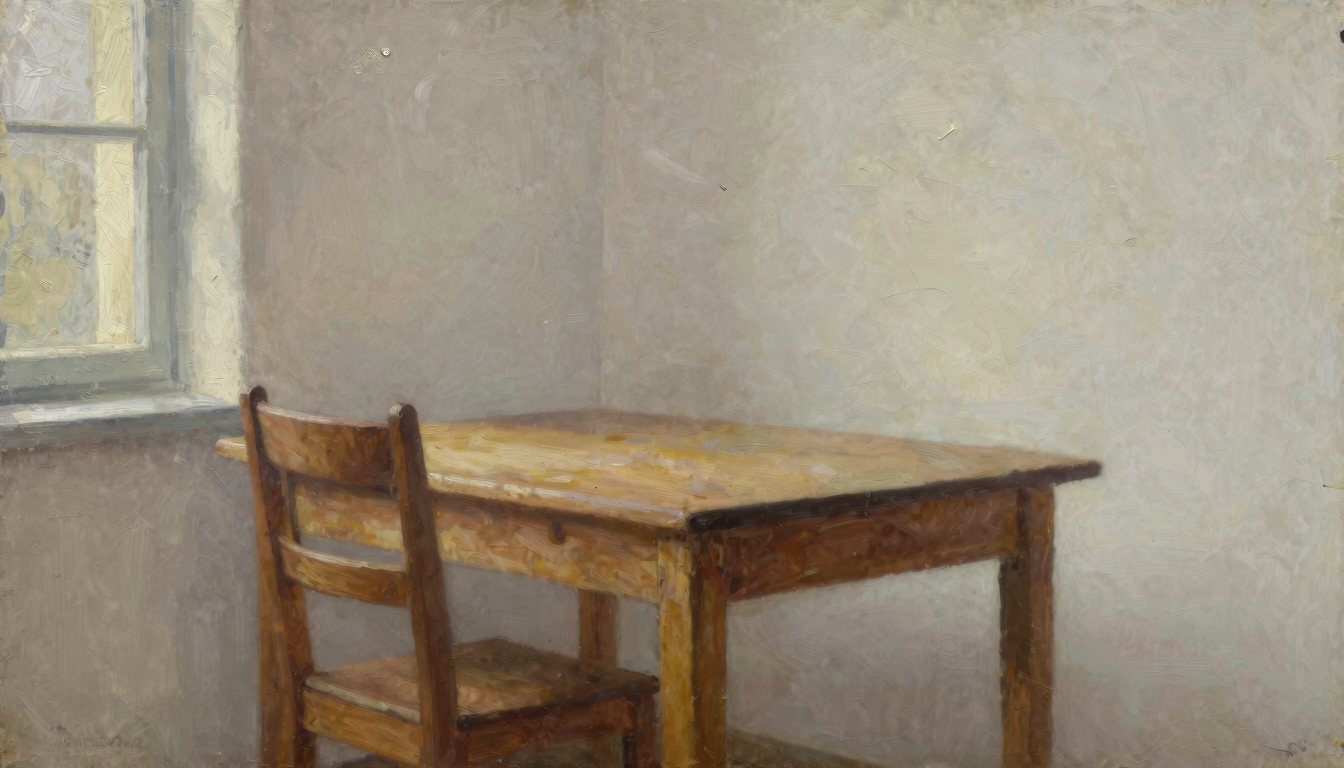
Stress may be part of the background to a dream about a table with one empty seat, especially if you are preoccupied with belonging, responsibility, or an unfinished gathering. But the image alone cannot show what caused the dream. Symbolically, the seat may suggest absence, room for someone new, or a place whose purpose is undecided. The useful distinction is whether the empty place feels like a loss, an invitation, or relief. It does not predict a death, separation, or arrival.
At a glance
Stress may be part of the background to a dream about a table with one empty seat, especially if you are preoccupied with belonging, responsibility, or an unfinished gathering. But the image alone cannot show what caused the dream. Symbolically, the seat may suggest absence, room for someone new, or a place whose purpose is undecided. The useful distinction is whether the empty place feels like a loss, an invitation, or relief. It does not predict a death, separation, or arrival.
Separates cause from interpretation and absence from invitation, relief or an unassigned role.
Record who, reservation and feeling; identify closest concern; check one fact and act without inferring causation.
An empty place is not always a missing person
A table gathers things and people into a shared space. One empty seat makes a particular place visible without necessarily showing who should occupy it. Symbolically, this can express an absence you notice, a role nobody has taken, or room you are deliberately keeping available. The table remains a gathering point; the empty seat changes the arrangement around it.
If you expected someone and felt their absence, the scene may invite reflection on a changed connection. If you felt welcome to sit there, the same place may suggest participation still available to you. If you were relieved that nobody occupied it, the image may concern a needed pause or freedom from another demand.
Do not name a person when the dream did not. An unoccupied chair is not evidence that a particular relative or partner will leave. The uncertainty may be the important detail: a place exists, but its meaning has not yet been settled.
Pressure is a context to notice, not a verdict from the chair
If the dream occurs during a demanding period, you can consider whether the scene resembles a concern already on your mind. Preparing a gathering, negotiating a role, or worrying about an unresolved conversation may give the empty place a personal association. That resemblance is a possible connection, not proof of the dream's cause.
Keep two questions separate: what was happening before sleep, and what the dream image means to you afterward. A symbolic reading can be useful even when the cause is unknown. Conversely, feeling stressed does not make every empty seat an image of anxiety.
Record a few ordinary details, such as the day's main concern and whether the dream's feeling resembles it. The aim is to notice a pattern you can describe, rather than to label yourself from one scene. A dream cannot measure stress or establish a condition.
A reserved seat, an abandoned seat, and your own place
A seat prepared for someone may symbolize expectation. A place left after someone departs may symbolize a changed arrangement. A chair nobody has used may suggest possibility rather than loss. These distinctions depend on what the dream actually showed: preparation, departure, or vacancy are different actions.
If the empty seat is yours, the question may concern whether you feel able or willing to participate. Being invited but unable to sit differs from choosing to remain standing. If someone else assigns the place, the scene may bring attention to who decides where you belong.
A spiritual reflection can treat the empty seat as an image of openness: space held without knowing what comes next. That can feel hopeful when the setting is welcoming. It does not establish an unseen visitor, a supernatural presence, or a promised arrival.
What the table itself contributes
A dream about tables may concern gathering, shared work, negotiation, nourishment, or the surface on which something is arranged. A dining table differs from a worktable. An occupied table differs from an empty one. Start with the use of the table before deciding what the unoccupied place adds.
A wooden table may suggest solidity, familiarity, craft, or an ordinary household rhythm if those associations fit the scene. The material does not supply a fixed omen. A familiar worn table and a polished unfamiliar one may feel different because of their relationship to your life, not because wood has one universal message.
Leave other details unknown. You do not need to add a meal, candles, or a family celebration to make the image meaningful. A plain table and a single vacant chair can already raise a clear question about the place left open.
Relationships: clarify the place rather than guessing at absence
In a relationship, an empty seat may symbolize the wish for participation that has not happened yet. It may also express a changing arrangement after someone becomes less available. Check whether the real concern is a missed conversation, a different routine, or a decision that remains unsettled.
One action is to ask about a specific expectation. An invitation can be made clear without turning the dream into an accusation. The symbolic seat helps name what you want to share; the person's actual response tells you what is possible.
Work: a role that has not been assigned
At work, the empty place may suggest a responsibility without an owner or the wish to have a voice in a discussion. The table can represent coordination: several people are present, yet one contribution is missing. Check whether the unresolved role is yours, someone else's, or a gap in the arrangement itself.
A useful next action is to identify who owns one task and when a decision will be made. Symbolically, this distinguishes an open place from an obligation silently passed to whoever notices it. The dream does not determine whether you will be promoted, excluded, or chosen.
Money: room at the table and the cost of participation
Around money, a vacant seat may suggest a place in a shared arrangement that has not been funded or agreed. You may want to participate while remaining uncertain about the cost or commitment. Check the actual terms rather than assuming that an available place is automatically affordable.
One action is to decide what contribution you can make before accepting an invitation or taking on a shared expense. The symbolic question is what a place requires, not whether the dream forecasts a gain or loss. A welcoming table can still call for clear boundaries.
Family and home: a gathering can change without becoming incomplete
In family life, an empty seat may symbolize a changed routine, an absent participant, or the effort to make room for a new arrangement. The feeling matters: sadness, anticipation, and ease are not interchangeable. Check whether you are trying to recreate a familiar gathering or deciding how the present one can work.
Choose one manageable action, such as confirming attendance or changing a responsibility around the meal. A table does not have to reproduce every earlier arrangement to remain a place of connection. The symbolic vacancy may invite attention to what is missing without requiring you to fill it immediately.
The seat nobody had agreed to fill
Consider Ben, who is coordinating a small family meal while a demanding work deadline approaches. In a dream, everyone sits at a familiar wooden table except for one empty chair. He cannot tell whose place it is. He keeps looking at it because he feels something has been left unfinished.
He reads the scene as a possible image of an unassigned detail rather than a warning about someone being lost. He checks the plans and notices that transport for one guest has not been confirmed. He asks directly, agrees who will help, and reduces one extra preparation he had planned to do alone.
The meal takes place with the practical arrangements settled. His workload is smaller because he clarified the task and dropped an unnecessary addition. The ordinary result does not prove that stress caused the dream or that the chair predicted the gathering. The image helped him frame a question he could answer.
Leave room for uncertainty in the reading
Write down who was present, whether the seat was reserved, and how its emptiness felt. Keep the remembered scene separate from the first story you attach to it. Then choose the closest concern: absence, invitation, an unassigned role, or relief from demand.
Check one waking fact and take one proportionate action. If no present concern fits, the image can remain unexplained. An empty place at a table may offer a meaningful picture of belonging or responsibility without revealing its cause or deciding the future.
Frequently asked questions
Can stress trigger a dream about a table with one empty seat?
Stress may be part of the surrounding context, but the image cannot establish what caused the dream. Compare the remembered feeling with current concerns about belonging, responsibilities or a gathering. Keep that possible association separate from a diagnosis or prediction.
What does dreaming about tables mean?
Tables may symbolize gathering, shared work, nourishment or negotiation. Their use matters: a dining table and a worktable invite different questions. An empty seat adds a particular concern about participation or a place left open.
What does a wooden table mean in a dream?
A wooden table may suggest solidity, familiarity or a household rhythm if those associations fit. A familiar worn table and an unfamiliar polished one can feel different. Wood alone does not supply a fixed omen.
Does one empty seat mean someone will leave or die?
No such outcome follows from the dream. An empty seat may symbolize absence, expectation, room for someone new or an unassigned role. Do not name a missing person when the scene did not identify one.
What if the empty seat was mine?
Your own unoccupied place may invite reflection on participation. Being unable to sit, being invited and choosing to remain outside are different scenes. Check one current situation rather than assuming that the image proves exclusion.
Can an empty seat have a hopeful spiritual meaning?
It can be considered a metaphor for openness or making room when the scene feels welcoming. That reflection does not establish an unseen guest or guarantee a new arrival.
How can I reflect on the dream without knowing its cause?
Record who was present, whether the seat was reserved and how it felt. Choose a possible concern and check one actual fact. If no situation fits, it is reasonable to leave the image unexplained.