Summary
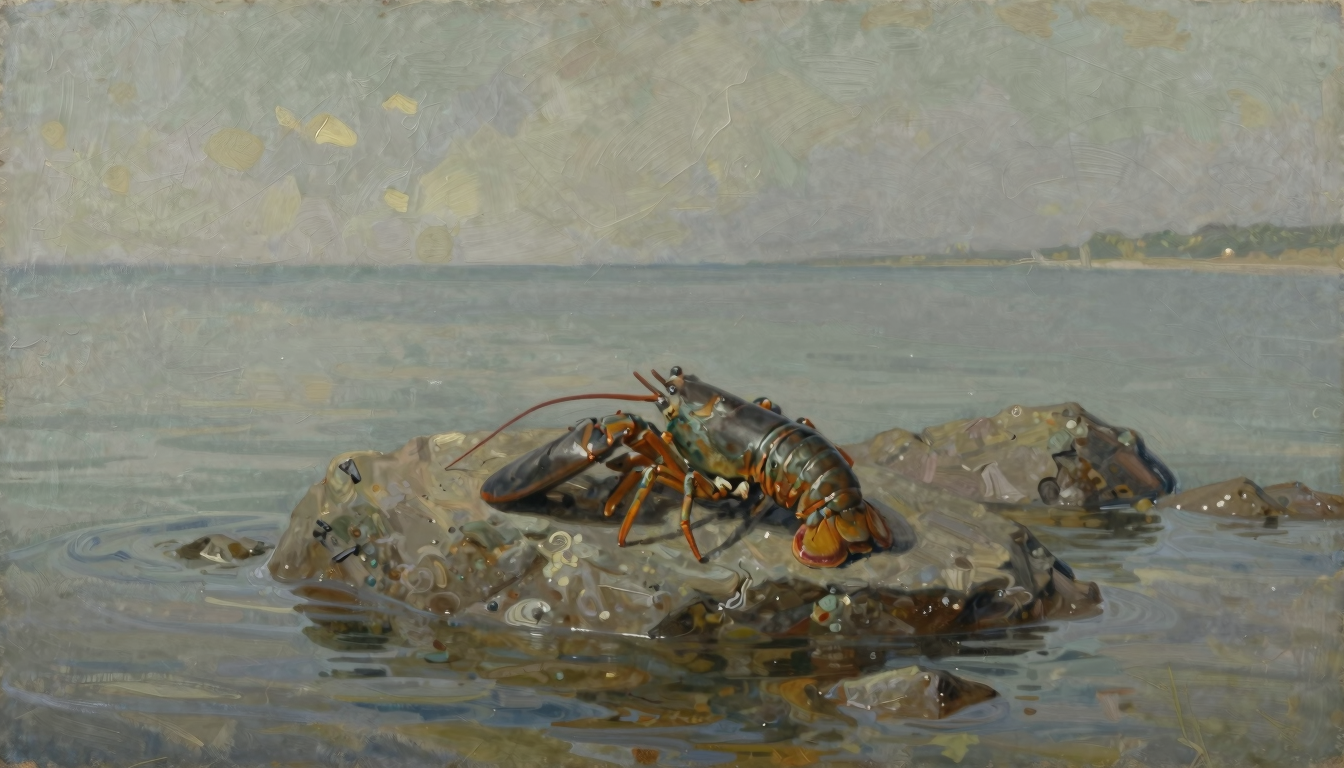
Dreaming about a lobster may symbolize protected value, a guarded response, or the effort involved in reaching something desirable. A living lobster moving freely differs from one you catch, cook, eat, or experience as an attacker. These are conditional symbolic readings, not promises of wealth or predictions of harm. Notice whether the shell protects, prevents access, or becomes part of a struggle, and what happens when you approach.
At a glance
Dreaming about a lobster may symbolize protected value, a guarded response, or the effort involved in reaching something desirable. A living lobster moving freely differs from one you catch, cook, eat, or experience as an attacker. These are conditional symbolic readings, not promises of wealth or predictions of harm. Notice whether the shell protects, prevents access, or becomes part of a struggle, and what happens when you approach.
Separates living protection capture preparation enjoyment and partial view.
Record action setting contact ending; clarify offered access and responsibility.
The lobster brings two associations together: a defended exterior and something you may consider valuable inside it. The dream can therefore concern how you handle access. Are you observing, receiving, taking, or trying to protect what belongs within a boundary?
A living lobster and protected value
A lobster resting quietly may symbolize value that does not need to be exposed immediately. Its shell can evoke protection, reserve, or a clear distinction between what is available and what remains private. Quietness matters: a protected thing is not necessarily a hostile thing.
A lobster moving toward shelter may suggest withdrawal into a familiar defense. One leaving shelter may evoke a cautious approach to something new. These images invite attention to timing rather than a fixed judgment that openness is always better.
Your position in the scene also matters. Watching from a distance can emphasize respect or curiosity. Reaching into a hiding place can make access the central issue. A dream can show your wish to know more without establishing a right to everything you want to know.
Catching a lobster
Catching a lobster may symbolize making a guarded opportunity tangible. The image can evoke persistence, a desired result, or the point at which something previously distant comes within reach. Whether the encounter feels calm or forced changes the reading.
A catch that immediately escapes may suggest difficulty holding an achievement or maintaining access. A lobster held securely can symbolize a result you are still learning how to handle. Neither scene predicts an actual financial outcome.
If you release the lobster, the dream may concern choosing restraint after gaining access. If you keep it, ask what responsibility follows. Possession is only one part of the scene; the ending can bring care, enjoyment, or unease into view.
Cooking and seeing cooked lobster
Cooking lobster may symbolize turning something guarded or difficult into something usable. You take an active role in preparing the result. This can express effort, judgment, and the wish to enjoy what has been obtained.
Seeing a cooked lobster without preparing it may place more emphasis on a result already made available. You may feel welcomed, excluded, or uncertain about accepting it. Preparation and receiving should not be treated as identical actions.
If the food is unfinished or unwanted, the scene may suggest a result that does not fit your expectations. A beautifully prepared meal can evoke satisfaction without guaranteeing success elsewhere. The symbolism concerns your relation to what is offered.
Eating lobster and receiving a reward
Eating lobster may symbolize enjoyment, receiving value, or allowing yourself to benefit from effort. If it feels satisfying, the image can suggest taking pleasure in something earned or shared. If it feels uncomfortable, the dream may question the cost or meaning of the reward.
Eating alone differs from sharing a meal. A shared table can evoke recognition or belonging, while watching others eat may emphasize access and distribution. The social setting can be more important than the food itself.
The spiritual meaning of eating lobster may involve gratitude, discernment, and how you receive something desirable. It does not establish that the food has a supernatural effect or that a particular choice is religiously required. Your values and the actual circumstances remain relevant.
A lobster tail and a partial view
A lobster tail may symbolize a desirable portion separated from the whole. The image can bring attention to what you receive while leaving the surrounding process out of view. A prepared tail on a plate differs from noticing a living animal's tail as it moves away.
If only one part is visible, the dream may concern limited information. You may be drawn to a result without knowing everything around it. This is an invitation to clarify what matters, not a declaration that something is being concealed from you.
If the tail is the main feature you remember, start with that detail rather than inventing the rest of the animal. A partial image can carry a useful question about selection, attention, or what remains outside the scene.
Attacks bites and pursuit
A lobster attack may symbolize a defended boundary becoming an active confrontation. Notice whether you approach it first or whether it comes toward you. The sequence helps distinguish a response to intrusion from a feeling of unexpected pressure.
A lobster biting or pinching you may bring the cost of contact into focus. The dream may evoke a sharp exchange, a restricted movement, or something difficult to release. It does not diagnose injury or prove a person intends harm.
A lobster chasing you may symbolize a concern that keeps following attempts to step away. Pursuit differs from actual contact. If the dream ends before any bite, keep that distinction rather than treating fear as evidence of harm.
Finding another route, receiving help, or watching the animal retreat can shift the emphasis toward response. A defended encounter does not have to become a permanent conflict. The ending may show whether space becomes available again.
Red blue black and white lobsters
A red lobster may evoke intensity, conspicuous value, or a connection with a prepared meal. The action and setting decide which association is useful. A quiet red animal differs from an urgent approach or a red lobster served at a table.
A blue lobster may make the image feel rare, unfamiliar, or emotionally distant. It may symbolize something desirable that does not fit ordinary expectations. Unusual appearance is not evidence of special destiny or guaranteed luck.
A black lobster may emphasize obscurity, reserve, or difficulty seeing what is protected. It does not establish evil or a hidden enemy. A white lobster may evoke clarity, newness, or an unfamiliar blankness, without proving purity or spiritual approval.
Color can sharpen your personal association, but it should not replace the scene. Ask what the animal does and what access you have before deciding what its appearance suggests.
Giant lobsters crabs and a lobster dress
A giant lobster may symbolize a guarded issue experienced on an overwhelming scale. Its size can make access or defense feel unavoidable. A large animal resting peacefully can express importance without implying threat.
Lobsters and crabs together may invite comparison between different guarded responses. Both may feel difficult to approach, yet each can move or react differently. Notice whether they compete, share a place, or simply appear beside one another. Similar protection does not mean identical motives.
A lobster dress shifts the image from an animal encounter to something worn or displayed. It may symbolize making a striking identity visible, wearing a defense, or attracting attention through an unusual design. Whether you enjoy wearing it or feel constrained helps distinguish expression from discomfort.
A remembered image, costume, menu, or conversation can also explain these details. You do not need to give every unusual object a separate supernatural meaning. The useful association is the one that clarifies what the scene changes for you.
Spiritual Biblical and Islamic contexts
A spiritual lobster dream may invite reflection on boundaries around value. Protection can support something vulnerable, but a defense can also make receiving or sharing difficult. The symbolic question is how to approach what matters without forcing access.
A Biblical reading can reflect on desire, conduct, and receiving through your faith. The dream alone does not establish a specific scriptural message, divine approval, punishment, or a required dietary decision. Keep personal reflection separate from a claim about what God intends.
For an Islamic reading, this image cannot by itself determine fortune, hostile intentions, or a religious ruling. Personal circumstances and qualified religious guidance matter. Seeing an animal, catching it, and eating it are different actions and should not be reduced to one binding conclusion.
Using the image in everyday situations
At work, catching a lobster may resemble gaining access to a difficult assignment or opportunity. Check the responsibilities that come with it. Agree on one clear deliverable before treating the opportunity as a finished achievement.
In relationships, a quiet protected animal may resemble someone who needs time before sharing. Check what they have actually offered rather than assuming reserve means rejection. Ask one respectful question and allow them to choose the timing of an answer.
At home, a prepared lobster meal may symbolize receiving care or enjoying a result together. Check whether duties and benefits are shared. Arrange one concrete contribution so the occasion is enjoyable for the person preparing it as well.
In personal spending, an unusually valuable-looking lobster may evoke desire for something special. Check the real cost and what you expect to gain. Set a workable limit before making the purchase; the dream itself provides no financial evidence.
A modern example of clarifying access
Iris dreamed of a lobster resting in a rocky opening. She kept reaching toward it, and it raised its claws each time. When she placed a container beside the opening and stepped away, the animal moved into view without approaching her.
She was helping a friend organize photographs for a family celebration. Iris wanted to finish quickly, but her friend hesitated about sharing several personal pictures. She had interpreted the hesitation as a problem she needed to overcome.
Iris asked which photographs were available and offered to build the display around those alone. Her friend selected a small set the next evening. The display was ready in time, and the private photographs remained outside it. The ordinary result came from clarifying the offered access rather than pushing past the hesitation.
Reading access before assigning an outcome
Record whether the lobster is living, caught, prepared, eaten, or confronting you. Include its size, color, setting, any direct contact, and the ending. Separate desire for a result from the responsibility involved in receiving it.
A lobster dream may help you consider what deserves protection and what can be shared. Its useful symbolic meaning can lie in approaching value with proportion, clear terms, and enough space for a guarded response to become a choice.
Frequently asked questions
What does a lobster dream generally mean?
A lobster may symbolize protected value, reserve, and access to something desired. Action and ending distinguish observation from taking or receiving.
What does catching lobster mean?
It may symbolize making an opportunity tangible. Consider the responsibility after gaining access; it is not a promise of income.
What does cooking lobster mean?
Cooking may symbolize preparing guarded value for use. It emphasizes your active effort rather than simply receiving a finished result.
What does cooked lobster mean?
A cooked lobster may bring an available result into view. Feeling welcomed differs from feeling excluded or unsure about accepting it.
What does eating lobster mean?
Eating may symbolize enjoyment and receiving value. Satisfaction, discomfort and the social setting shape the interpretation.
What is the spiritual meaning of eating lobster?
It may invite gratitude and discernment about receiving something desirable. It does not establish a supernatural effect or dietary ruling.
What does a lobster tail dream mean?
A tail may symbolize a selected portion or partial view. A prepared tail differs from noticing one on a living animal moving away.
What does a lobster attacking me mean?
Attack may symbolize a defended boundary becoming confrontation. Sequence matters; the image does not prove hostile intentions.
What does a lobster bite mean?
A bite or pinch may symbolize the cost of direct contact or difficulty releasing a concern. It is not a diagnosis or injury forecast.
What does a lobster chasing me mean?
Pursuit may symbolize a concern following attempts to leave. Anticipated contact differs from actually being touched.
What does a red lobster mean?
Red may emphasize intensity, visible value or an association with a prepared meal. Action and setting determine the useful reading.
What does a blue lobster mean?
Blue may make the animal feel rare, unfamiliar or distant. Unusual appearance does not prove special destiny.
What does a black lobster mean?
Black may emphasize reserve or difficulty seeing what is protected. It does not establish evil.
What does a white lobster mean?
White may evoke clarity, newness or unfamiliar blankness. It is not proof of purity or spiritual approval.
What does a giant lobster mean?
Size may symbolize a guarded issue taking considerable attention. Calm importance differs from a threat blocking your route.
What does dreaming about lobster and crabs mean?
The mixture may compare guarded responses. Observe their separate behavior rather than assigning identical motives.
What does a lobster dress mean in a dream?
A dress may turn the motif into displayed identity or a worn defense. Enjoyment differs from feeling constrained or exposed.
What is a spiritual lobster dream meaning?
It may invite reflection on protecting value while allowing sharing. The useful question is how to approach without forcing access.
What is a Biblical lobster dream meaning?
Reflect on desire and conduct within your faith. The image alone establishes neither a specific scriptural message nor a dietary decision.
What does a lobster dream mean in Islam?
No binding conclusion about fortune, hostility or religious rulings follows here. Personal context and qualified guidance matter.