What this article is really about
Dreaming about an altar may symbolize a place where you give something special attention, make a commitment, or consider what you are willing to offer. A church altar may emphasize faith and shared ceremony; cleaning one may emphasize care for a value you want to keep clear. Being left at a wedding altar may instead emphasize uncertainty about a mutual promise. The dream does not establish a divine command, predict abandonment, or require sacrifice. Its meaning depends on what you brought, whether participation was chosen, and what the commitment was meant to serve.
Direct answer
Dreaming about an altar may symbolize a place where you give something special attention, make a commitment, or consider what you are willing to offer. A church altar may emphasize faith and shared ceremony; cleaning one may emphasize care for a value you want to keep clear. Being left at a wedding altar may instead emphasize uncertainty about a mutual promise. The dream does not establish a divine command, predict abandonment, or require sacrifice. Its meaning depends on what you brought, whether participation was chosen, and what the commitment was meant to serve.
Altar concentrates chosen dedication and offering with proportion and agreement.
Recall role offering choice purpose endpoint and one fitting contribution.
An altar makes dedication visible. Its symbolic question may concern whether the offering still expresses a valued purpose or has become an obligation whose terms you have not examined.
What an altar can symbolize
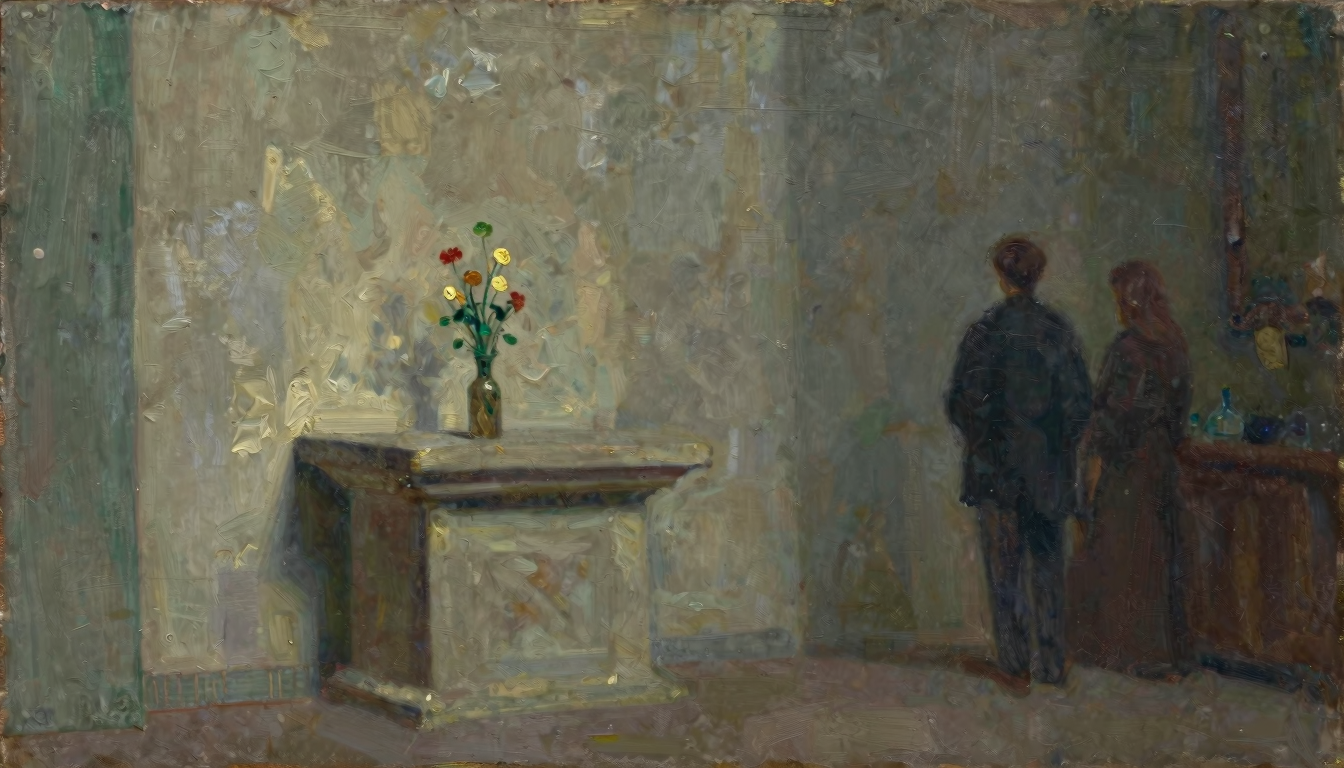
An altar can represent a point of focus: something is set apart from ordinary activity and treated as significant. In a dream, that may concern faith, remembrance, a relationship, or a value you want to express through action.
The favorable possibility is deliberate dedication. You know what matters and choose a fitting way to support it. The difficult possibility is an undefined demand: you feel expected to give more without knowing what would be enough or what the offering actually accomplishes.
Notice whether the altar invited attention or required compliance. A quiet place you approached willingly differs from a ceremony in which you felt unable to question your role. Neither scene reveals what a real religious community or another person intends.
The image need not become a verdict about your sincerity. A dream can make an ordinary question about commitment feel ceremonial without proving that your worth depends on completing the ceremony.
What is being offered
A flower, a personal object, food, or an empty-handed gesture may each suggest a different relationship with dedication. A small fitting offering can emphasize attention rather than scale. Carrying something too heavy may emphasize a cost that has become difficult to manage.
Ask what the object meant to you and whether you wanted to place it there. Its personal role can matter more than a supposed universal rule. The dream does not prescribe a real ritual or tell you that a particular object must be given away.
Purpose and proportion
An offering can be meaningful because it serves a purpose, not because it consumes everything available. If the dream kept asking for another item, consider whether the scene emphasized an expectation without a defined end.
If one simple act completed the encounter, the image may suggest that a commitment can have clear terms. The favorable tendency is devotion that leaves room for the ordinary life it is meant to enrich.
Seeing an altar from a distance
Seeing an altar without approaching may symbolize considering a commitment before participating. You may recognize the importance of a value or ceremony while still deciding what involvement would mean.
If you felt welcome, the distance may suggest space to choose. If you felt excluded, it may suggest uncertainty about permission or belonging. The feeling does not prove that real people reject you or that participation is required.
Notice whether there was a clear path and whether you wanted to take it. Curiosity differs from an obligation to enter. A significant place can deserve respect without becoming the setting for every decision in your life.
If the altar was the only visible object, the scene may emphasize a value that has become central. Consider what was missing around it: people, conversation, or ordinary activity. The dream may ask how dedication relates to the life beyond its focal point.
Approaching, kneeling, or placing an offering
Approaching may symbolize making a value more concrete. Kneeling may suggest reverence, humility, or an inherited way of showing respect. Its meaning depends on whether the posture felt chosen, comfortable, or imposed.
Placing an offering may symbolize expressing intention through a specific act. Notice whether you felt lighter afterward or immediately responsible for another demand. The aftermath helps distinguish a bounded commitment from one whose expectations keep expanding.
If you hesitated, the dream may suggest that you need clearer terms. Hesitation does not establish lack of faith or lack of care. You may want to understand what you are offering and whether it serves the purpose you recognize.
If you withdrew the object, the scene may emphasize reconsidering an intention. It does not require you to abandon a real commitment. Consider whether the dream showed a change in understanding, an unsuitable demand, or uncertainty that remained unresolved.
Dreaming about a church altar
A church altar may bring personal associations with worship, community, ceremony, or a promise witnessed by others. The setting can make dedication feel shared rather than private. Your own history with the place matters.
If the church was familiar, the image may connect to established expectations about faith or participation. If it was unfamiliar, it may emphasize approaching a form of dedication whose terms you do not yet know.
Standing near others can suggest belonging within a shared practice. Standing alone can suggest private reflection or uncertainty about your place. Neither arrangement automatically means acceptance, rejection, blessing, or punishment.
This article does not provide a verified Christian rule assigning a certain event to a church altar dream. A remembered sacred story or ceremony may inform your reflection without making the dream a divine instruction.
If the scene included a familiar person, attend to the interaction rather than assuming that their dream presence communicates their real beliefs. A dream can use known faces to express your own questions about shared commitments.
Cleaning an altar in a dream
Cleaning an altar may symbolize caring for the expression of something you value. Dust, scattered objects, or a crowded surface can suggest that the purpose has become less clear beneath accumulated activity.
If cleaning made space for a simple offering, the image may suggest clarifying what belongs at the center. If you kept cleaning without ever participating, it may suggest that preparation or maintenance has displaced the experience it was meant to support.
Notice whether the work was shared and whether you knew when it was finished. A defined task differs from feeling responsible for keeping every condition perfect before anyone can begin.
Cleaning does not prove that you are spiritually impure or that your beliefs need purification. The symbolic question may concern the visible arrangement of attention, not a judgment about your moral or religious standing.
If you removed something, ask whether it had become irrelevant to the altar's purpose. If you carefully kept one object, consider what still deserved attention. The scene may distinguish meaningful care from preserving every accumulated expectation.
Being left at the wedding altar
Being left at the altar may symbolize uncertainty about a commitment expected to be mutual. The distress may come from waiting, being seen by others, or discovering that you do not know whether the other person will participate.
This dream does not predict that a partner will abandon you. It may also relate to a shared project, a plan, or a promise outside romance. The wedding form can dramatize the importance of mutual agreement without identifying a literal future event.
Notice whether you had discussed the promise in the dream or assumed it was settled. An explicit agreement that was not fulfilled differs from expecting another person to arrive without knowing their intention. Both can feel painful, but they raise different questions.
If guests watched, the image may emphasize public expectation as well as private disappointment. If you left the ceremony, it may emphasize recovering a choice after the assumed plan changed. Neither action tells you what real decision to make about a relationship.
If a waking concern fits, seek a direct conversation about the specific agreement. The dream's intensity cannot replace evidence about what someone has said or done. A mutual commitment needs clear terms from the people involved.
Empty, crowded, or damaged altars
An empty altar may symbolize space to choose what deserves dedication. It can also suggest uncertainty about what belongs at the center. Your feeling and action help distinguish openness from absence.
A crowded altar may suggest many expectations competing for special attention. The difficult possibility is treating every value or request as equally central until no offering has a clear purpose. Choosing a focus need not make everything else worthless.
A damaged altar may suggest that a familiar way of expressing commitment has changed. It does not prove that faith, a relationship, or a valued principle has been destroyed. The form can need revision while the underlying value remains meaningful.
If you moved the altar, the image may emphasize changing the place of dedication within your life. A quieter or more accessible position can suggest adaptation. The dream does not prescribe an actual ritual arrangement or require an immediate change in religious practice.
Four ordinary-life connections
Faith and private reflection
You may value a spiritual practice while feeling that its surrounding expectations have become difficult to distinguish from the practice itself. An altar can symbolize the point where attention is gathered and given a purpose.
Check what the practice means to you and which expectations have actually been agreed. Consider one clear, suitable act of reflection or seek knowledgeable guidance if the question concerns your tradition. The symbolic possibility is dedication with understood terms rather than an indefinite test of sincerity.
Relationships and promises
A shared plan may feel important, but each person may imagine a different level of commitment. A wedding altar can symbolize the wish for a mutual promise whose practical terms remain unclear.
Check what has been said and what is still assumed. Discuss one specific responsibility or next step with the other person. The favorable movement is a commitment both can describe, rather than using the dream to infer hidden loyalty or rejection.
Community work and service
You may offer time to a group because its purpose matters to you, then begin treating every additional request as part of that offering. An altar can symbolize the relationship between service and the value it is meant to support.
Check the task you chose and the endpoint attached to it. Agree on one defined responsibility with the people involved. A meaningful contribution can be bounded; its sincerity does not depend on accepting every possible demand.
Personal values and attention
Several important interests may compete for the same time. A crowded altar can symbolize difficulty deciding which value receives a particular act now, even when all deserve respect.
Check what the current decision actually concerns. Choose one fitting expression for one value and allow the others a different time or form. The symbolic question is how dedication becomes visible in ordinary conduct, not how to make every part of life equally ceremonial.
A modern example
Peter volunteered to organize flowers for a neighborhood remembrance gathering. The task mattered to him because a former member had helped him feel welcome years earlier. As planning continued, he began adding arrangements, decorations, and extra preparation, imagining that a simpler display would fail to show enough respect.
In a dream, Peter approached an altar carrying one small vase. Before he could place it down, he saw more objects covering the surface and began moving them into new arrangements. The vase remained in his hand. What stayed with him was that his intended offering had become impossible because he kept expanding the preparation around it.
Peter did not treat the dream as a religious instruction or a message from the deceased member. He recognized a question about proportion: what did the gathering actually need from his chosen contribution? He confirmed the plan with the organizer and prepared the original small arrangement, asking another volunteer to help place it.
The gathering was quiet and imperfect. One flower bent during transport, and they adjusted the vase. Peter joined the conversation and shared a memory instead of continuing to redesign the display. The arrangement served the occasion without carrying every possible expression of respect.
The altar image helped him distinguish a fitting offering from an unlimited test of devotion. His contribution became more usable when its purpose and scale were clear.
Spiritual meaning and favorable tendencies
The spiritual meaning of an altar in a dream may concern what you set apart, honor, or choose to support. It can invite reflection on dedication, gratitude, remembrance, and the cost of making a value concrete.
A favorable tendency may emphasize a voluntary offering that serves a clear purpose. A difficult tendency may emphasize pressure to give without defined terms, or maintenance that prevents actual participation. These are conditional readings based on the scene's action.
The image does not establish a divine command, guarantee a blessing, or demand sacrifice. If it carries religious significance for you, consider that significance within your own practice and knowledgeable guidance while keeping the dream separate from certain evidence about the future.
Reading your own altar dream
Recall the setting, your role, and what you intended to offer. Distinguish observing from participating, cleaning from endless preparation, and a chosen commitment from an assumed demand. Notice whether the scene reached its purpose or kept adding conditions.
If a waking connection fits, identify the value, the specific contribution, and the people whose agreement matters. One clarified promise or fitting act can be more useful than a sweeping change. If none fits, the altar may remain a striking place of attention without becoming an instruction.
Frequently asked questions
What does dreaming about an altar mean?
It may symbolize a point of dedication commitment or offering. Notice whether participation was chosen and what the contribution served.
What does seeing an altar from a distance mean?
It may emphasize considering a commitment before participating. Respect or curiosity does not require immediate entry or prove exclusion.
What does a church altar mean in a dream?
It may add associations with faith community and shared ceremony. This article supplies no verified Christian rule assigning a certain outcome to the personal dream.
What does cleaning an altar symbolize?
It may suggest care for a valued purpose. Cleaning that allows participation differs from endless preparation that displaces the intended act.
What does being left at the altar mean?
It may emphasize uncertainty about a mutual promise or public expectation. It does not predict abandonment; check the actual agreement independently.
What does placing an offering mean?
It may suggest making a value concrete through a chosen act. A fitting bounded contribution differs from an undefined demand to keep giving.
What do empty crowded or damaged altars mean?
They may emphasize choosing a focus competing expectations or a changed form of dedication. None proves that an underlying value has been destroyed.
Is an altar dream a divine command or good omen?
This article offers conditional spiritual reflection. A voluntary fitting act may be favorable and an unlimited imposed demand difficult, but neither establishes prophecy blessing or required sacrifice.